
Israeli anger grows over Trump’s interim Iran agreement
Israeli media, ministers and polling show sharp backlash against Trump after a US-Iran memorandum aimed at ending the war with Iran.
By Daniel Okafor · Business Editor
4 min read
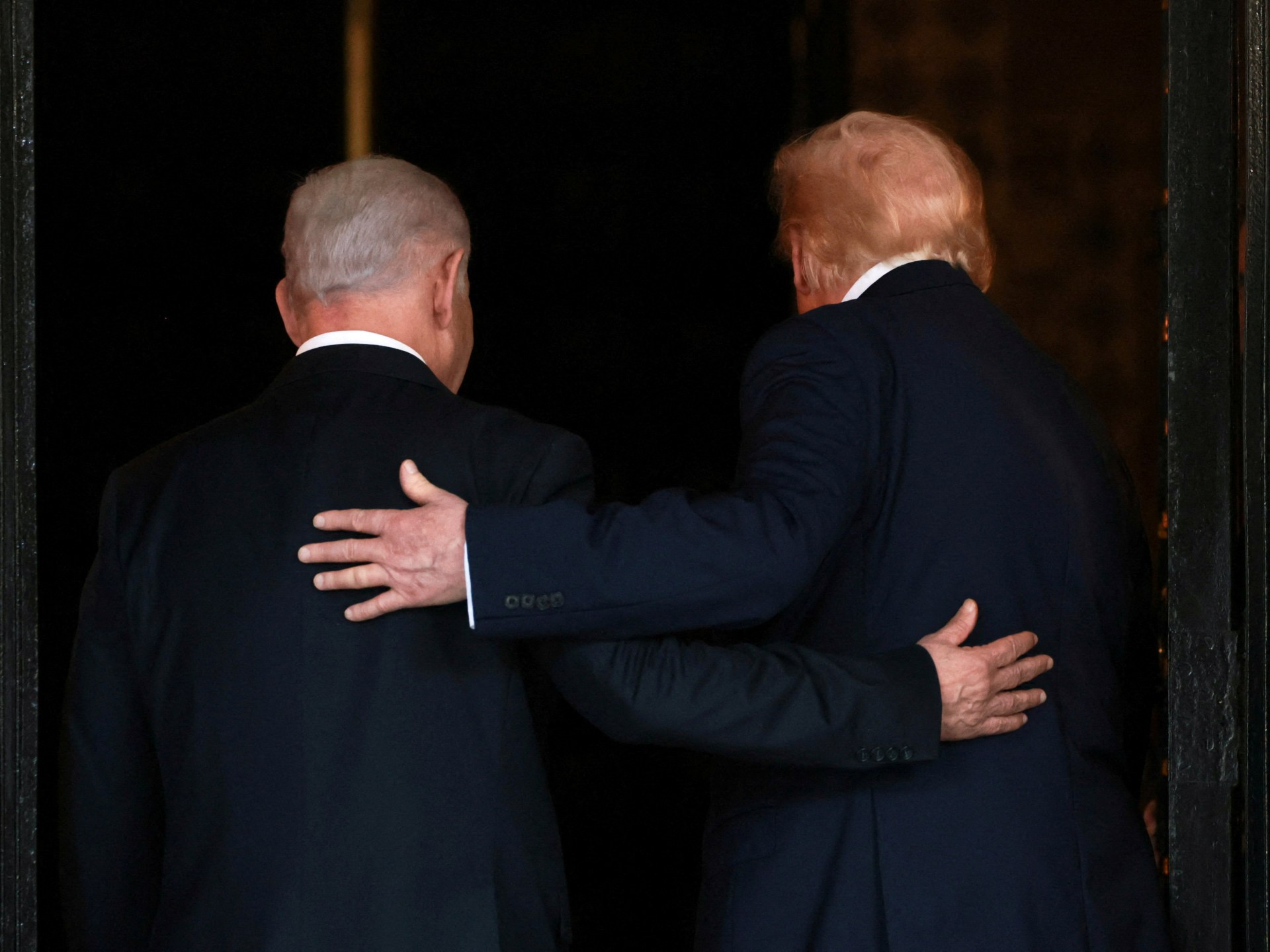
Israeli criticism of President Donald Trump intensified this week after his administration reached an interim memorandum with Iran that Al Jazeera reported sets broad terms for ending the joint US-Israeli war. The backlash matters because it has exposed rare public strain between Israel and its most important ally, even as analysts cited by Al Jazeera said the strategic relationship remains intact.
Al Jazeera reported that major Israeli outlets carried angry responses to the agreement, including an Israel Hayom opinion piece that accused Trump of signing what it called a “surrender agreement” with Iran. Israel Hayom is owned by Miriam Adelson, a major Trump donor, according to Al Jazeera.
The Israel Hayom column, written as a letter to Trump, said he had missed a chance to be remembered as an exceptional president and accused him of humiliating the United States, according to Al Jazeera. The piece also compared the memorandum unfavorably with the 2015 Iran nuclear agreement, which Trump abandoned during his first term.
Poll shows loss of trust
Hagai Ram, a professor at Ben Gurion University and author of “Iranophobia: The Logic of an Israeli Obsession,” told Al Jazeera that Trump had recently been among the most popular figures in Israel but had now been cast as a villain. Ram attributed the reaction to fear of Iran and a sense that Washington had betrayed Israel.
The memorandum was negotiated without Israel’s apparent participation, according to Al Jazeera. Under its terms, fighting would stop immediately, including Israel’s offensive in Lebanon that began in early March, and the parties would respect Lebanon’s territorial integrity and sovereignty.
Al Jazeera reported that Israel currently occupies about one-fifth of Lebanon. It also reported that many Israelis view Iran as their country’s central regional enemy, while Israeli leaders, including Prime Minister Benjamin Netanyahu, have long claimed Iran is close to obtaining a nuclear weapon and seeks Israel’s destruction with allied groups such as Hezbollah.
A Channel 12 poll published Thursday found that 11 percent of Israelis believed their country had won the war launched by the US and Israel against Iran in late February, according to Al Jazeera. The same survey found that 71 percent of respondents no longer trusted the Trump administration to protect Israeli interests in negotiations with Iran under the memorandum.
Cabinet figures attack the deal
Netanyahu has not publicly addressed the memorandum’s terms, Al Jazeera reported. Observers cited by the network viewed continued Israeli strikes in Lebanon and Israeli allegations of Hezbollah violations as signs that Netanyahu does not consider Israel bound by the agreement.
Two hard-right ministers, Finance Minister Bezalel Smotrich and National Security Minister Itamar Ben-Gvir, publicly rejected the deal, according to Al Jazeera. Ben-Gvir wrote on X that Israel had to show that Israeli lives and security were not expendable and said all of Lebanon should “burn”; Al Jazeera reported that the post was later restricted for violating X rules.
US officials have pushed back. At the G7 on Wednesday, Trump told reporters that Netanyahu had become “a little excited” in attacks on Lebanon, according to Al Jazeera.
Vice President JD Vance, asked Thursday about reports that Netanyahu was angry over the memorandum, said Trump was the only head of state sympathetic to Israel “at this moment in time,” Al Jazeera reported. Vance added that Israeli officials should be cautious about attacking their only powerful ally.
Political analyst Ori Goldberg told Al Jazeera the dispute amounted to a rift rather than a minor disagreement. Goldberg said US criticism reflected what he described as unavoidable facts, arguing that Israel had drawn Washington into war and that Netanyahu had manipulated Trump.
Al Jazeera reported Saturday that Iran again closed the Strait of Hormuz after continued Israeli attacks on Lebanon. Former Israeli ambassador and New York consul general Alon Pinkas told Al Jazeera that Trump loyalists and Netanyahu supporters were both searching for someone to blame for a war and agreement that had left each side politically exposed.
This story draws on original reporting from Al Jazeera.