
Cameroon pushes birth registration to keep children in school
Local councils, UNICEF and the government are expanding birth registration as millions of pupils lack certificates needed for exams and services.
By Daniel Okafor · Business Editor
3 min read
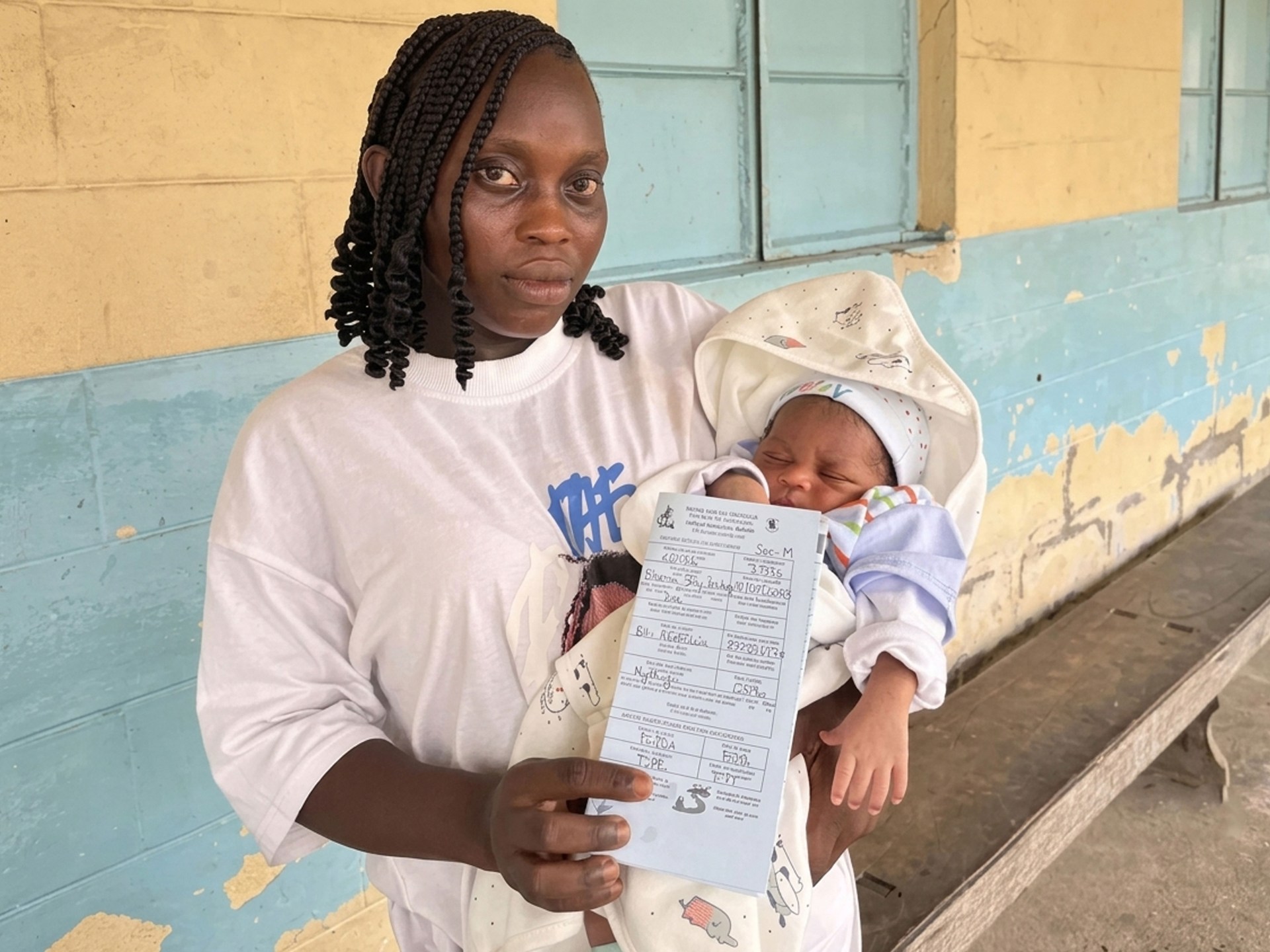
Cameroon is trying to close a birth registration gap that can block children from school, exams and public services. Al Jazeera reported that local councils, with support from UNICEF and the Cameroonian government, are expanding civil registration through health facilities, community outreach and digital records.
Under Cameroon’s civil status rules, Al Jazeera reported, parents can register a birth free of charge within 90 days. After that, the process becomes harder, and after one year families must use court procedures that officials and parents describe as expensive and slow.
The scale of the problem is large. Cameroon’s Ministry of Basic Education says more than 1.5 million children, about 30% of primary pupils, are enrolled without birth certificates, according to Al Jazeera.
School access depends on papers
In Garoua 2, a municipality in northern Cameroon, mother Aissatou Bouba told Al Jazeera that one of her older children was previously sent home from school because the family lacked official documents. In 2024, she was able to register her youngest child immediately after delivery at a local health facility.
Anna Enanga epse Itoe, head of the civil status bureau at the Tiko Council in the southwest, told Al Jazeera that children without birth certificates can be shut out of secondary school, barred from public examinations and unable to obtain national identity cards. Those cards are needed to use many services, she said.
UNICEF estimates that health facilities recorded 560,000 births in Cameroon in 2023, but only 43.77% were officially registered, Al Jazeera reported. Alexis Mayang, a UNICEF child protection specialist in Yaounde, told the outlet that undocumented children are harder for authorities to identify, follow and protect.
Mayang also told Al Jazeera that children without papers face added risks in conflict-affected areas, including exploitation and recruitment by armed groups. He said the lack of documents can also make it easier for children to be moved across borders with fewer checks.
Mayors enlisted in registration drive
The current push gained speed after the first Mayors’ Forum on Birth Registration in April 2024, Al Jazeera reported. Local authorities signed a charter pledging to improve civil registration in their areas.
UNICEF, the government and local partners then backed the “My Name” campaign to find and register undocumented children across Cameroon’s 360 councils and 14 cities. Officials involved in the effort say more than 17,000 children have been registered since the campaign began, according to Al Jazeera.
Municipalities have been judged on measures such as placing civil registration services in health facilities and finding out-of-school children without documents. Garoua 2 was named Cameroon’s Citizenship Champion after expanding registration access, with Mayor Oumarou Sanda receiving the award, Al Jazeera reported.
Different councils have used different methods. In Tiko, officials worked with traditional leaders to gather birth declarations from rural communities and send records to council offices, according to Enanga. In Garoua 2, officials moved from handwritten registers to digital civil status systems, allowing certificates to be produced within minutes, Al Jazeera reported.
Community barriers remain
Officials told Al Jazeera that many parents still treat registration as urgent only after a child is denied schooling or blocked from exams. Schools often become the place where missing documents first cause a problem.
Child protection workers also told Al Jazeera that some rural communities still hold beliefs that girls do not need formal documents or schooling. They said such practices can leave children undocumented and increase the risk of early or forced marriage.
Traditional and religious leaders are being drawn into awareness campaigns to encourage earlier birth registration, officials and community workers told Al Jazeera. UNICEF estimates that 166 million children under age five worldwide are not registered, and Cameroonian officials say administrative changes must be matched by a shift in community attitudes toward legal identity.
This story draws on original reporting from Al Jazeera.