
Young directors put Hollywood’s AI split on display
Internet-born filmmakers are scoring box-office wins as surveys and public reactions show Gen Z’s skepticism toward generative AI.
By Daniel Okafor · Business Editor
3 min read
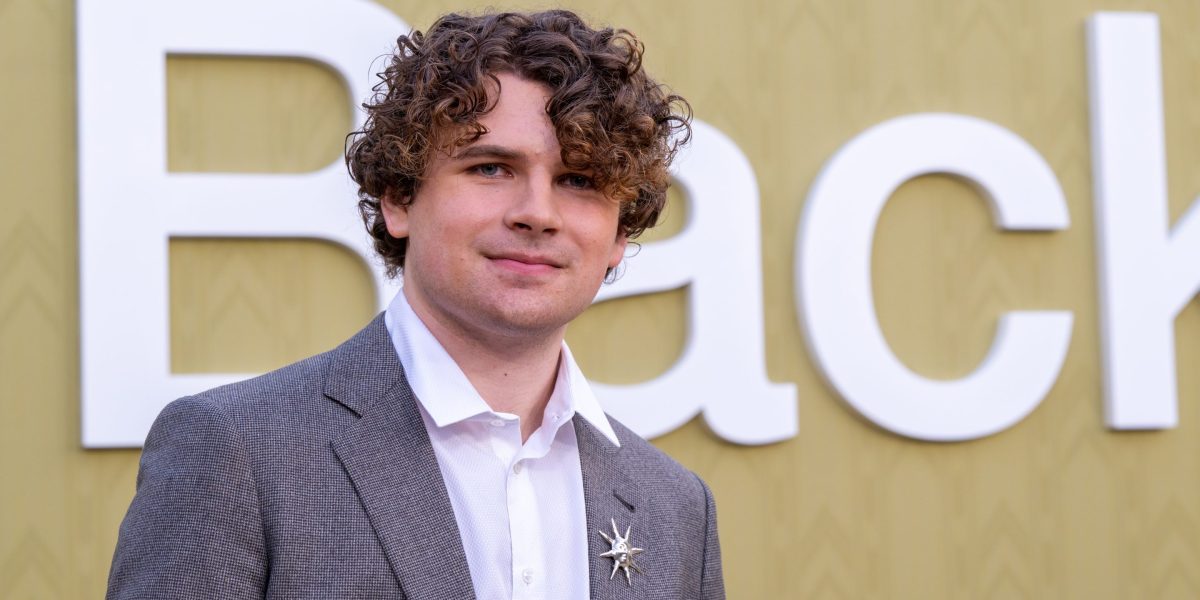
Young filmmakers who built audiences online are now delivering major theatrical results while voicing doubts about generative AI. Their rise has sharpened a conflict in Hollywood and the creator economy over whether AI tools expand creative access or reduce artists to inputs in automated systems.
Fortune commentator Reid Litman, a consulting director at Ogilvy, pointed to recent commencement ceremonies at the University of Central Florida and the University of Arizona, where graduates booed speakers who mentioned AI. Litman wrote that the reaction came as young workers face a job market being reshaped by the same technology leaders asking them to trust AI’s rollout.
Gallup figures cited by Litman show Gen Z leads global use of generative AI tools but trusts AI less than any other U.S. age group, 14 points below millennials. Gallup also found that 43% of 18-to-29-year-olds said it was a good time to find a job, down from 75% in 2022, while a separate April survey found Gen Z excitement about AI fell 14% in one year to 22%.
Online creators move into theaters
Curry Barker, 26, directed Obsession for $750,000 after years making YouTube sketch comedy and an earlier found-footage horror film that cost $800 and was released free, according to Fortune, citing The Associated Press. Obsession has passed $300 million worldwide and became Focus Features’ highest-grossing release, Fortune reported.
Markiplier self-financed and self-distributed Iron Lung to more than 3,000 screens, with little traditional marketing spending, according to Fortune, citing IndieWire. The film grossed more than $40 million in its first month on a budget of about $4 million.
Kane Parsons, 20, turned the internet horror legend Backrooms into an A24 film, according to Fortune. The Hollywood Reporter reported that Parsons became the youngest director to open a film at No. 1 in North America, and Fortune said the movie has grossed more than $270 million worldwide.
Barker told Fortune that Hollywood should give filmmakers room to control their work. “They let me do my own thing. Let a filmmaker take the reins and have creative freedom and not try to stick your claws into it,” he said.
TikTok adds automated creator tools
Litman also cited TikTok’s AI Cast, a feature that lets creators make digital versions of themselves for videos without filming or editing. Fortune described it as part of ByteDance’s wider system, alongside Symphony for brand video automation, Dreamina and its Seedance 2.0 model for prompt-based video, and Creator AI Search for matching advertisers with creator profiles.
Under that model, Litman wrote, creators who opt in can turn their face and voice into licensed material for brand campaigns brokered through the platform. He argued that the appeal of faster production sits beside a concern among young creators over whether platforms are valuing the person’s judgment and craft or only their likeness.
Hollywood institutions embrace AI investment
Parsons, who told Variety he learned visual effects on Blender using “a fairly crummy laptop,” has rejected generative AI as a creative tool. “If I could snap my fingers and make generative AI disappear forever, I probably would,” he told the magazine, adding that he wants to examine AI imagery in art rather than use AI to make art.
Other parts of the industry are investing in the technology. Fortune said A24 announced an investment from Google’s DeepMind, which drew fan backlash and prompted a statement from the studio; Martin Scorsese joined AI company Black Forest Labs as an adviser; and Netflix acquired Ben Affleck’s AI filmmaking company InterPositive for about $600 million, with NPR reporting that Affleck framed its tools as a way to handle logistical burdens in production.
Litman wrote that the split reflects a generation fluent in digital tools but wary of who controls them. The box-office success of Barker, Markiplier and Parsons has made that debate harder for Hollywood to treat as theoretical.
This story draws on original reporting from Fortune.