
Former Central African Republic leader tried in absentia over alleged abuses
A UN-backed court in Bangui is hearing crimes against humanity charges against Francois Bozize, who is living in exile in Guinea-Bissau.
By Lucas Ferreira · Science & Environment Writer
3 min read
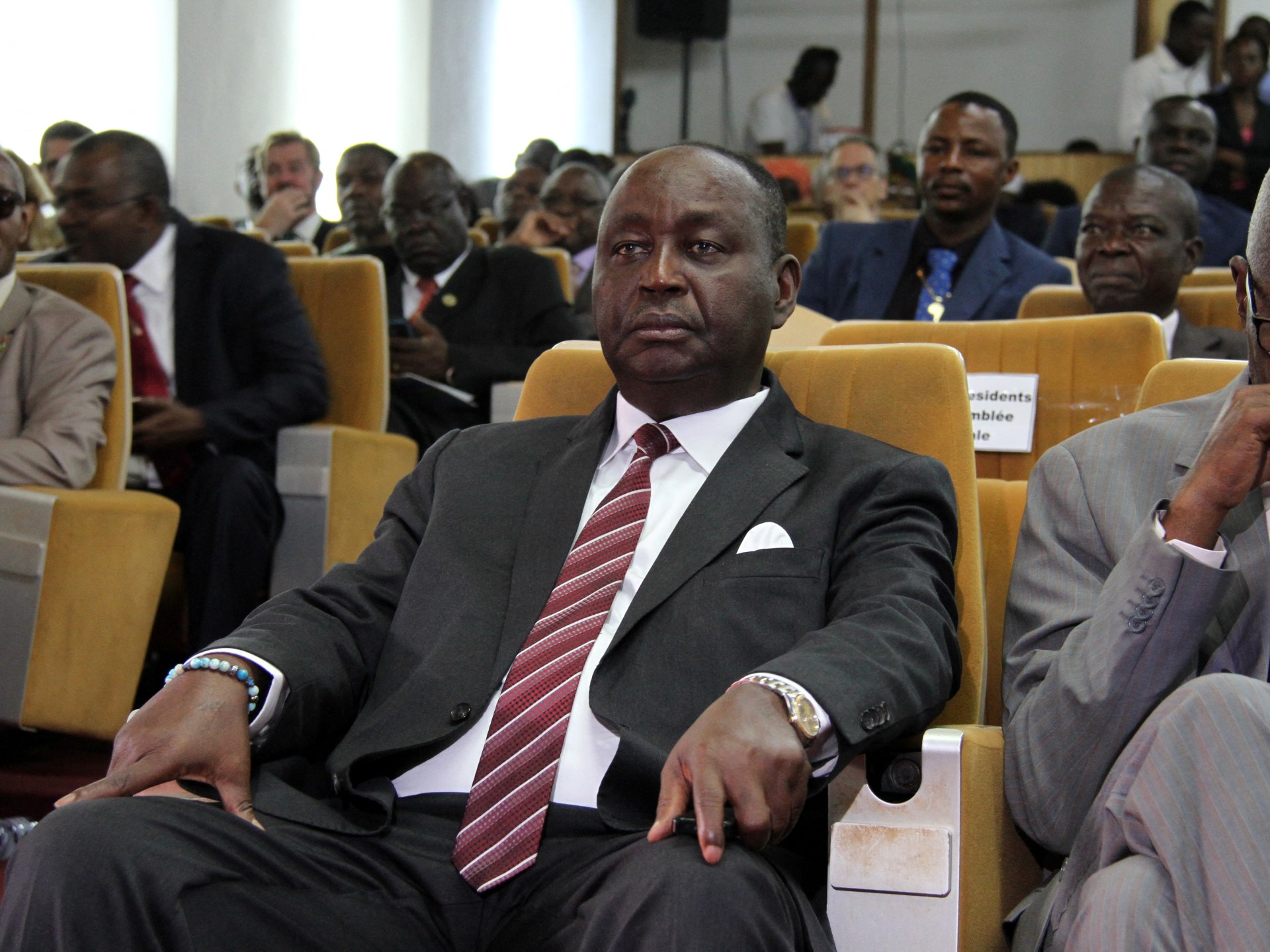
A United Nations-backed court in the Central African Republic has opened a trial in absentia for former President Francois Bozize on crimes against humanity charges, Al Jazeera and AFP reported. The case matters because it targets a former head of state in a country where years of conflict have brought repeated allegations of grave abuses.
Bozize faces allegations including murder, enforced disappearances, torture and rape, according to Al Jazeera and AFP. He is not in court because he has been living in Guinea-Bissau since March 2023.
The proceedings are taking place in Bangui before the Special Criminal Court, a hybrid tribunal made up of Central African and foreign judges. Al Jazeera and AFP reported that three former senior military officers under Bozize — Eugene Barret Ngaikosset, Vianney Semndiro and Firmin Junior Danboy — are in pre-trial detention in the Central African Republic.
Arrest warrant and alleged crimes
The Special Criminal Court issued an international arrest warrant for Bozize in 2024 as part of an investigation into alleged crimes against humanity, Al Jazeera and AFP reported. The inquiry concerns actions attributed to Bozize’s Presidential Guard at a civilian prison and a military training centre in Bossembele, a town in central Central African Republic.
According to Al Jazeera and AFP, the judges said there was serious and consistent evidence that could make Bozize criminally liable as a superior and military leader. The court’s mandate covers war crimes committed in the Central African Republic since 2003.
The country has faced repeated armed conflicts and authoritarian rule since independence from France in 1960, according to Al Jazeera and AFP. Bozize took power in a 2003 coup and was removed from office a decade later by rebels.
Years of conflict after Bozize’s fall
Bozize’s ouster in 2013 by Seleka, a coalition of mostly Muslim rebels, set off civil war in the Central African Republic, Al Jazeera and AFP reported. The country is among the poorest in the world.
After losing power, Bozize created armed groups known as Anti-balaka, which were dominated by Christians and animists, in an attempt to return to power, according to Al Jazeera and AFP. He fled through the Democratic Republic of the Congo to Cameroon.
Bozize returned to the Central African Republic in 2019 and declared plans to run in elections, Al Jazeera and AFP reported. The Constitutional Court blocked his candidacy, finding that he did not meet a “good morality” requirement because of alleged crimes against humanity.
At the end of 2020, Bozize took charge of the Coalition of Patriots for Change, a new rebel alliance that threatened President Faustin-Archange Touadera’s government, according to Al Jazeera and AFP. Russia later sent hundreds of Wagner private military contractors, helping government forces push back the alliance.
Bozize later went into exile, first in Chad and then in Guinea-Bissau, Al Jazeera and AFP reported. Guinea-Bissau does not permit extradition, according to their report.
This story draws on original reporting from Al Jazeera.