
Ben-Gvir Al-Aqsa visit raises tensions before Israel election
Itamar Ben-Gvir joined hundreds of Israelis at Al-Aqsa during Tisha B’Av as Palestinians warned the numbers could reach 5,000.
By Sofia Marchetti · World Affairs Correspondent
3 min read
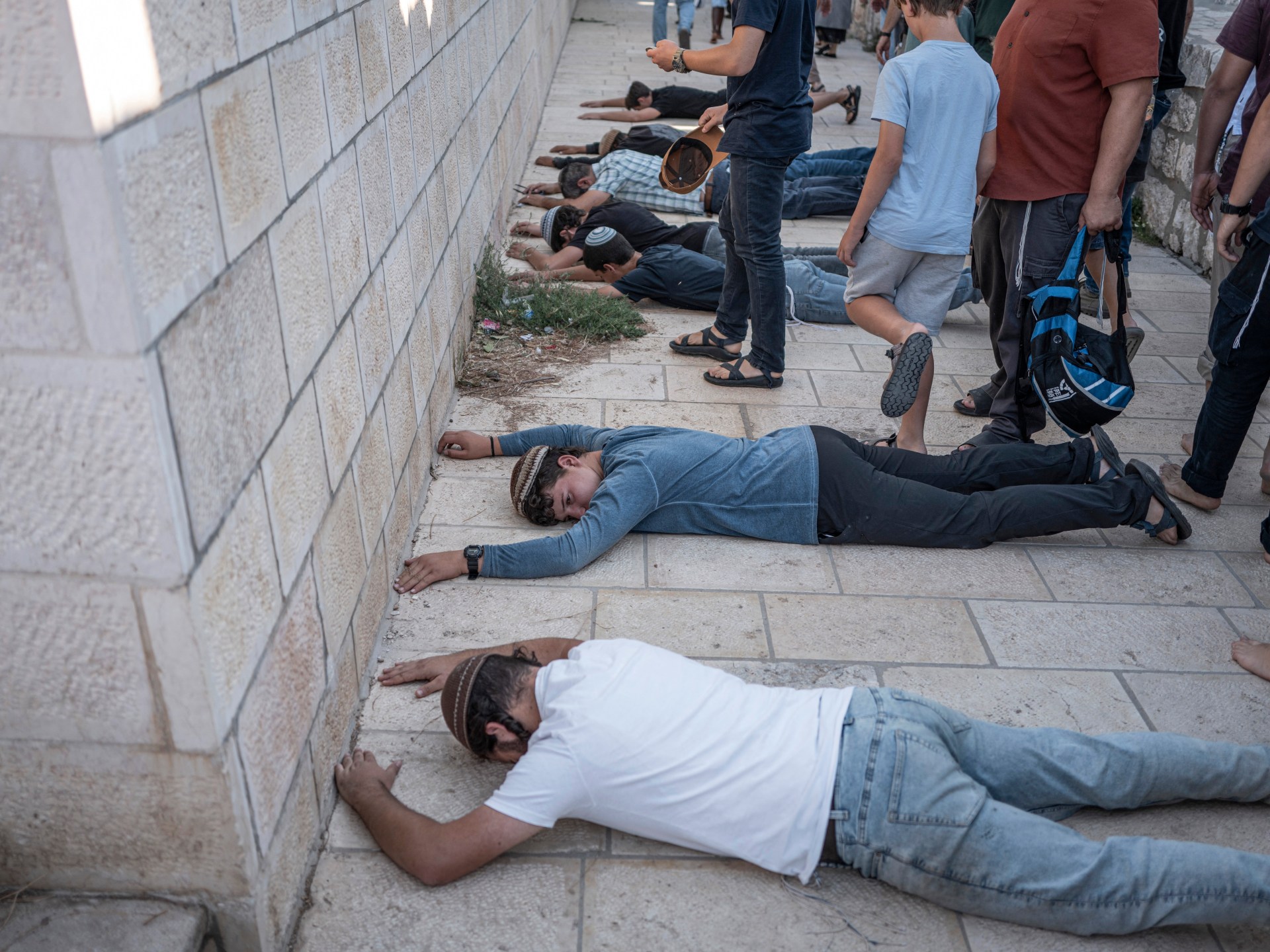
Israeli National Security Minister Itamar Ben-Gvir joined a large Israeli entry into the Al-Aqsa Mosque compound in occupied East Jerusalem on Thursday, raising tensions around the ben gvir al aqsa dispute before Israel’s October election. Al Jazeera reported that hundreds of Israelis entered the site during Tisha B’Av, while the Palestinian Authority said the number could rise to about 5,000 by sunset.
Tisha B’Av is a Jewish day of mourning for the destruction of two ancient temples that Jews believe stood at the site. Al-Aqsa is also one of Islam’s holiest places and a Palestinian national symbol, making changes in access or worship at the compound politically explosive.
Al Jazeera reported that Ben-Gvir entered under heavy police protection. The minister oversees the police, and Israeli activists at the compound said officers allowed them to pray, sing and prostrate themselves there.
According to Al Jazeera, Likud lawmaker Amit Halevi and Rabbi Shimshon Elboim, who often leads Jewish groups to the compound, raised Israeli flags while others sang Israel’s national anthem. Jewish prayer at the site is barred under the longstanding arrangements governing the compound, Al Jazeera reported.
Why did Ben-Gvir visit Al-Aqsa?
Ben-Gvir tied the visit to Tisha B’Av and used the Jewish name for the compound, telling local media there had been “tremendous progress” on what he called the Temple Mount. He said Jews were praying there and “feeling like they are the owners here,” adding that “Israel is in charge.”
Al Jazeera described Ben-Gvir as a far-right minister and provocateur who has previously been convicted of incitement to racism and support for a terrorist organisation. The network reported that he has entered Al-Aqsa at least 16 times since becoming national security minister, despite Palestinian condemnation and warnings from regional governments that such visits could fuel unrest.
Al Jazeera correspondent Nour Odeh reported that Israeli authorities imposed tight controls in Jerusalem’s Old City before the entry, including barring most Palestinians from the compound except elderly worshippers and increasing checks on movement from the occupied West Bank. Local media also reported that police arrested 16 Jewish suspects over alleged damage to a Muslim cemetery in occupied East Jerusalem, along with others accused in violence and attacks on Palestinian passers-by.
How does the election fit in?
Analysts cited by Al Jazeera said the visit fits a broader pattern of far-right mobilisation before Israel’s October parliamentary election. Aida Touma-Sliman of the left-wing Hadash party told Al Jazeera she did not expect serious condemnation from Israel’s opposition, saying criticism would likely focus on Ben-Gvir rather than the voters he appeals to.
Ahron Bregman, an Israeli security analyst and senior teaching fellow at King’s College London, told Al Jazeera that settler groups had gained influence in government, media, the military and the Shin Bet domestic intelligence agency. He said they believe they have enough backing to change conditions at Al-Aqsa and in the occupied West Bank.
Al Jazeera reported that Ben-Gvir and Finance Minister Bezalel Smotrich recently led thousands of settlers and activists toward the Gaza perimeter to call for settlements to be reestablished there, after Israel withdrew settlers from Gaza in 2005. Smotrich has also spoken of strengthening the Settlements Administration inside the Ministry of Defence, according to the network.
Yossi Mekelberg, a senior consulting fellow with Chatham House, told Al Jazeera the Al-Aqsa move was “provocation” aimed at consolidating far-right support. He said he expected more such actions in the West Bank and around Gaza as the election approaches.
This story draws on original reporting from Al Jazeera.