
Beijing criticises UK takeover of British Steel
China said the UK’s nationalisation of British Steel damaged Jingye’s rights and could deter Chinese investment in Britain.
By James Whitfield · Staff Writer
2 min read
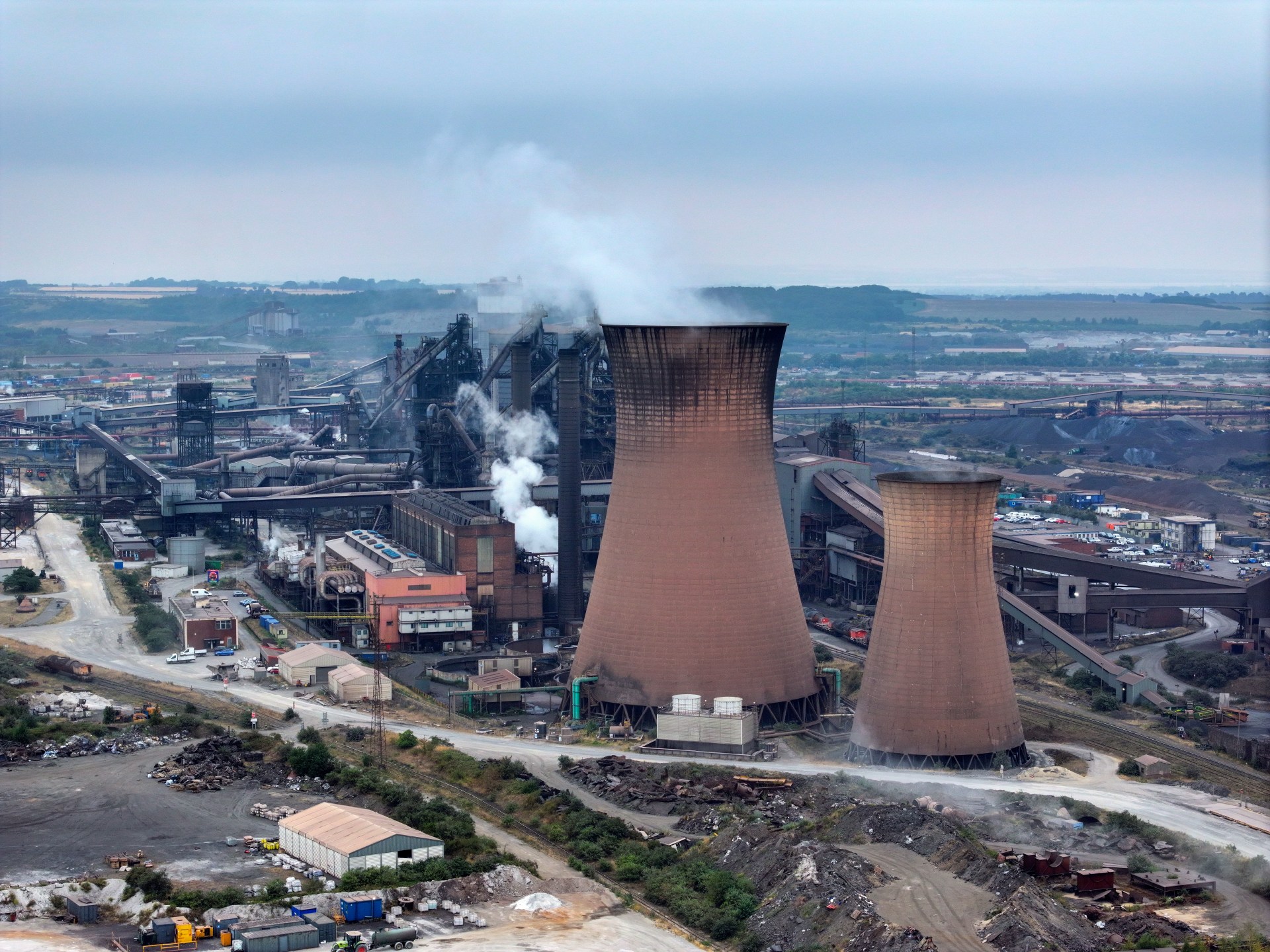
China has rebuked the United Kingdom after the government took British Steel into public ownership, escalating a dispute over the future of the country’s last primary steelmaking operation. China’s Ministry of Commerce said on Friday that the move harmed the interests of Jingye, the Chinese group that had owned the company.
The UK government nationalised British Steel on Thursday, saying the action was needed to protect national interests. Officials said they would appoint an independent valuer to decide whether Jingye should receive any compensation.
Beijing says investor confidence has been hit
China’s Ministry of Commerce said the takeover had “seriously damaged” Jingye’s legitimate rights and interests. The ministry also said the action had “severely undermined” confidence among Chinese companies considering investment in the UK.
The ministry accused Britain of forcibly taking over the company and said the UK had disregarded Jingye’s contribution to the British economy and society. It urged the UK to meet its obligations under the China-UK Investment Protection Agreement and said Beijing would help Chinese companies defend their rights.
British Steel’s main site is the Scunthorpe steelworks in England. According to news agencies, the company is the UK’s only source of primary steelmaking and supports about 2,700 jobs at Scunthorpe and in the wider supply chain.
A takeover after months of government control
Jingye bought British Steel in 2020 for 70 million pounds, or about $94m, according to news agencies. The company is among China’s 100 largest firms, news agencies reported.
By 2025, Jingye said British Steel was losing 700,000 pounds, or about $942,000, each day. In March 2025, the company held a consultation that concluded the furnaces were not financially sustainable, according to news agencies.
The dispute sharpened the following month after Jingye cancelled orders for a key material used in steelmaking, according to news agencies. That decision raised concern in Britain that the company could shut the blast furnaces.
The UK government then took operational control of British Steel from Jingye in April 2025 to prevent a shutdown, according to news agencies. Jingye remained the owner at that stage, but it no longer controlled day-to-day operations.
Thursday’s decision completed the transfer of ownership to the UK government. Beijing’s response signals that the nationalisation could weigh on wider economic ties between the two countries, particularly over how Chinese-owned assets in Britain are treated.
This story draws on original reporting from Al Jazeera.