
Bank of Japan lifts key rate to 1% as oil costs feed inflation fears
The central bank raised borrowing costs to their highest level since 1995, citing risks from higher oil prices tied to the US-Israel war on Iran.
By Sofia Marchetti · World Affairs Correspondent
3 min read
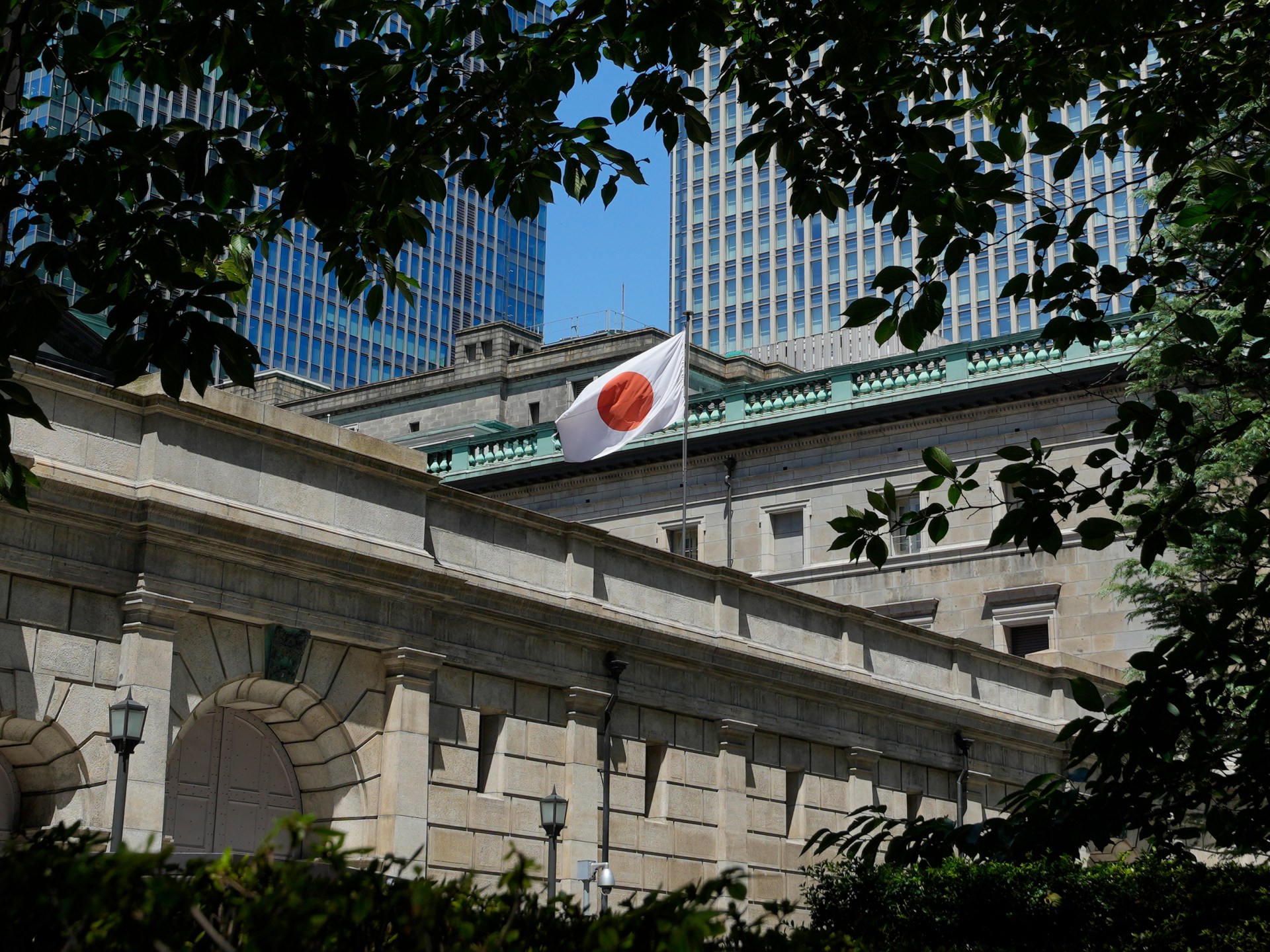
The Bank of Japan raised its benchmark interest rate to 1% on Tuesday, taking borrowing costs to their highest level since 1995 as officials warned that energy costs could push inflation above target. The decision marks another step away from the ultra-low rates that shaped Japan’s economy for decades.
The central bank’s policy board approved the quarter-point increase by a 7-1 vote, according to Al Jazeera. The move had been widely expected and extends a policy shift that began in 2024, when the BOJ ended its negative interest rate of minus 0.1% with its first increase in 17 years.
In a statement, the BOJ said Japan’s inflation rate has been broadly in line with its goal, but higher oil prices are increasingly showing up in business-to-business transactions. The bank said that could spread price increases across many goods and services.
The bank also pointed to rising medium- and long-term inflation expectations. It warned that underlying consumer inflation could move above its 2% price stability target if those pressures build.
Oil exposure drives the concern
The rate decision came as Japan faces higher fuel-price risks from the war involving the United States and Israel against Iran. Before the conflict began, Japan bought about 95% of its crude oil from the Middle East, leaving the world’s fourth-largest economy exposed to disruptions and price spikes, Al Jazeera reported.
Prime Minister Sanae Takaichi’s government has tried to limit the impact on households and businesses. Measures cited by Al Jazeera include releasing oil from Japan’s strategic reserves and subsidising household gas and electricity bills.
Those steps have helped keep measured consumer inflation lower. Japan’s core consumer price index, which excludes fresh food, rose 1.4% in April from a year earlier, and the BOJ attributed that in part to government efforts to reduce the burden of higher energy costs on households.
Shift from decades of weak growth
Japan’s central bank spent years using extremely low borrowing costs to counter weak growth and deflation. The long downturn followed the collapse of an asset bubble in the early 1990s, a period often described as Japan’s “lost decades.”
Recent data have offered signs of improvement. Japan’s gross domestic product expanded at an annualised 2.1% rate in the first quarter of this year, the strongest growth in six quarters, according to Al Jazeera.
Min Joo Kang, senior economist for South Korea and Japan at ING, told Al Jazeera that the rate increase reflected a positive change in Japan’s economy and suggested progress toward sustained growth and price stability.
Kang said the BOJ now views its 2% inflation target as within reach on a sustainable basis, giving policymakers more confidence to continue gradually normalising monetary policy.
This story draws on original reporting from Al Jazeera.