
Badar Khan Suri release upheld by US appeals court
A Fourth Circuit panel rejected an effort to return the Georgetown scholar to ICE custody while his deportation case proceeds.
By Sofia Marchetti · World Affairs Correspondent
3 min read
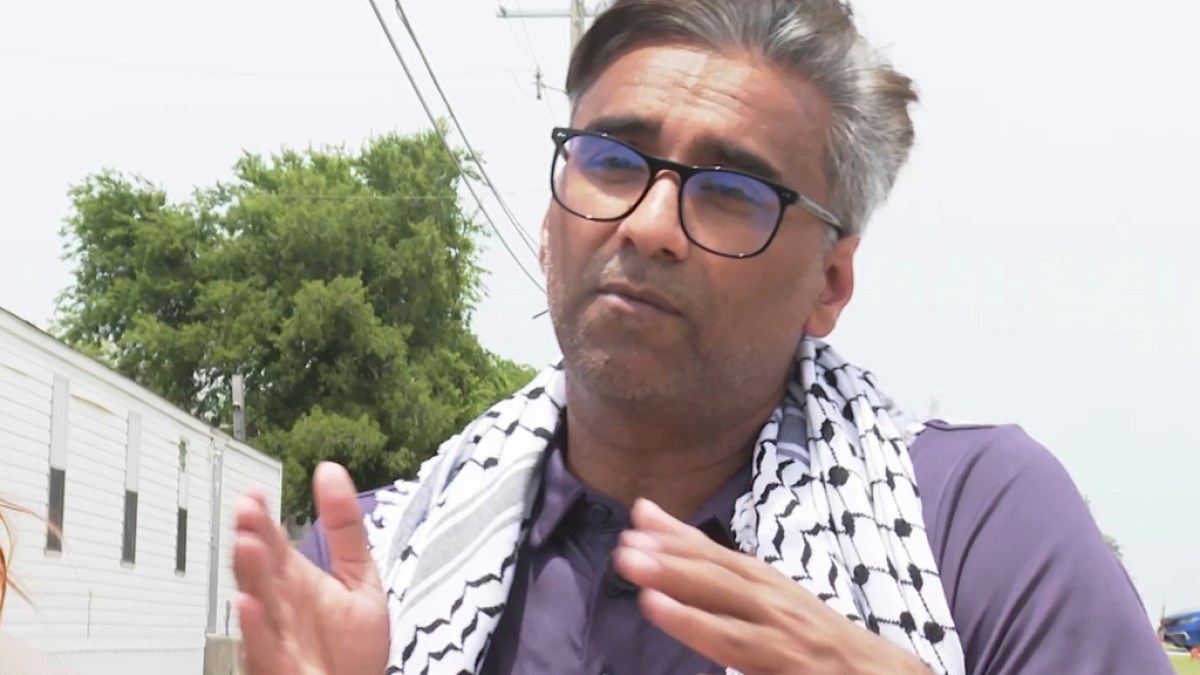
A US appeals court has upheld the Badar Khan Suri release order, rejecting immigration authorities’ attempt to put the Georgetown University scholar back in detention while he fights deportation. The ruling keeps Khan Suri free and deepens a split among federal appeals courts over how cases involving pro-Palestinian campus activists should proceed.
In a 2-1 decision, the US Court of Appeals for the Fourth Circuit, based in Virginia, said federal immigration law did not prevent a lower-court judge from ordering Khan Suri’s release. The court also refused the Trump administration’s request to transfer the case from Virginia to Texas.
Khan Suri, an Indian citizen, was arrested in March 2025 during President Donald Trump’s effort to detain and deport foreign nationals involved in pro-Palestinian activism on US college campuses, according to Al Jazeera and Reuters. A district court judge ordered him released from immigration custody in May 2025.
Why is Badar Khan Suri's release still in court?
The dispute centers on whether Khan Suri can challenge his detention in federal court while removal proceedings are pending in the immigration court system. The Fourth Circuit sided with Khan Suri’s argument that his detention raised constitutional questions involving due process and free speech.
“If a noncitizen is challenging their detention pending removal, then waiting for their removal proceedings does them no good. They have already been detained, allegedly in violation of the Constitution,” the appeals court wrote in its ruling.
The immigration court system is run by the Justice Department and is separate from the federal judiciary, which operates independently of the executive branch. That divide has become central in cases where detained activists ask federal judges to intervene before immigration proceedings end.
The American Civil Liberties Union, which is helping represent Khan Suri, welcomed the decision. Eden Heilman, legal director of the ACLU of Virginia, said the First Amendment protects people “regardless of citizenship” and said the group would keep fighting for Khan Suri’s constitutional rights.
Heilman also accused Immigration and Customs Enforcement of taking Khan Suri from his Virginia home and moving him through five ICE facilities in three states in what she called an effort to find a court more receptive to his detention.
How does this compare with other pro-Palestinian activist cases?
The Fourth Circuit ruling contrasts with two recent decisions from other federal appeals courts that favored the Trump administration. In one case, a three-judge panel of the Second Circuit ruled that a lower-court judge should not have ordered the release of Columbia University student Mohsen Mahdawi because the matter belonged in immigration court.
In another case, an appeals court found that the district judge who freed Palestinian rights advocate Mahmoud Khalil lacked authority to release him. That court allowed Khalil to remain free while he asks the Supreme Court to review the decision.
The Trump administration has relied on a rarely used provision of immigration law that lets the secretary of state seek removal of people deemed to create “adverse foreign policy consequences” for the United States, according to Al Jazeera and Reuters.
The differing appeals court rulings leave a question that could reach the Supreme Court: how much power federal judges have to order the release of noncitizens who say immigration detention violates their constitutional rights. The Supreme Court has a 6-3 conservative majority, including three justices appointed by Trump.
This story draws on original reporting from Al Jazeera.