
Australia agrees to supply uranium to India for nuclear power
The deal, announced during Narendra Modi’s Australia visit, permits long-term uranium exports under international safeguards for peaceful use.
By Daniel Okafor · Business Editor
2 min read
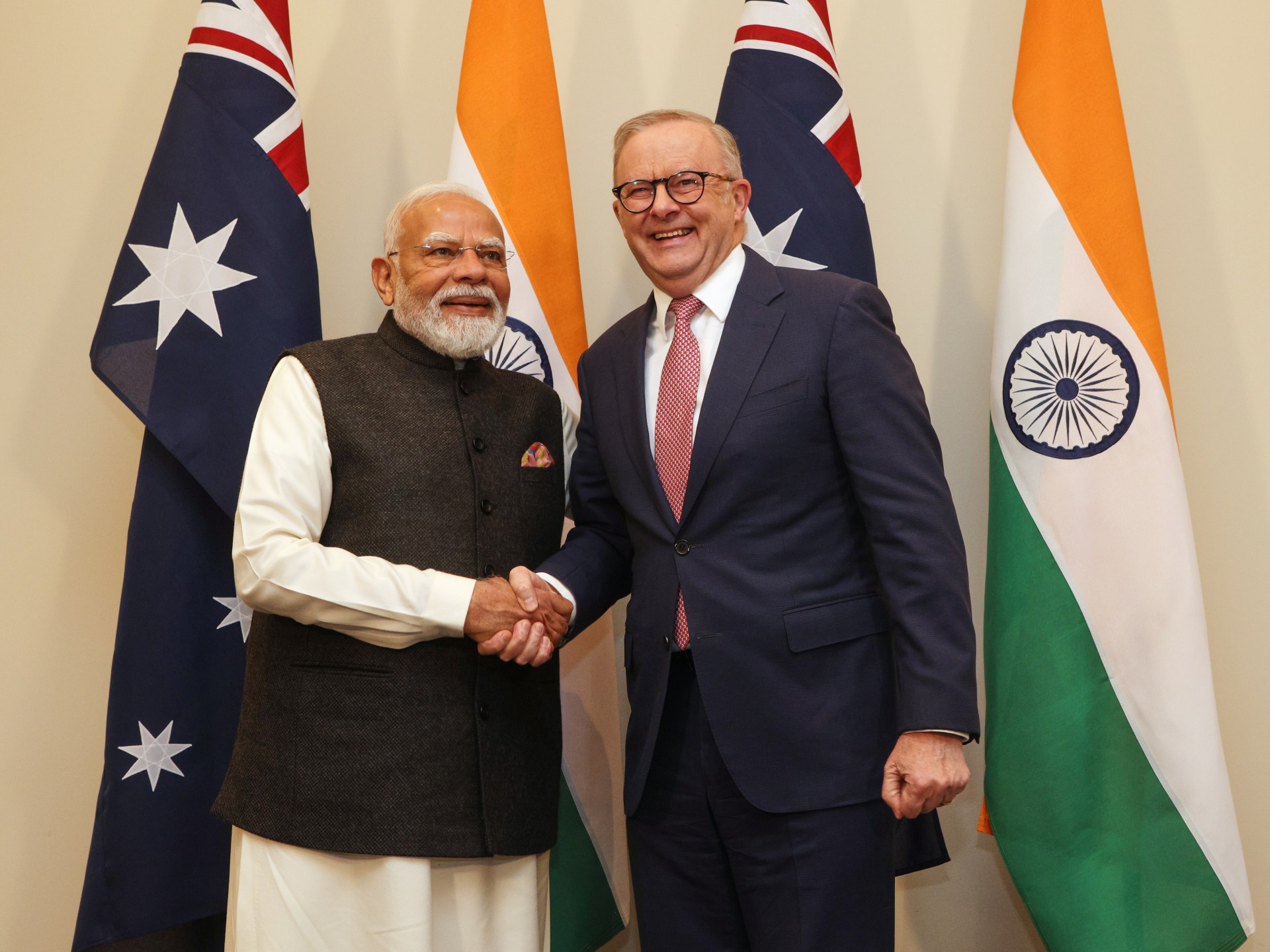
Australia and India have reached an agreement allowing Australian uranium to be exported to India for its nuclear energy sector. The deal matters for India’s plan to expand nuclear power and for Australia’s push to widen trade ties beyond its biggest partner, China.
Indian Prime Minister Narendra Modi announced the agreement on Thursday after meeting Australian Prime Minister Anthony Albanese in Melbourne. Modi said the pact would clear the way for Australian uranium supplies and add momentum to India’s clean energy goals.
A joint statement from the two governments said the arrangement allows long-term uranium exports for “exclusively peaceful purposes.” The exports would be covered by safeguards set by the International Atomic Energy Agency, the United Nations nuclear watchdog.
Albanese told reporters the arrangement would help India increase the share of power generated from non-fossil-fuel sources. India has been seeking access to Australia’s uranium reserves, which account for about 28 percent of global supply, as it works toward a target of 100 gigawatts of nuclear energy capacity by 2047.
The agreement follows a nuclear cooperation pact the two countries signed in 2014. Australian uranium shipments to India have remained limited since then because of concerns that the material could be used in weapons production.
Defence, minerals and space cooperation
Modi and Albanese also agreed to strengthen defence cooperation and improve supply chains for critical minerals, according to the joint statement. Those steps add to a broader expansion of ties between the two countries.
The governments said they plan to build a temporary space tracking terminal on Australia’s Cocos Keeling Islands in the Indian Ocean. The facility would support Indian space flight projects, according to the joint statement.
Albanese credited Modi’s role in improving the relationship between the countries. He said Modi’s leadership and personal engagement with Australia had been central to the shift.
Trade has also grown in importance. India is Australia’s fifth-largest trading partner, according to Australian government figures. Two-way trade in goods and services reached 54.4 billion Australian dollars, or $37.7 billion, during the 2024-2025 financial year.
Australia has been seeking to diversify trade after years of heavy reliance on China, its top trading partner. India, meanwhile, is trying to expand energy supply while reducing reliance on fossil fuels.
Modi travelled to Australia after visiting Indonesia, where he signed agreements on agriculture and defence. He is scheduled to leave for New Zealand on Friday before returning to India.
This story draws on original reporting from Al Jazeera.