
Australia says El Nino has formed and may rank among strongest since 1950
Australia’s weather agency says Pacific warming points to a strong El Nino, raising risks for rainfall, heat, crops and extreme weather.
By Sofia Marchetti · World Affairs Correspondent
3 min read
Australia’s Bureau of Meteorology says El Nino conditions have developed in the tropical Pacific and could build into one of the strongest events recorded in more than 70 years. The warning matters for food supplies and weather risks because El Nino can shift rainfall and temperature patterns across several continents.
The bureau said Tuesday that Pacific sea surface temperatures have crossed El Nino thresholds and that atmospheric signals also show the pattern is under way. It said forecasts point to a strong to very strong event because of warming in the central tropical Pacific.
According to the bureau, about half of the forecast models suggest the event could reach levels near the highest seen since 1950. The agency said the strengthening is expected in the second half of the year.
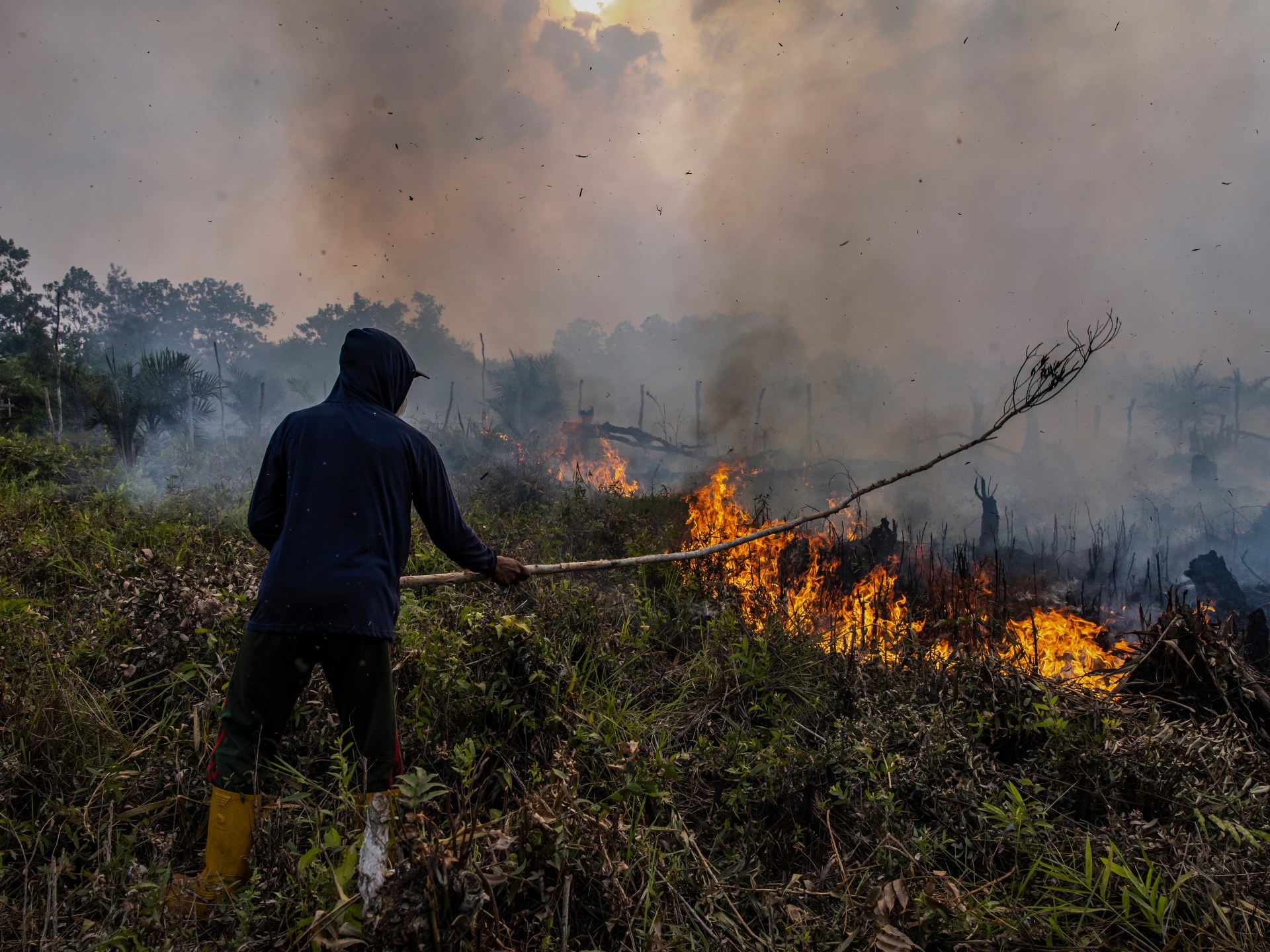
Forecasters expect the pattern to bring heavy rain to the Americas and hotter, drier weather to parts of Asia. Al Jazeera reported that Asia is already facing crop-planting problems, adding to concern over food supplies.
In Australia, the Bureau of Meteorology links El Nino with lower winter and spring rainfall, especially along the country’s east coast. The bureau also says the pattern tends to raise daytime temperatures in southern Australia.
The risks are significant for Australian agriculture. Al Jazeera reported that El Nino can damage farm output in a country that is one of the world’s major exporters of wheat, sugar and beef.
The last El Nino affecting Australia ran from 2023 to 2024, according to Al Jazeera, and coincided with the country’s driest three-month period on record. Al Jazeera also reported that a strong 2015-2016 event brought widespread drought and cut oilseed and grain production.
Scientists say climate change will intensify the effects of this year’s El Nino, according to Al Jazeera. Historians cited by Al Jazeera have also linked earlier El Nino episodes to famines, including deadly crises in 1877 and 1878.
The United Nations’ World Meteorological Organization describes El Nino as a warming of ocean surface temperatures in the central and eastern equatorial Pacific. The WMO says the pattern usually occurs every two to seven years and typically lasts about nine to 12 months.
In a June 2 report, the WMO said there was an 80 percent chance of an El Nino event during June through August 2026. The agency said the likelihood of the pattern lasting until at least November was near or above 90 percent.
The WMO said El Nino was expected to affect global temperature and rainfall patterns and raise the risk of extreme weather. UN Secretary-General Antonio Guterres, responding to the WMO report, said the world should treat the forecast as an urgent climate warning.
Guterres said the response should include cutting dependence on fossil fuels, speeding the shift to renewable energy, protecting vulnerable people and expanding early warning systems. His comments echoed the WMO’s warning that El Nino’s impacts can extend well beyond the Pacific.
This story draws on original reporting from Al Jazeera.