
Amnesty seeks war crimes inquiry into Israeli strikes in Lebanon
Amnesty International said three Israeli attacks in southern Lebanon killed 24 civilians in March, including 12 children, and should be investigated as war crimes.
By Sofia Marchetti · World Affairs Correspondent
3 min read
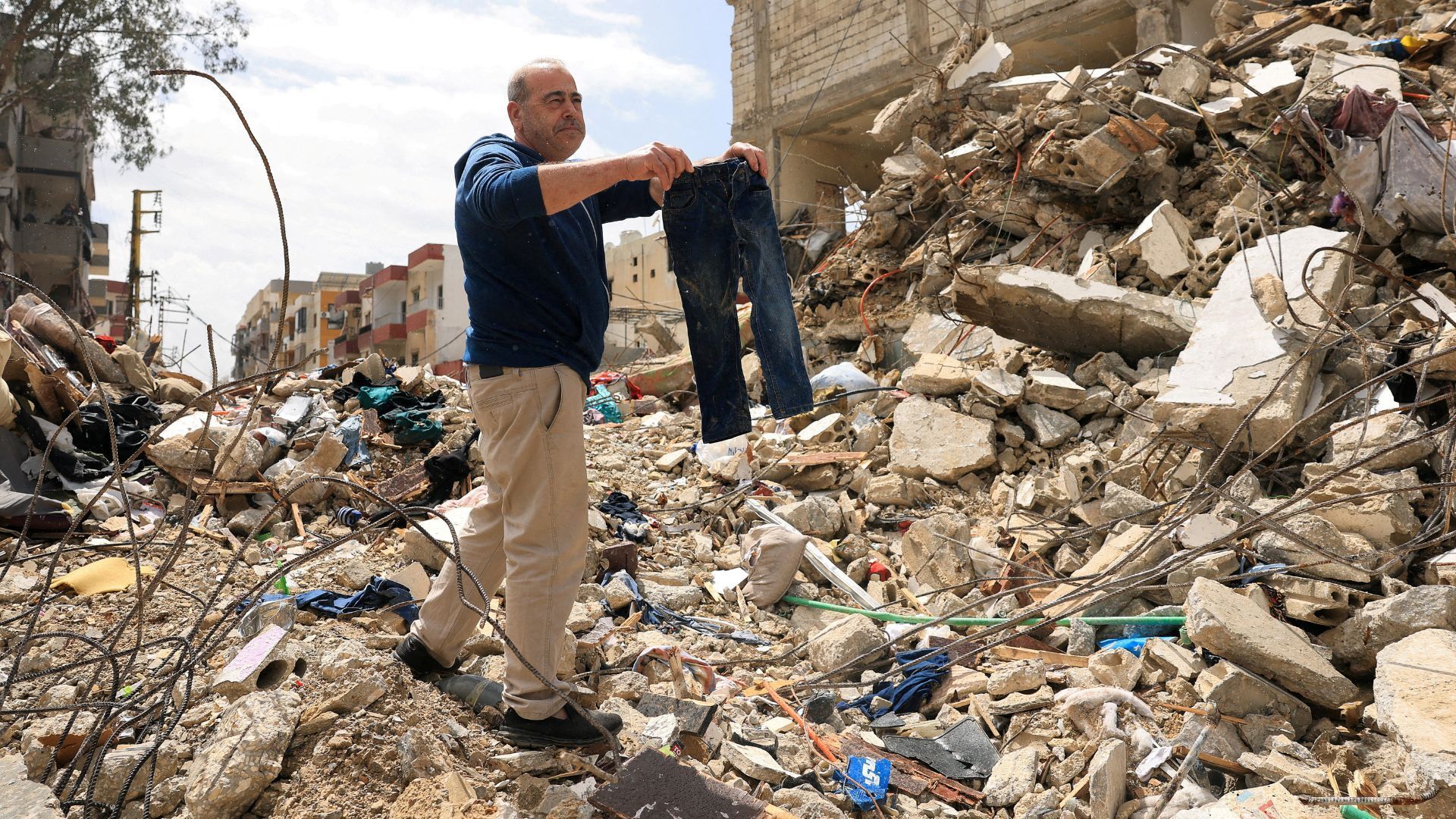
Amnesty International is calling for war crimes investigations into three Israeli strikes in southern Lebanon that it said killed 24 civilians over one week in March. The rights group said the cases raise questions about whether Israeli forces distinguished between civilian homes and military targets.
The attacks took place from March 6 to March 13 in al-Thakana in Tyre, Arki village in the Sidon district, and al-Rahbat in the Nabatieh district, according to Amnesty. The organization said those killed included 12 children aged five to 16 and six women.
Amnesty said it found no evidence of military objectives at the sites when the strikes occurred. Sahar Mandour, Amnesty’s Lebanon researcher, said the group concluded the attacks should be examined as possible war crimes because Israeli forces did not take sufficient steps to protect civilians and did not give specific, effective warnings.
The Israeli military has not provided information about the targets of the three attacks despite requests, Amnesty said.
A family killed in Tyre
One of the strikes hit the home of Hussein Saleh in Tyre’s al-Thakana neighbourhood on March 6, according to Al Jazeera. Saleh said he had been sitting with his family shortly before leaving to buy groceries; when he returned after hearing explosions, the house was gone.
Nine people were inside the home at the time, Saleh said. He told Al Jazeera that three children were among them and that his wife was pregnant.
Saleh said rescuers needed three days to gather the remains of those killed. He described searching through smoke and rubble for his wife, his daughter and other relatives, and said his five-year-old daughter Sara was among the dead.
Paramedic Moussa Chaalan told Al Jazeera he was among the first responders at the scene. He said remains were found up to 200 metres from the impact site and that his team did not need heavy machinery to clear the ruins because the building had been levelled.
Warnings and civilian harm
A day before the Tyre strike, the Israeli military issued broad forced displacement orders telling residents of southern Lebanon, including Tyre, to leave for their safety, according to Al Jazeera. Saleh said his family could not leave right away because six relatives had illnesses or medical conditions.
Human rights groups cited by Al Jazeera say broad displacement orders do not amount to effective advance warnings for specific attacks. They also say Israel remains required to distinguish between military targets and civilians.
Amnesty’s deputy regional director for the Middle East and North Africa, Kristine Beckerle, said in the group’s report that the attacks wiped out whole families and reflected disregard for civilian life. She warned that a lack of accountability for unlawful attacks could encourage further violations of international humanitarian law.
The Lebanese government says Israeli attacks have killed at least 4,250 people since fighting escalated again in March, including more than 250 children. Al Jazeera reported that Israel has faced repeated accusations of unlawful attacks in Lebanon since its operations there began in October 2023.
Chaalan said 135 of his fellow paramedics have been killed since March, many in what he described as double-tap strikes. He told Al Jazeera that responders have seen similar scenes across southern Lebanon, including in Qana, Srifa and Burj Shemali.
This story draws on original reporting from Al Jazeera.