
Al-Hayya takes Hamas post after narrow vote exposes Iran divide
Khalil al-Hayya’s one-vote win puts him atop Hamas as analysts point to a long-running split over Iran’s role in the movement.
By Lucas Ferreira · Science & Environment Writer
3 min read
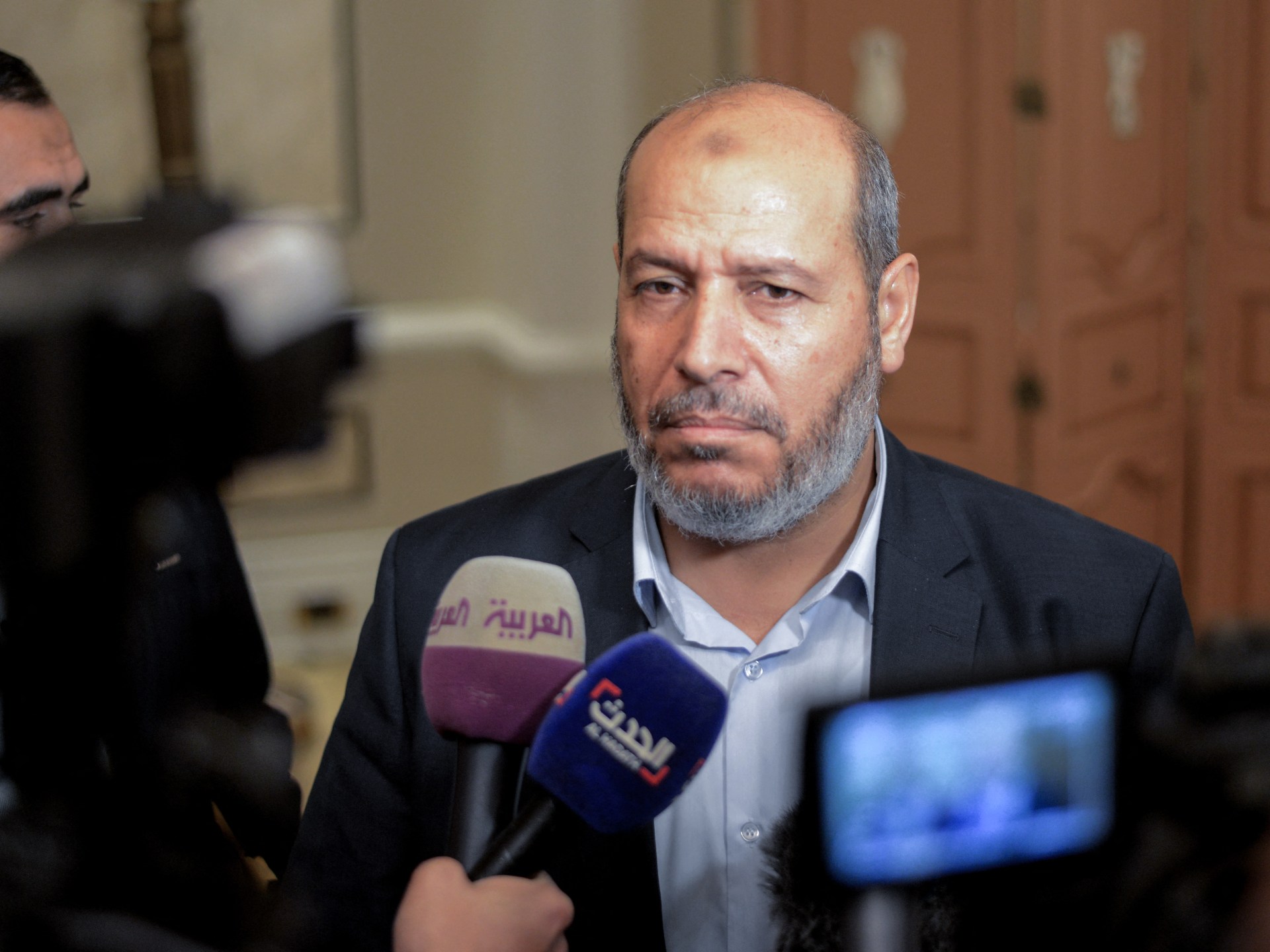
Khalil al-Hayya has been elected head of Hamas by a single vote, a result that underscores a deep internal split over the movement’s relationship with Iran. Palestinian British academic Azzam Tamimi, author of Hamas: Unwritten Chapters, wrote for Al Jazeera that the vote leaves al-Hayya with the task of holding together rival currents shaped by war, exile and regional upheaval.
According to Tamimi, al-Hayya defeated former political bureau chief Khaled Meshaal 35-34 after nearly two years in which Hamas was run by a collective leadership. Al-Hayya was Yahya Sinwar’s deputy in Gaza and served on the five-member council that led the group after Sinwar was killed in October 2024, Tamimi wrote.
Tamimi said the close result will be read by some inside and around Hamas as a victory for the faction most aligned with Tehran. He argued, however, that the margin also shows al-Hayya lacks a broad mandate to sideline the Meshaal camp.
A movement reshaped by exile
Tamimi traced Hamas’s current strains to changes in its leadership structure after its founding in December 1987. He wrote that Hamas emerged from Muslim Brotherhood networks in Gaza, the occupied West Bank, Jordan and the Palestinian diaspora, including groups in Kuwait, Qatar and Saudi Arabia.
Early decision-making was centered in Gaza, where a Shura Council elected an executive office. Tamimi identified Sheikh Ahmed Yassin, Abdulaziz al-Rantissi, Salah Shihada, Abdulfattah Dukhan, Muhammad Sham’ah, Ibrahim al-Yazuri and Issa al-Nashar as members of the body that decided on December 9, 1987, to turn the Brotherhood’s Gaza organization into the Islamic Resistance Movement.
That arrangement changed after Israeli crackdowns followed Hamas claims of responsibility for resistance operations, Tamimi wrote. He said mass arrests deprived the group of much of its first- and second-tier leadership, prompting outside support networks to take a larger role.
According to Tamimi, Mousa Abu Marzouk, then studying for a doctorate in the United States, was sent to Gaza to help rebuild the organization. Abu Marzouk later moved to Jordan and headed Hamas’s political bureau until his 1995 arrest at John F Kennedy International Airport, after which Meshaal took over, Tamimi wrote.
Iran ties became a fault line
Under Meshaal, Hamas reorganized around three main constituencies: Gaza, the West Bank and the diaspora, each with its own Shura Council and executive leadership, Tamimi wrote. The change was meant to spread decision-making, but Tamimi said it also created overlapping authority and recurring disputes.
After Hamas was expelled from Jordan in the late 1990s, its leadership spent 11 years in Damascus, where Tamimi said it expanded foreign ties. During that period, he wrote, the alliance commonly called the “axis of resistance” took shape around Iran, Syria, Hezbollah and Palestinian groups including Hamas and Islamic Jihad.
Tamimi said Iran had sought since the early 1990s, with limited success, to make Hamas a proxy similar to Hezbollah. He wrote that Hamas accepted Iranian financial and military help while retaining a substantial degree of independence during Meshaal’s tenure.
The Arab Spring strained that relationship, Tamimi wrote. Hamas backed the uprisings and refused Iranian pressure to support the Syrian government, then left Damascus for Doha, according to his account.
Tamimi said the later decision to change internal rules so Meshaal could serve a third term created a serious crisis. He added that, after Ismail Haniyeh eventually succeeded Meshaal, Iran directed funding in ways that weakened Meshaal’s diaspora team and strengthened a pro-Iran current inside Hamas.
Al-Hayya now inherits those unresolved disputes, Tamimi wrote. His central test, in that assessment, is whether he can repair a rift that has widened for more than a decade while preserving Hamas’s political independence.
This story draws on original reporting from Al Jazeera.