
Al-Aqsa Mosque storming draws condemnation from eight countries
Eight Arab and Muslim-majority states condemned an Israeli settler entry to Al-Aqsa as Palestinian officials reported access curbs.
By Lucas Ferreira · Science & Environment Writer
2 min read
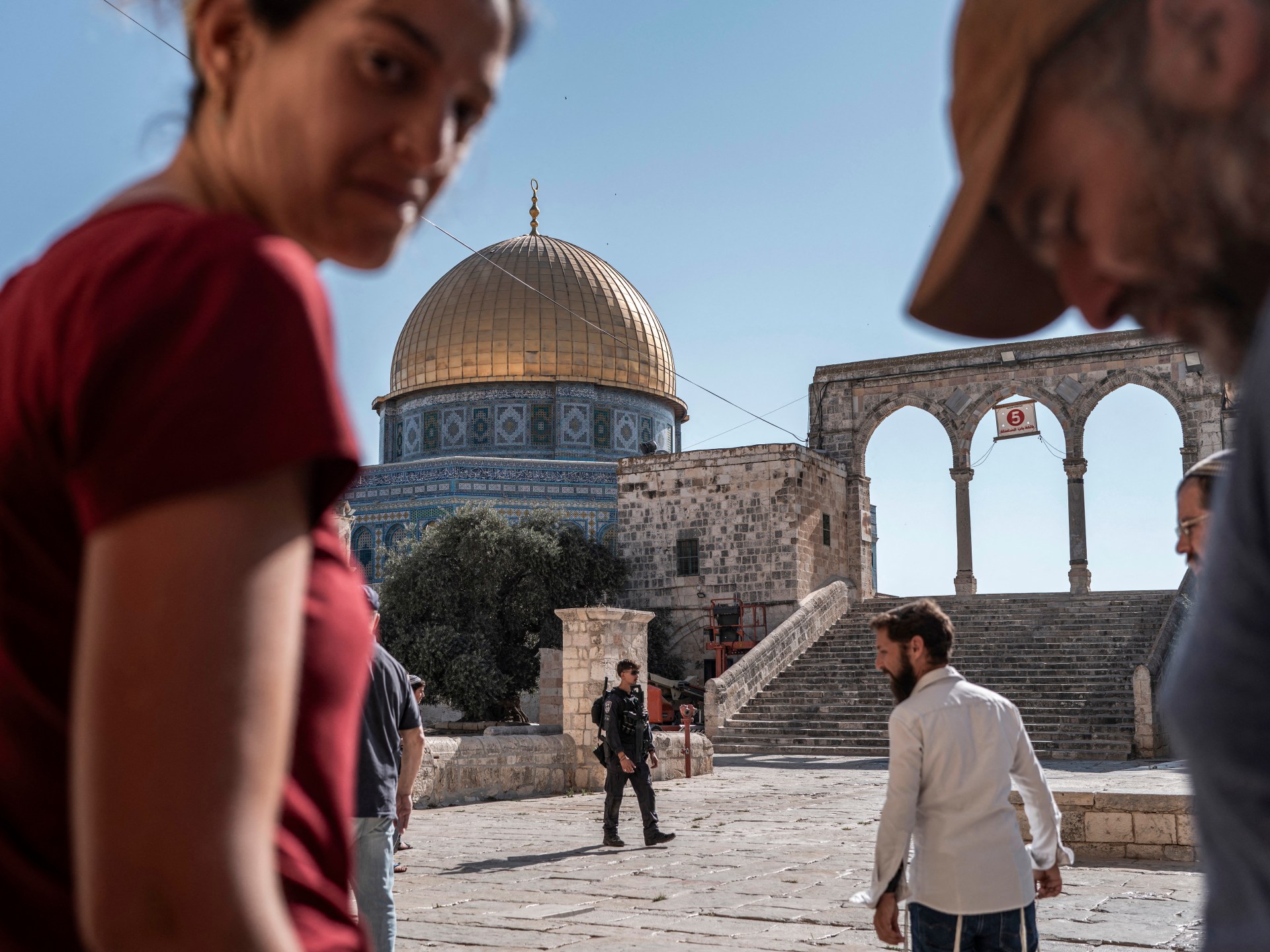
Eight Arab and Muslim-majority countries condemned the Al-Aqsa Mosque storming in East Jerusalem after thousands of Israeli settlers and far-right activists entered the compound on Thursday. The foreign ministers of Egypt, Indonesia, Jordan, Pakistan, Qatar, Saudi Arabia, Turkiye and the United Arab Emirates said the incident threatened efforts toward a two-state peace settlement.
In a joint statement, the ministers said Israeli police protected the entry of settlers and far-right groups into the site, which Muslims call the Noble Sanctuary and Jews call the Temple Mount. They described the action as an attempt to change the site’s established legal and historical arrangements.
Al Jazeera reported that more than 4,200 Israeli settlers and members of far-right groups entered the compound on Thursday to mark Tisha B’Av, a Jewish day of mourning. The observance commemorates, according to Jewish religious tradition, the destruction of two ancient temples believed to have stood at the site.
Why did Israeli settlers enter Al-Aqsa Mosque?
The entry took place on Tisha B’Av, when some Jewish groups visit the compound to mark the destruction of the ancient temples. Al Jazeera reported that the visit was among the largest such incursions at the site this year.
Israel’s far-right National Security Minister Itamar Ben-Gvir also entered the compound, according to Al Jazeera, under heavy police protection. Palestinian officials said Israeli forces tightened controls at the mosque’s gates, kept many Palestinian worshippers and students from entering, and assaulted several people.
The eight foreign ministers said the actions encouraged hatred and extremism and hurt diplomacy aimed at a lasting peace. They also said Israel has no sovereignty over occupied Jerusalem or its Islamic and Christian holy places.
What is the Al-Aqsa status quo?
The status quo refers to long-standing arrangements governing access and administration at the holy site. Under those arrangements, the Jerusalem Waqf, a Jordanian-appointed body, manages the Al-Aqsa Mosque compound.
The compound is one of the most sensitive religious sites in the Israeli-Palestinian conflict. It is Islam’s third-holiest site, while Jews revere the same plateau as the Temple Mount.
Israel captured East Jerusalem in 1967 and annexed it in 1980. The International Court of Justice ruled in 2024 that Israel’s occupation of Palestinian territory, including East Jerusalem, is illegal.
The ministers called on Israel, which they described as the occupying power, to remove restrictions on access to Al-Aqsa. They also urged the international community to pressure Israel to stop what they called violations against Islamic and Christian holy sites in Jerusalem.
This story draws on original reporting from Al Jazeera.