
AJK refugee seats dominate Pakistan-administered Kashmir election
A protest movement wants 12 refugee constituencies abolished as Pakistan-administered Kashmir votes after weeks of deadly unrest.
By Sofia Marchetti · World Affairs Correspondent
3 min read
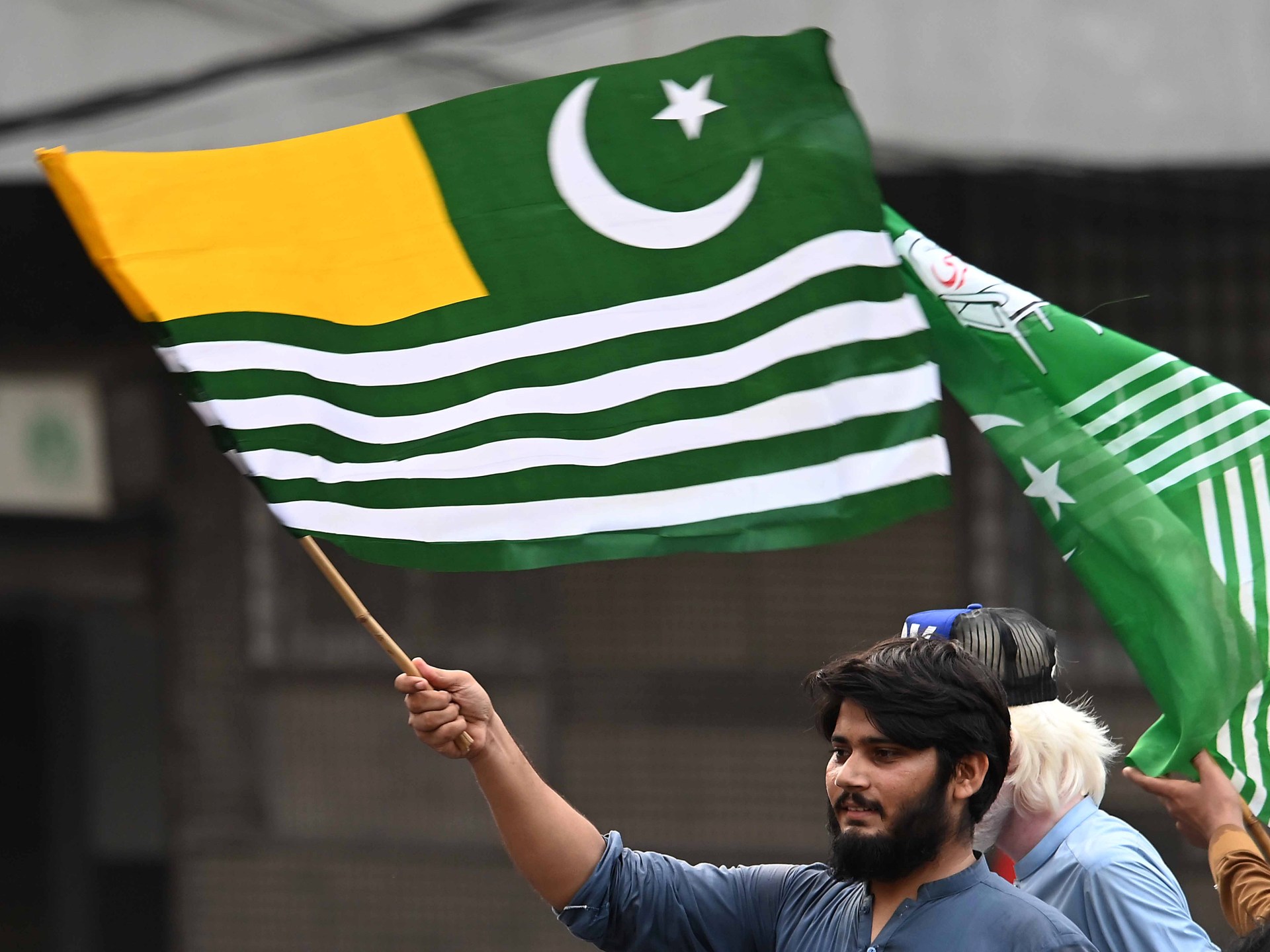
AJK refugee seats have become the central dispute in Pakistan-administered Kashmir’s election, as voting begins after weeks of deadly unrest. The argument matters because 12 of the assembly’s 45 elected seats are filled by Kashmiri refugees living elsewhere in Pakistan, a system protesters say gives outsiders influence over the government in Muzaffarabad.
Al Jazeera reported that Azad Jammu and Kashmir, or AJK, has been under what it described as an unofficial state of emergency since early June. Nearly 40 people have been killed in clashes between demonstrators and security forces, banks were shut for two weeks, and mobile and internet services remain cut off in much of the territory, according to the report.
The election calendar has been broken into three stages. Mirpur division votes on July 27, Muzaffarabad division and the 12 refugee constituencies vote on August 2, and Poonch division, where the unrest has been most intense, votes on August 10, Al Jazeera reported.
What are AJK refugee seats?
The AJK Legislative Assembly has 33 seats tied to constituencies inside Pakistan-administered Kashmir and 12 seats reserved for refugees from Indian-administered Kashmir who live in different parts of Pakistan. Election Commission figures cited by Al Jazeera put the total electorate at more than 3.8 million this year, including about 439,000 registered voters in the refugee constituencies.
The reserved-seat system dates to electoral arrangements introduced in 1960 and later written into AJK’s 1974 Interim Constitution, according to Al Jazeera. Chaudhry Muhammad Ibrahim Zia, a former chief justice of the AJK Supreme Court, told the outlet that the seats rest on both historical and constitutional grounds tied to the founding of the AJK government in 1947.
The Jammu Kashmir Joint Awami Action Committee, or JAAC, has made abolition of the 12 seats one of its main demands. The group began with economic demands including subsidised flour, cheaper electricity and a share of hydropower benefits, but later expanded its platform to 38 points, Al Jazeera reported.
JAAC was banned by the local government on June 5, shortly before a planned protest, according to Al Jazeera. Its leaders have been arrested, gone underground or continued organising from sit-in camps in Rawalakot, and the movement has urged supporters to boycott the election.
Why can’t the seats be removed before the vote?
The AJK Supreme Court ruled in June that the 12 seats are protected by the constitution and can be abolished only through a constitutional amendment, not by executive order or protest pressure, Al Jazeera reported. Zia told the outlet that because the previous assembly’s term has ended, any amendment process would have to wait until a new legislature is seated.
JAAC members argue the constituencies fall outside AJK’s territory and should not determine the territory’s assembly. Kashif Abbasi, a JAAC committee member, told Al Jazeera that the election should be limited to people who live in AJK.
Government figures reject that view. Abdul Majid Khan, AJK’s former finance minister and a member of a refugee family, told Al Jazeera that refugee representation has been part of the territory’s political system since its first parliamentary election in 1975 and said development funds for the refugee constituencies are small compared with AJK’s overall budget.
AJK Prime Minister Faisal Mumtaz Rathore said at a June 3 all-parties conference that only elected representatives in the assembly can decide the future of the seats, according to Al Jazeera. Pakistan’s Defence Minister Khawaja Asif told the National Assembly on June 11 that the issue should be settled through voters rather than street pressure.
This story draws on original reporting from Al Jazeera.