
Abdul El-Sayed Michigan Senate race puts Gaza policy at the center
Michigan’s Democratic Senate primary has become a test of how Gaza and U.S. policy toward Israel are reshaping Arab American politics.
By Sofia Marchetti · World Affairs Correspondent
3 min read
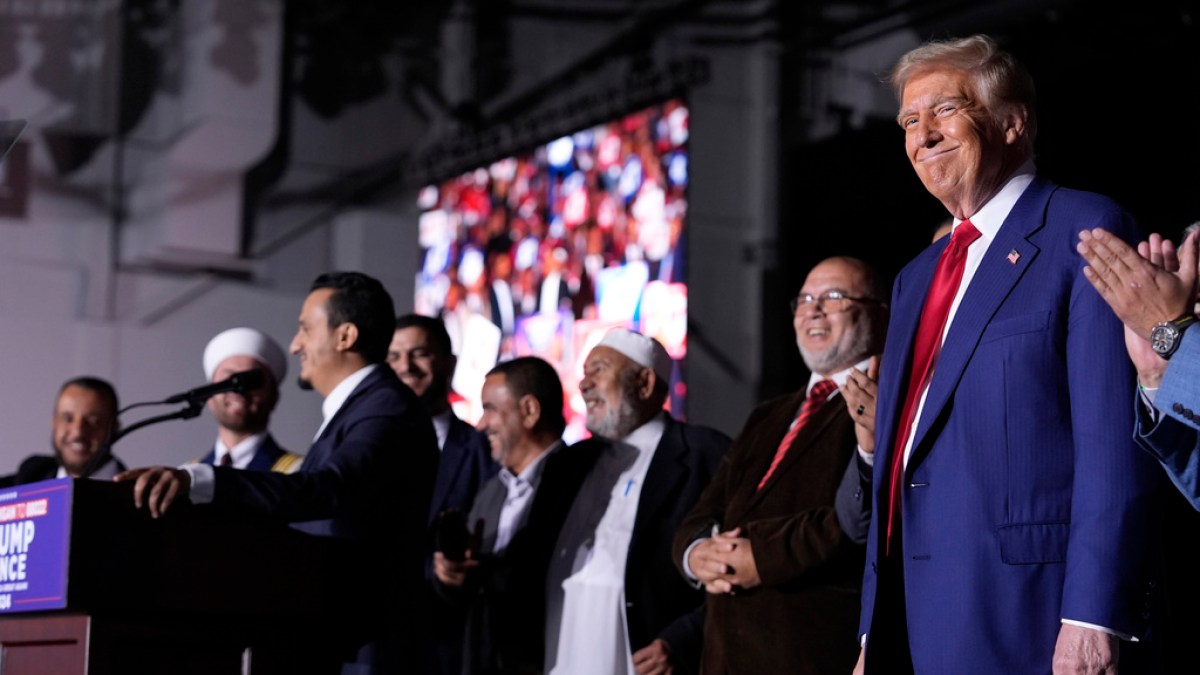
The Abdul El-Sayed Michigan Senate campaign has turned the state’s Democratic primary into a contest shaped heavily by Gaza and U.S. support for Israel. Reporting by The Forward and Al Jazeera describes a race in which many Arab and Muslim activists see El-Sayed’s position on the war as a reason to return to Democratic primary politics after some withheld support from the party in 2024.
El-Sayed, a doctor and public-health advocate of Egyptian descent, is seeking the Democratic nomination for an open U.S. Senate seat. He has sharply criticized Israel’s war in Gaza, calling it genocide, and argues that U.S. money spent on overseas conflicts should instead support domestic needs, according to Al Jazeera.
His main primary opponent, Rep. Haley Stevens, is described by The Forward as a reliable supporter of Israel. The primary had not yet been held in the reporting reviewed, with voters due to decide the nomination on Tuesday.
Why is Gaza central to the Michigan Senate primary?
The contest follows a visible break between some Arab and Muslim voters and the Democratic ticket in the 2024 presidential election. Interviewees in Dearborn told Al Jazeera that the Biden administration’s backing of Israel during the Gaza war, and Kamala Harris’s reported refusal to consider an arms embargo, made supporting Harris unacceptable to them.
That response took several forms. Al Jazeera’s analysis of heavily Arab precincts in east Dearborn found about 45% of votes went to Donald Trump, 29% to Green Party candidate Jill Stein and 16% to Harris. Those figures describe selected precincts, rather than Michigan’s entire Arab American population or a representative measure of its views.
Trump’s 2024 campaign appeared with local Muslim imams at a Michigan rally and visited Dearborn, Al Jazeera reported. But Hussein Dabajeh, a Detroit-area political strategist, told the outlet that Arab and Muslim voters he knows who backed Trump are now unhappy with his administration’s policies. Samraa Luqman, a Yemeni-American activist, said she did not regret declining to support Democrats in 2024 but plans to vote for El-Sayed and Rep. Rashida Tlaib.
The accounts document a political shift among some voters and activists, not a uniform community position. Al Jazeera’s reporting was based chiefly on interviews, rather than a representative poll of Arab Americans.
How much outside money is in the race?
Campaign spending has amplified the dispute over Israel’s role in Democratic politics. The Forward, citing Federal Election Commission filings, reported that AIPAC’s United Democracy Project had spent $30.6 million backing Stevens. Al Jazeera separately reported that pro-Israel groups, including AIPAC, had backed Stevens with more than $50 million.
The New Arab reported more than $60 million in total outside spending in the primary, a figure that covers more than the spending attributed to AIPAC-linked groups. The three figures measure different categories and should not be added together.
The Forward said the primary has become a proxy battle over the Gaza war and the influence of Israel supporters in Democratic politics. For El-Sayed’s supporters in Dearborn, the race is also a chance to back a candidate whose criticism of Israel and U.S. policy aligns more closely with their demands.
This story draws on original reporting from Al Jazeera.