
Tribeca AI films point to custom models, not prompt-only Hollywood
Projects at Tribeca showed studios may need tailored AI tools and human-led workflows to make generative video usable for film.
By Maya Lindqvist · Senior Technology Correspondent
3 min read
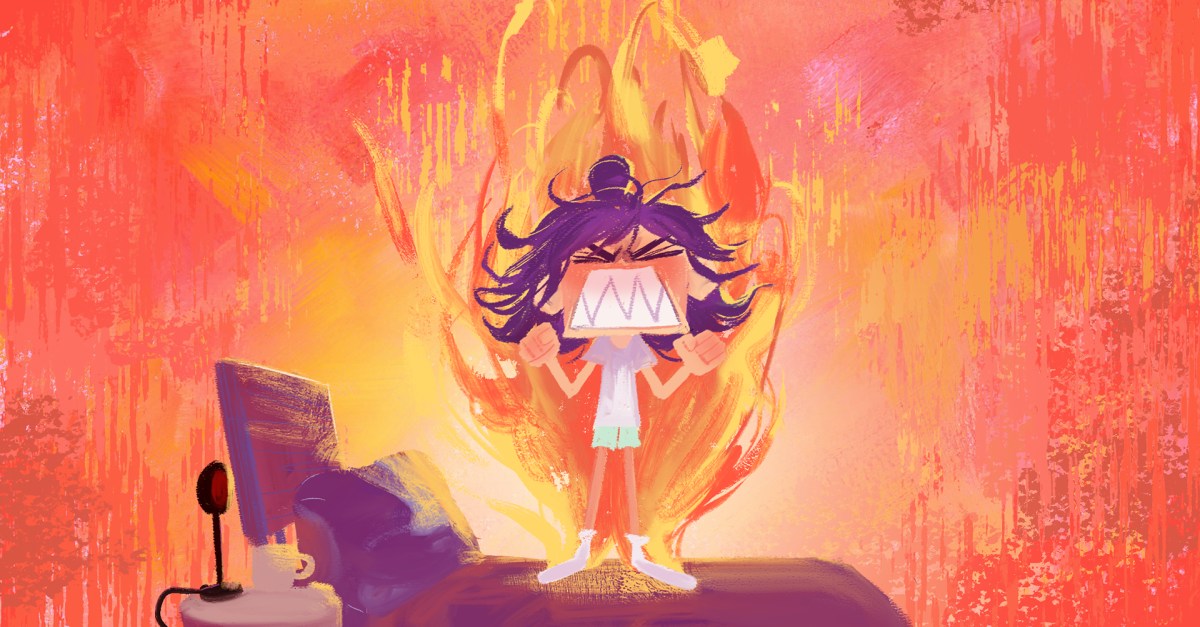
AI-assisted films at the Tribeca Film Festival offered a clearer view of how generative tools may fit into Hollywood production: as custom systems guided by artists, rather than prompt boxes that produce finished movies. The Verge reported that several festival projects showed both the limits of generic AI video and the stronger results possible when filmmakers build controlled workflows around the technology.
The strongest example, according to The Verge, was Dear Upstairs Neighbors, a Google DeepMind-backed animated short written and directed by Pixar veteran Connie Qin He. The film follows Ada, played by producer Márcia Mayer, as she tries to sleep while loud sounds from the apartment above repeatedly wake her.
For the short’s visual style, He worked with Pixar production designer Yingzong Xin, who made concept art on paper with acrylics and in Photoshop, The Verge reported. Google DeepMind researchers then built custom versions of its Veo and Imagen models around that artwork so the team could generate imagery that stayed close to the film’s intended look.
The production did not rely on text-to-video generation alone. According to The Verge, the team first made rough animations in Autodesk Maya to control the movement and structure of scenes, then used Veo to polish those roughs and Imagen and Veo to add further stylized material.
That process helped avoid common AI-video problems, including inconsistent visuals across shots, The Verge reported. It also made Dear Upstairs Neighbors a showcase for bespoke models trained around a specific creative direction, while underscoring that the short also functioned as a demonstration of Google’s technology.
Other AI-backed films at Tribeca showed more uneven results, according to The Verge’s Charles Pulliam-Moore. Illuminai Studios’ animated short Roar came across as a loose sequence of AI-generated clips, while Asteria Film Co.’s ChikaBOOM!, a fast-paced fantasy about a magician in training, lacked the visual and sound polish needed to fully support its premise, he reported.
OpenAI also had films at the festival. The Verge reported that Alice Gu’s semi-autobiographical drama Smoked used Sora to depict the Palisades Fire, with wide fire shots appearing less convincing than close-up scenes of a woman and her son escaping in a car, which were filmed using a Volume-like setup.
Youssef Michraf’s Mauvais Soleil used OpenAI tools for several photorealistic scenes, The Verge reported. Its shots tended to run only a few seconds, and its only speaking character was an unseen narrator, choices that fit the film’s story about a man whose life is being distorted by artificial intelligence.
OpenAI’s appearance at Tribeca followed the company’s decision to shut down Sora, The Verge reported. That shutdown also kept OpenAI’s feature-length film Critterz from debuting at the Cannes Film Festival, according to the report.
The festival also included Dreams of Violets, a docudrama by writer-director Ash Koosha about nationwide protests in Iran over the past year. The Verge reported that Koosha made the project alone in a few weeks, spending $2,000 on computing costs and using Kling AI, Claude, Gemini and Nano Banana.
Taken together, the films suggest that studios looking at generative AI may find more value in tailored production pipelines than in off-the-shelf systems, according to The Verge. The projects that worked best depended on human-made art, conventional planning and filmmakers making detailed creative decisions before AI tools entered the process.
This story draws on original reporting from The Verge.