
Toyota’s electric C-HR trades space for style and standard AWD
The small electric crossover starts at $37,000 with dual motors, but Ars Technica found its size and cabin compromises may limit its appeal.
By James Whitfield · Staff Writer
3 min read
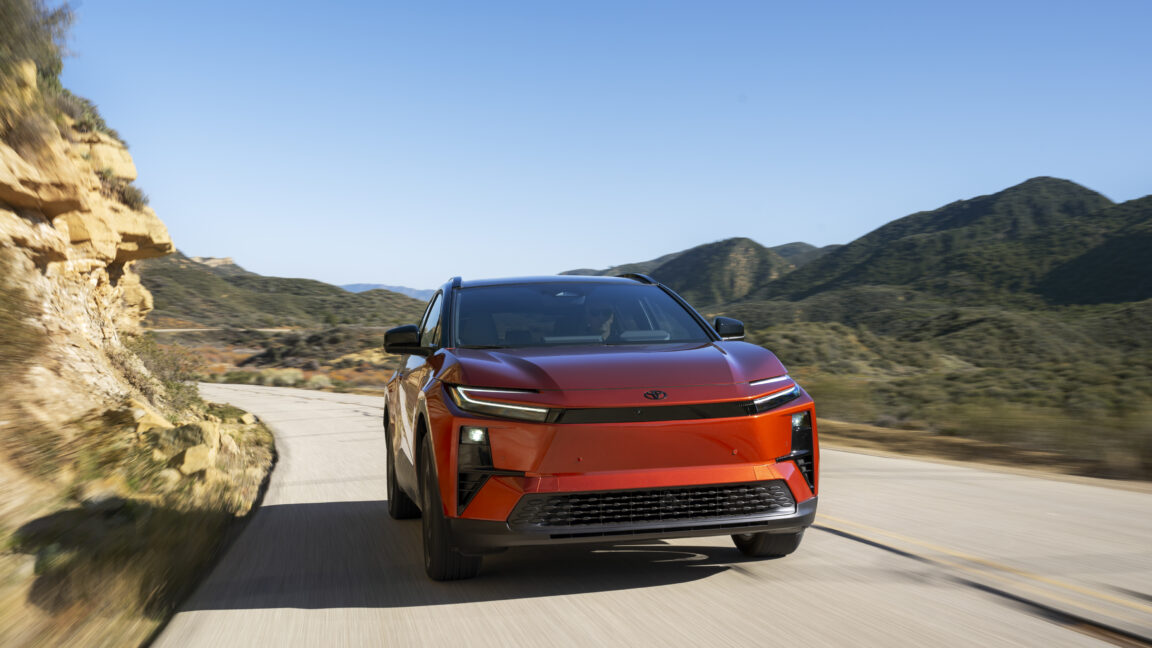
Toyota’s new electric C-HR gives the brand another North American EV, pairing standard all-wheel drive with a smaller, more style-led body. Ars Technica’s Jonathan M. Gitlin reported that the crossover is lively and well equipped, though its dimensions and rear-seat compromises make it a less obvious choice for buyers seeking a genuinely small utility vehicle.
The C-HR arrives as Toyota adds more battery-electric models after a slow start against major rivals, according to Ars Technica. The publication reported that Toyota has recently updated the bZ with a new battery pack, more efficient motors and a NACS charging port, while also preparing related models including the bZ Woodland and an electric Highlander.
Compared with the bZ, the C-HR is 6.7 inches shorter, Ars Technica reported. The review said the C-HR remains as wide as the bZ and only a little more than an inch lower, limiting its usefulness for shoppers who want a much smaller EV.
Standard dual-motor power
Toyota offers the C-HR with one powertrain: a dual-motor all-wheel-drive setup making a combined 338 horsepower, according to Ars Technica. The system uses a 74.7 kWh battery pack, with a 223-horsepower front motor and a 118-horsepower rear motor.
The C-HR starts at $37,000, Ars Technica reported. The same dual-motor arrangement costs almost $3,000 more in a bZ, according to the review.
Inside, Ars Technica found substantial overlap with the bZ, including the steering wheel, instrument display, infotainment system and physical controls. The review described Toyota’s 14-inch touchscreen as responsive and said wireless Apple CarPlay is supported.
The rear cabin shows the effect of the shorter wheelbase, according to Ars Technica. The review said the back seat is not especially tight compared with the previous gas-powered C-HR, but the seating position near the C-pillar can make the area feel dark, even with the optional panoramic glass roof.
Ars Technica reported that the glass roof reduces headroom by a little more than an inch. The rear seat has one 15-watt USB-C port, while the front row gets two 60-watt ports; the XSE trim can add heated rear seats, according to the review.
Range, charging and road feel
Toyota quotes a 4.9-second 0-to-60 mph time for the C-HR, the same figure as its other all-wheel-drive EVs, Ars Technica reported. In city driving, Gitlin found the C-HR quick to respond, with throttle behavior that felt especially eager in normal mode, while steering feedback and the front-biased power delivery limited its sporty character.
Ars Technica reported an indicated 3.8 miles per kWh during a week of mostly city driving. The review said the car estimated 149 miles of remaining range at 72 percent charge during hot, humid Washington, D.C., weather, making it hard to line up with Toyota’s EPA-rated 273 miles on 20-inch wheels; the SE trim’s 18-inch wheels add 14 miles, according to the review.
The C-HR has a native NACS charge port rated at up to 150 kW, Ars Technica reported. Toyota says a 10-to-80 percent DC fast charge takes about 30 minutes, while an 11 kW AC charger takes 7.5 hours.
Ars Technica noted one practical issue with the port location behind the front wheel arch: older Tesla Supercharger cables may be difficult to reach. The review also criticized the car for failing to remember that air conditioning had been switched on after restart, a problem Gitlin found during the hot test week.
This story draws on original reporting from Ars Technica.