
Sony Bravia 9 II earns high marks in early RGB LED review
The Verge praised Sony’s flagship 4K TV for brightness and color, while noting its high price and lingering LED blooming.
By Maya Lindqvist · Senior Technology Correspondent
2 min read
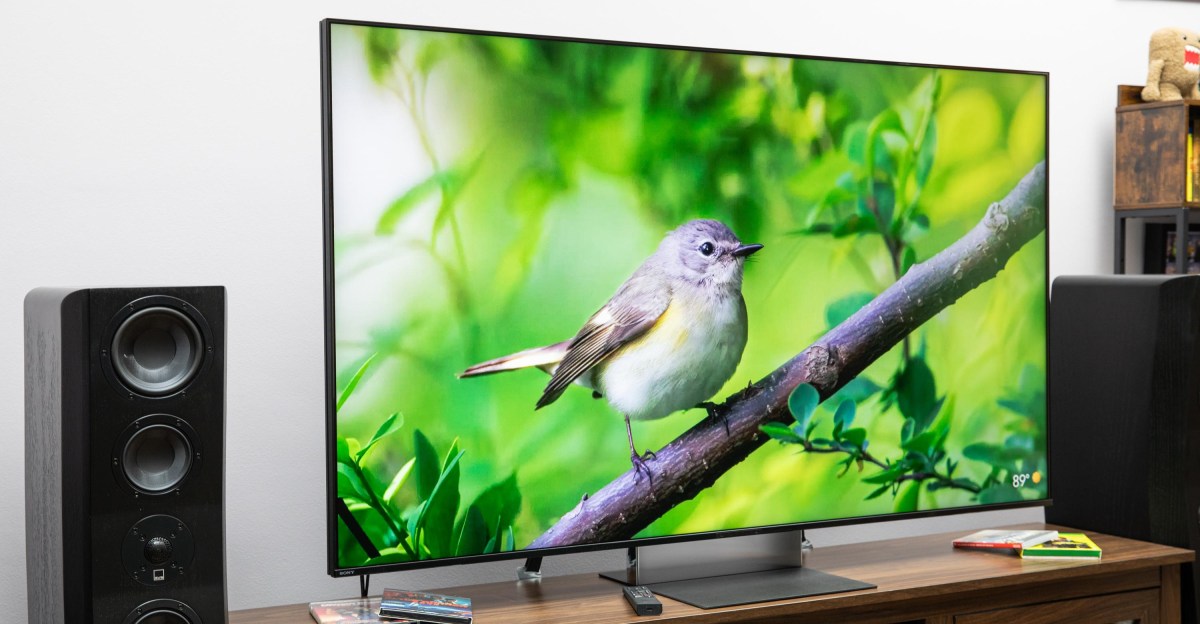
Sony’s Bravia 9 II is drawing strong early praise as a flagship RGB LED television, a display category aimed at improving color and brightness beyond conventional LED sets. In a review published by The Verge, senior reviewer John Higgins gave the 65-inch model a score of 9, while saying he would still personally choose an OLED.
The review describes the Bravia 9 II as Sony’s top RGB LED TV and positions it above the Bravia 7 II, which The Verge reviewed in May. Higgins wrote that the 9 II adds more dimming zones, an anti-reflective screen and higher brightness than the 7 II, but also costs substantially more.
The 65-inch Bravia 9 II is listed at $3,600 at Sony and Best Buy, according to The Verge. Higgins said that is $1,000 more than the 65-inch Bravia 7 II, with the gap widening at larger sizes.
Brightness, color and screen treatment stand out
Higgins praised the Bravia 9 II’s color accuracy, high brightness and matte anti-glare screen. The Verge’s listed positives also include the same lenticular stand design used on the Bravia 7 II.
In viewing examples cited by The Verge, Higgins said the TV handled natural-looking scenery and vivid fantasy effects in Dungeons & Dragons: Honor Among Thieves. He also pointed to bright HDR highlights in scenes from Mad Max: Fury Road and The Meg.
The review says the Bravia 9 II has enough brightness for any room and credits its light-diffusing screen as a major strength. That combination is significant for buyers who watch in bright spaces, where glare and reflections can reduce perceived picture quality.
OLED competition remains a hurdle
The Verge’s main reservations center on price and the limits of LED technology. Higgins said the Bravia 9 II costs more than flagship OLED televisions, despite still showing some blooming because it is an LED set.
The review says blooming is especially visible when viewed off axis. Blooming occurs when light from bright objects spreads into darker parts of the picture, a problem local dimming can reduce but not fully eliminate on LED TVs.
Sony first showed an early version of its RGB LED backlight technology at its Tokyo headquarters in early 2025, according to The Verge. Higgins wrote that the prototype already looked promising at that stage.
The Verge’s assessment leaves the Bravia 9 II as a high-performing but expensive option for buyers who want Sony’s latest RGB LED hardware. For shoppers deciding between premium LED and OLED, the review frames the choice around brightness and glare handling on one side, and OLED’s picture advantages and pricing on the other.
This story draws on original reporting from The Verge.