
Amflow e-mountain bike test makes the case for pedal assist
A Verge test of the Amflow PX Carbon Pro found that electric assist can make trail riding more approachable without removing rider effort.
By Hana Yoshida · Markets Reporter
3 min read
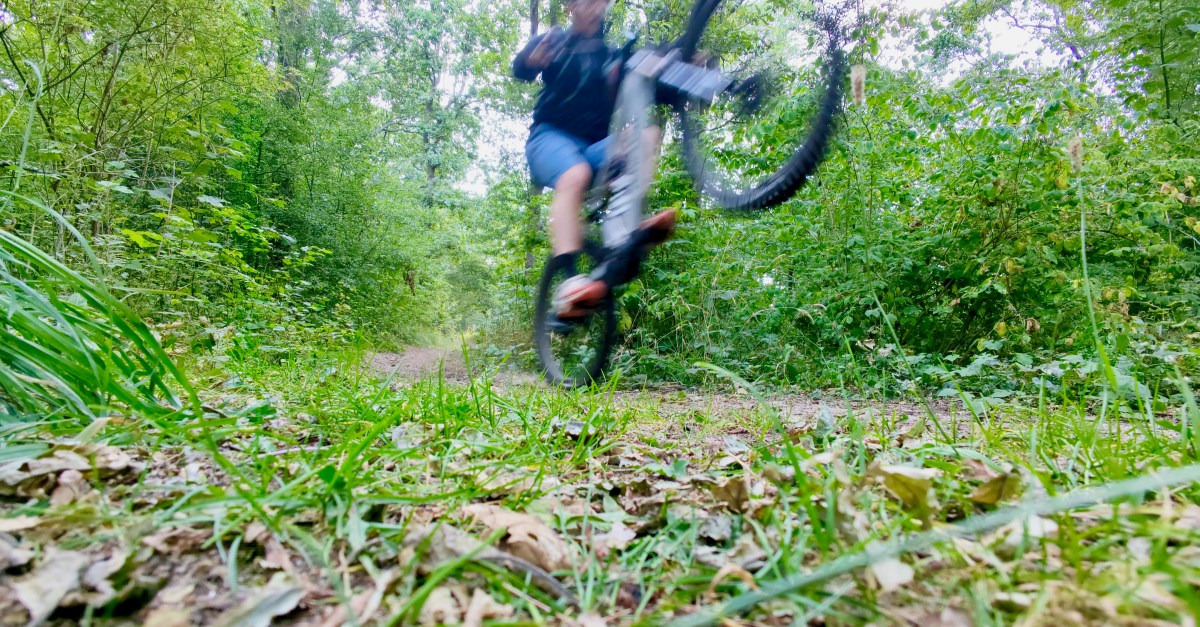
A new review of the Amflow PX Carbon Pro argues that electric mountain bikes can help riders spend more time on trails without turning the ride into a motorized shortcut. The Verge’s Thomas Ricker wrote that the bike’s Avinox M2S mid-drive motor changed his long-held skepticism about eMTBs after several weeks of riding.
Ricker said the Amflow’s motor did not make him unusually fast. Instead, he described it as a way to recover from lost momentum on climbs, tight turns and technical sections where rider errors can force a stop or dismount.
The review frames electric mountain bikes as part of a longer pattern in the sport. Ricker noted that full-suspension frames, disc brakes, dropper posts and 29-inch wheels also faced resistance from riders who believed new equipment reduced the challenge of mountain biking. Those features are now common on many bikes, including the Amflow model he tested.
Assist helps most on climbs
According to Ricker, the electric assist was most useful on steep and technical uphill sections. He wrote that the motor let him choose between higher assist on days when he wanted relief and lower assist when he wanted a harder workout.
Ricker also said the motor made him feel more secure after a previous crash left him less confident on a mountain bike. The added torque helped him accelerate out of turns and regain balance in difficult terrain, according to his review.
The European rules under which Ricker rode limit the comparison with faster e-bikes sold elsewhere. He wrote that European eMTBs do not use throttles, stop assisting at 25km/h, or 15.5mph, and have a maximum continuous output rating of 250W. He contrasted that with U.S. Class 1 e-bikes and faster Class 3 models.
Because of that speed cap, Ricker said the Amflow did not help him keep pace on straight sections where riders on conventional mountain bikes can exceed 30km/h. The benefit came in slower, more technical riding, especially when momentum mattered.
A high-end bike with wider implications
The Amflow PX Carbon Pro tested by The Verge costs $10,000. Ricker said the bike’s carbon frame brings total weight to 20.6kg, or 45 pounds, which he described as below the typical 22kg to 27kg range for eMTBs.
The Avinox M2S motor can deliver up to 150Nm of torque and a temporary 1,500W boost for steep stretches, according to the review. Ricker described the motor as compact and light, and said its performance has drawn attention from established e-bike motor companies including Bosch and Specialized.
Avinox says it now has more than 60 bike brand partners worldwide. Ricker wrote that shoppers can find lower-priced M2S-equipped models, including the roughly $4,000 CRUSSIS e-Hard 11.11 hardtail, and also pointed to budget eMTBs from Ride1Up and Aventon with less capable motors.
Ricker’s conclusion was that riders do not need a five-figure carbon bike to see the appeal of electric mountain biking. In his view, pedal assist does not replace skill, but it can make riding more frequent, less punishing and more inviting for riders still building confidence.
This story draws on original reporting from The Verge.