
Semi-solid batteries gain ground as solid-state tech lags
Gel-based batteries are moving into power banks, e-bikes and phones as companies seek safer alternatives to conventional lithium-ion cells.
By Hana Yoshida · Markets Reporter
4 min read
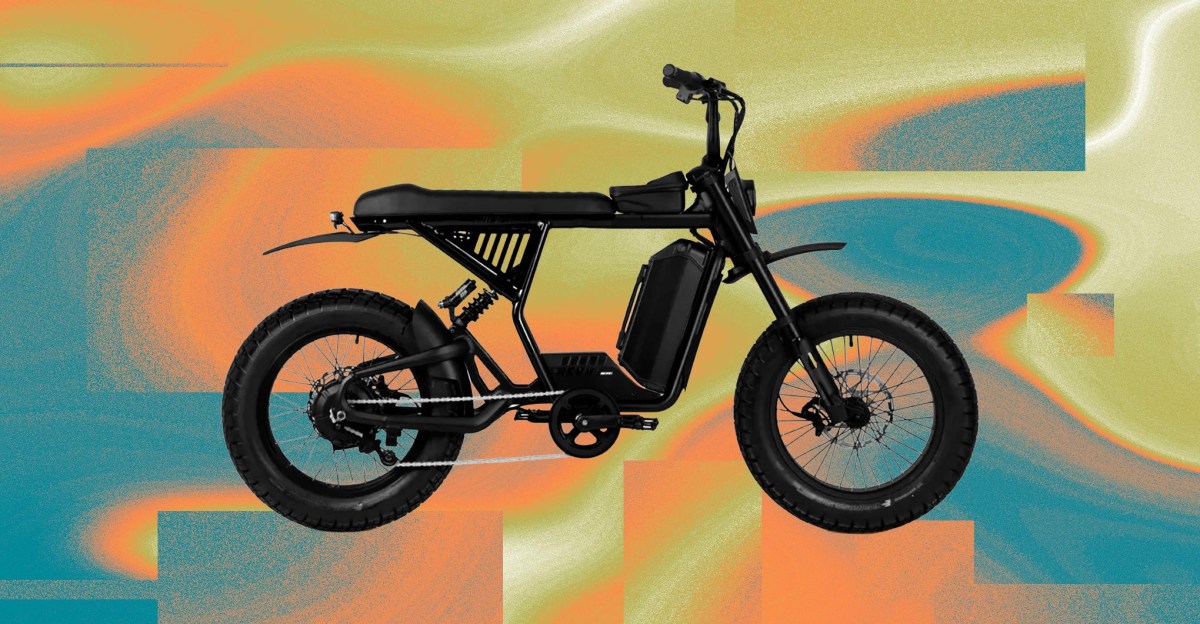
Semi-solid-state batteries are starting to appear in consumer devices while true solid-state batteries remain out of reach for mass-market products. The shift matters because fires linked to lithium-ion batteries have pushed regulators and manufacturers to look for safer cells in power banks, e-bikes and other electronics.
The Verge reports that semi-solid-state cells use a gel-like electrolyte rather than the volatile liquid electrolyte found in many conventional lithium-ion batteries. The design is meant to cut the risk of thermal runaway while preserving much of the existing battery architecture.
Battery safety has become a larger consumer issue as lithium-ion packs have spread across personal electronics and transportation. According to The Verge, the US Consumer Product Safety Commission issued recalls in 2025 covering nearly 1.9 million power banks from brands including Anker, Baseus and INIU. The agency also pushed recalls involving tens of thousands of e-bikes over fire risks and issued a warning to stop using batteries found in several Rad Power Bikes models, The Verge reported.
A practical step short of solid-state
Solid-state batteries have long been promoted as a future replacement for today’s lithium-ion cells, with promises of safer operation, fast charging, lighter packs and higher energy density. The Verge notes that those claims remain largely ahead of commercial reality, and a recent Donut Lab solid-state battery claim described as production-ready was later challenged by independent battery experts cited by The Verge.
Semi-solid-state batteries occupy a middle ground. According to The Verge, they still use an anode and cathode with ions moving between them during charge and discharge, but replace the liquid electrolyte with a semi-solid gel. Because the core design is similar, manufacturers can adapt existing production lines with smaller changes than a full move to solid-state cells would require.
The category is already showing up in power banks. The Verge reviewed a Kuxiu semi-solid-state power bank in April 2025 and reported that other brands have since introduced similar products. Those devices tend to cost more, but The Verge says they can hold more energy in the same volume, perform better in cold conditions and last two to three times longer than typical lithium-ion power banks.
E-bikes and phones adopt the chemistry
Ride1Up announced the Revv1 EVO in early May and described it as the world’s first semi-solid-state electric bike, according to The Verge. The bike uses a 1,040Wh battery from Heyuan Lithium Inno that Ride1Up says is designed to exceed 1,200 charging cycles before falling below 80 percent of its original capacity, compared with about 500 cycles for typical e-bike batteries. The company says the battery can charge in two hours and handle temperature extremes better; shipments are scheduled to begin in August 2026.
Giant also plans to use semi-solid-state batteries, The Verge reported. The bicycle maker is working on at least five mass-produced e-bikes using Heyuan Lithium Inno cells and has partnered with T&D, a battery company spun out of Bafang. Bike Europe reported that Giant says T&D’s battery offers 50 percent more capacity than lithium-ion and lets the company cut frame-integrated weight by 21 percent.
Phone makers are also mixing semi-solid electrolytes with other battery advances. Vivo said its X200 series used a battery combining a semi-solid-state electrolyte with a silicon-carbon anode, according to The Verge. The same BlueVolt-branded battery appears in newer Vivo devices such as the X300 Ultra, The Verge reported.
Regulation may speed adoption
Chinese rules are helping drive the move, according to The Verge. New e-bike regulations that took effect in December 2025 require batteries to pass a puncture test without causing fire or explosion. Power banks face separate tests needed for China’s CCC certification, which The Verge compares to Europe’s CE mark or US UL certification for relevant markets.
The Verge reports that broader adoption in China could lower costs as more factories adjust their production lines. The effect could reach other countries because China plays a central role in global battery manufacturing.
True solid-state batteries are still expected to take longer. CNBC reported that Lotus’s chief executive said mass production of true solid-state batteries is about a decade away, according to The Verge.
This story draws on original reporting from The Verge.