
HPE offers free VM software year as VMware users weigh exits
HPE is courting VMware customers and partners with free VM Essentials licenses, migration help and reseller incentives amid anger over Broadcom pricing.
By Maya Lindqvist · Senior Technology Correspondent
4 min read
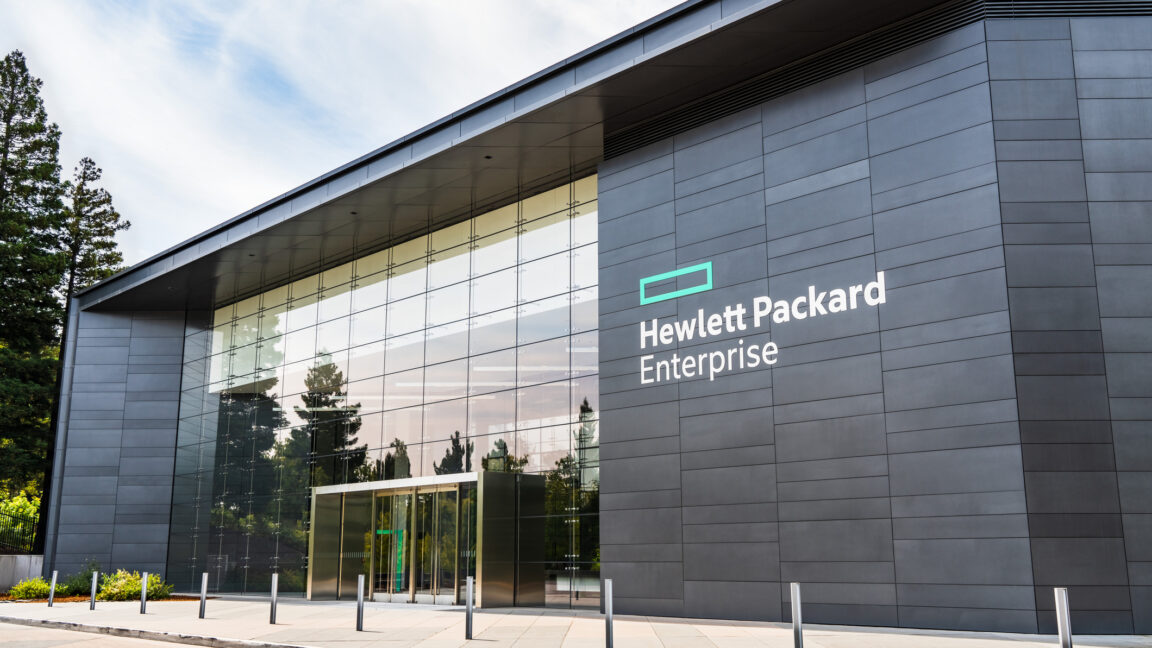
Hewlett Packard Enterprise is offering new customers up to a year of free licenses for its VM Essentials virtualization software, a move aimed at organizations reconsidering VMware after Broadcom’s licensing changes. The promotion matters because migration costs remain one of the biggest barriers for VMware customers seeking alternatives.
HPE announced the offer during its HPE Discover event in Las Vegas, according to the company. HPE describes VM Essentials on its website as a VMware alternative that includes a hardware virtual machine hypervisor, unified management and the ability to manage VMware ESXi and HVM clusters from one console while customers prepare to migrate.
The company said new VM Essentials customers can receive up to one year of licenses at no charge, a year of HPE Zerto for $1 to support migration to HPE virtual machines, and 0 percent interest on software through HPE Financial Services. HPE has also been running a rebate offer from March 1 through June 30 that gives a free year of VM Essentials to customers who buy an AMD server and a one-year VM Essentials license.
Broadcom’s handling of VMware has created an opening for rivals. Ars Technica has reported that VMware customers have faced higher bills after Broadcom ended perpetual licenses and bundled products into larger packages. HPE’s website lists a recommended VM Essentials price of $600 per CPU socket per year, while Broadcom has moved vSphere licensing toward per-core pricing.
Jeremiah Jenson, HPE’s vice president for its North American channel and partner ecosystem, told CRN that customers are feeling pain from changes made by virtualization vendors, naming Broadcom specifically. He said VM Essentials could cut costs by as much as 90 percent compared with VMware and help reduce vendor lock-in while simplifying hybrid IT. Broadcom declined to comment to CRN on HPE’s promotion.
Migration costs remain a hurdle
HPE is trying to address a common problem for companies that want to leave VMware: for a period, they may have to pay for two virtualization platforms at once. Fidelma Russo, HPE’s executive vice president and chief technology officer, told The Register that customers changing their operating model can end up with overlapping expenses.
Surveys cited by Ars Technica have found that many VMware customers expect to reduce or end VMware use in the next few years. But Ars has also reported that time, cost and complexity can slow those plans.
Dean Colpitts, chief technology officer of Canadian managed services provider Members IT Group, told Ars that he does not expect the promotion to drive much sales growth. VMware removed MITG from its reseller program after 19 years of partnership, according to Ars.
Colpitts said his clients usually buy on three-, four- or five-year cycles and fold software into the initial purchase. He told Ars that high DRAM prices and constraints are limiting customers’ ability to get new hardware for migrations, including temporary hardware needed to reimage existing VMware environments for VM Essentials.
Other partners are more optimistic. CRN reported that Nth Generation, an HPE channel partner based in San Diego, expects its VM Essentials sales pipeline to rise by as much as fourfold because of the promotion. Dan Molina, Nth Generation’s co-president and chief technology officer, told CRN that the added licensing and migration benefits lower the risk of moving to VM Essentials.
Reseller push
HPE also said it will give three years of free VM Essentials software licenses to 600 reseller partners that earn its Private Cloud with Virtualization competency by the end of the year. Partners must still pay support costs.
Colpitts told Ars that the reseller offer is “a step in the correct direction,” but he criticized the 600-partner limit as too narrow. He said HPE should give VM Essentials to all partners to help place the product in customer sites and compete more aggressively.
VM Essentials is sold only through channel partners, according to Ars. That differs from Broadcom’s VMware strategy, under which Ars has reported that Broadcom sharply reduced the number of resellers allowed to sell VMware products.
This story draws on original reporting from Ars Technica.