
Square Enix’s new HD-2D RPG mixes Zelda structure with RPG systems
The Adventures of Elliot: The Millennium Tales launches June 18 on Switch 2, PS5, Xbox and Steam, according to The Verge.
By Maya Lindqvist · Senior Technology Correspondent
3 min read
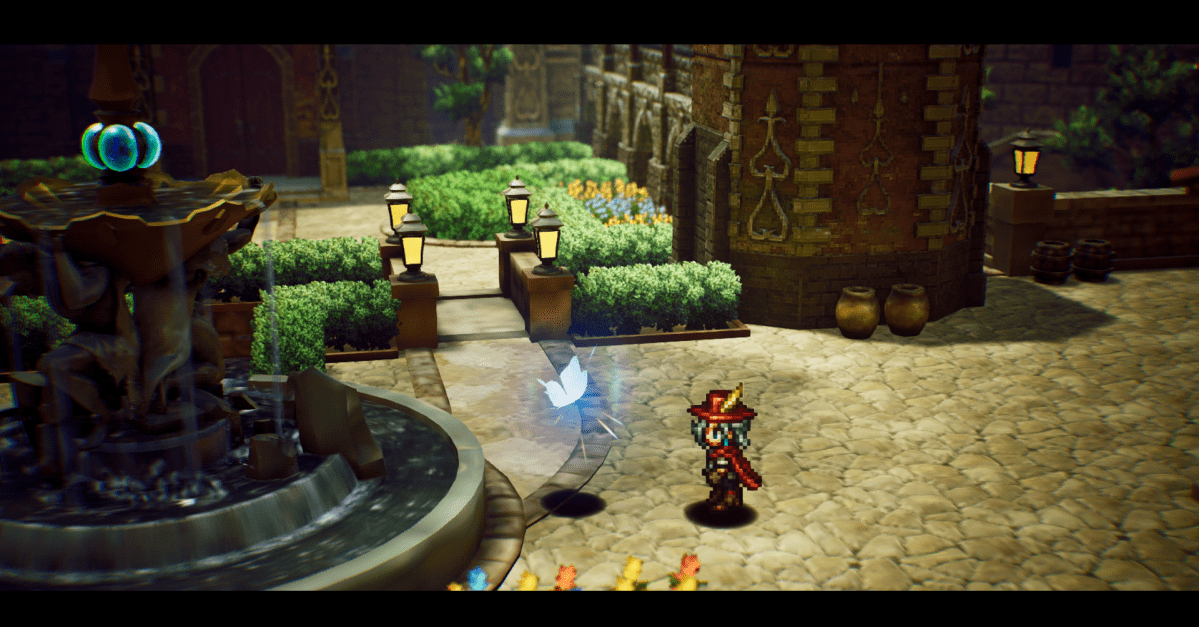
Square Enix’s The Adventures of Elliot: The Millennium Tales arrives June 18 with an action-adventure structure that The Verge says draws heavily from classic Zelda games. The review says the game adds RPG-style customization and time-hopping worldbuilding to Square Enix’s growing HD-2D catalog.
The game is scheduled for Nintendo Switch 2, PlayStation 5, Xbox and Steam, according to The Verge reviewer Andrew Webster. Webster described it as another entry in Square Enix’s HD-2D line, a group of games known for modernized pixel-art visuals and titles such as Octopath Traveler, Triangle Strategy and Dragon Quest remakes.
A kingdom built for adventure
According to The Verge, the story follows Elliot, an adventurer in a world threatened by monsters and beast tribes. Most people live within one protected city, guarded by the magic of a young princess, while adventurers take on dangerous work outside its borders.
The Verge says the plot grows from local danger into a kingdom-scale crisis. Webster wrote that the story involves a royal adviser seeking power and later expands across several timelines covering a thousand years.
Zelda-like structure with RPG tools
The review says The Adventures of Elliot borrows many familiar action-adventure ideas. Webster cited grass-cutting that produces jewels, health upgrades built from heart pieces, bottles used for healing elixirs, and equipment that includes bombs and a boomerang.
The dungeon design also follows a familiar pattern, according to The Verge. Smaller dungeons provide new powers or tools, while larger ones ask players to use those abilities to solve puzzles, find a boss key and face a major enemy.
Webster said the game separates itself through roleplaying elements rather than a standard experience-point system. The review points to magicite, a collectible material used to tune Elliot’s weapons, and spells learned by a fairy companion, including attacks that set enemies on fire and abilities that help Elliot escape danger.
The Verge also says the game spends a lot of time on dialogue, townspeople and cutscenes. Webster described Elliot as a talkative lead compared with Link, Nintendo’s mostly silent Zelda hero.
Four eras on one map
The review’s strongest praise goes to the game’s time-period design. Webster says players explore the same world across four eras, seeing places rise, decay or change as history moves around them.
According to The Verge, one era shows a magically advanced society with new technology, while another shows people trying to survive in that society’s ruins as monsters become a larger threat. Quests often require players to move backward or forward in time to gather information or find needed items.
The review says the broad layout stays recognizable between eras, though details change. Cities may be bigger in one period, bridges may not exist yet in another, and caves and dungeons appear in altered forms depending on the time period.
Webster also noted that cats appear throughout the game and that finding and befriending them unlocks important items. The review does not frame that as a side detail; it says cats are spread across the world.
Approachable without removing challenge
The Verge says the game uses frequent save points and generous fast travel to reduce friction. Webster wrote that he could leave a dungeon before a boss fight, restock in town and return for the battle.
The fairy companion can revive Elliot during boss fights for an increasing fee, according to the review, giving struggling players a way to improve their odds by earning more money. The game also rewards careful play with a combo system that improves item drops when players defeat enemies without taking damage.
Webster concluded that The Adventures of Elliot uses familiar genre pieces while adding enough modern design and scale to stand apart within Square Enix’s HD-2D lineup.
This story draws on original reporting from The Verge.