
Genesis AI unveils Eno robot built for human tasks, not human looks
The French startup says Eno will enter production and targeted deployments by year-end, starting in industrial and logistics settings.
By James Whitfield · Staff Writer
2 min read
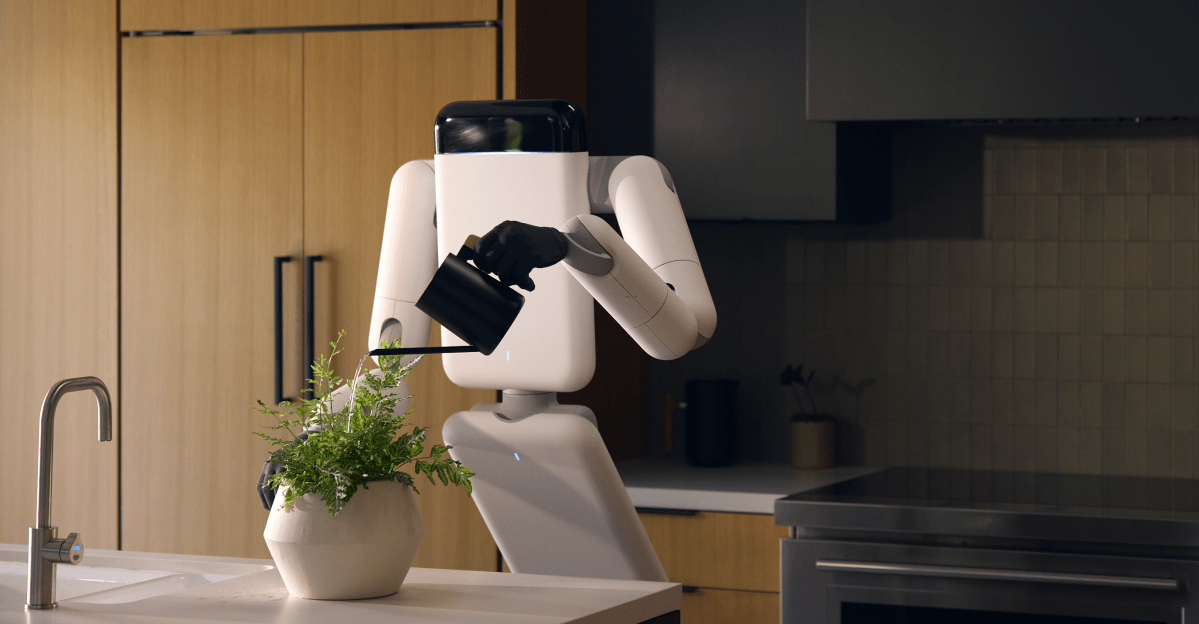
Genesis AI has introduced Eno, a robot the French startup says is meant to handle human-scale work without copying the shape of a person. The design adds to a growing robotics debate over whether machines built for human environments need heads, legs or faces to be useful.
The Verge reported that Genesis AI is backed by former Google CEO Eric Schmidt. In its announcement, Genesis described Eno as a general-purpose robot designed around what people can do, rather than how people look.
A humanoid idea without a human outline
Genesis said in a post on X that “humanoid robots don’t need to look human.” The Verge described Eno as a machine that may lack familiar humanoid features such as a head or legs, while using a wheeled base and a foldable body form.
The company’s pitch is that a robot can be humanoid in function even if it is not humanoid in silhouette. Genesis said Eno is intended as a body for machine intelligence, not as a device made to imitate a person.
One part of the design remains closely tied to human anatomy. Genesis said Eno’s hands are made to match the form and function of human hands so the robot can work with tools and objects already designed for people.
First deployments planned for 2026
Genesis said it plans to begin production and targeted customer deployments by the end of 2026. The company said the first use cases will be in manufacturing, laboratories and logistics.
After those early deployments, Genesis said it plans to expand Eno into hospitals, hotels and consumer settings. The company also said it is working on additional versions, though it did not provide details on what those designs will include.
The company is presenting Eno as a general-purpose robot rather than a machine built for one narrow job. The Verge contrasted that approach with task-specific robots, including systems focused on chores such as folding laundry.
Genesis has not disclosed in the cited announcement how many Eno units it expects to build, how much the robot will cost or which customers will receive the first systems. The company’s near-term plan, as described by Genesis, is to test the robot first in controlled commercial settings before broadening the list of places where it might work.
This story draws on original reporting from The Verge.