
Home battery installations set US record as power prices rise
Residential battery capacity hit a first-quarter record in 2026, led by states using incentives to pair storage with rooftop solar.
By Hana Yoshida · Markets Reporter
3 min read
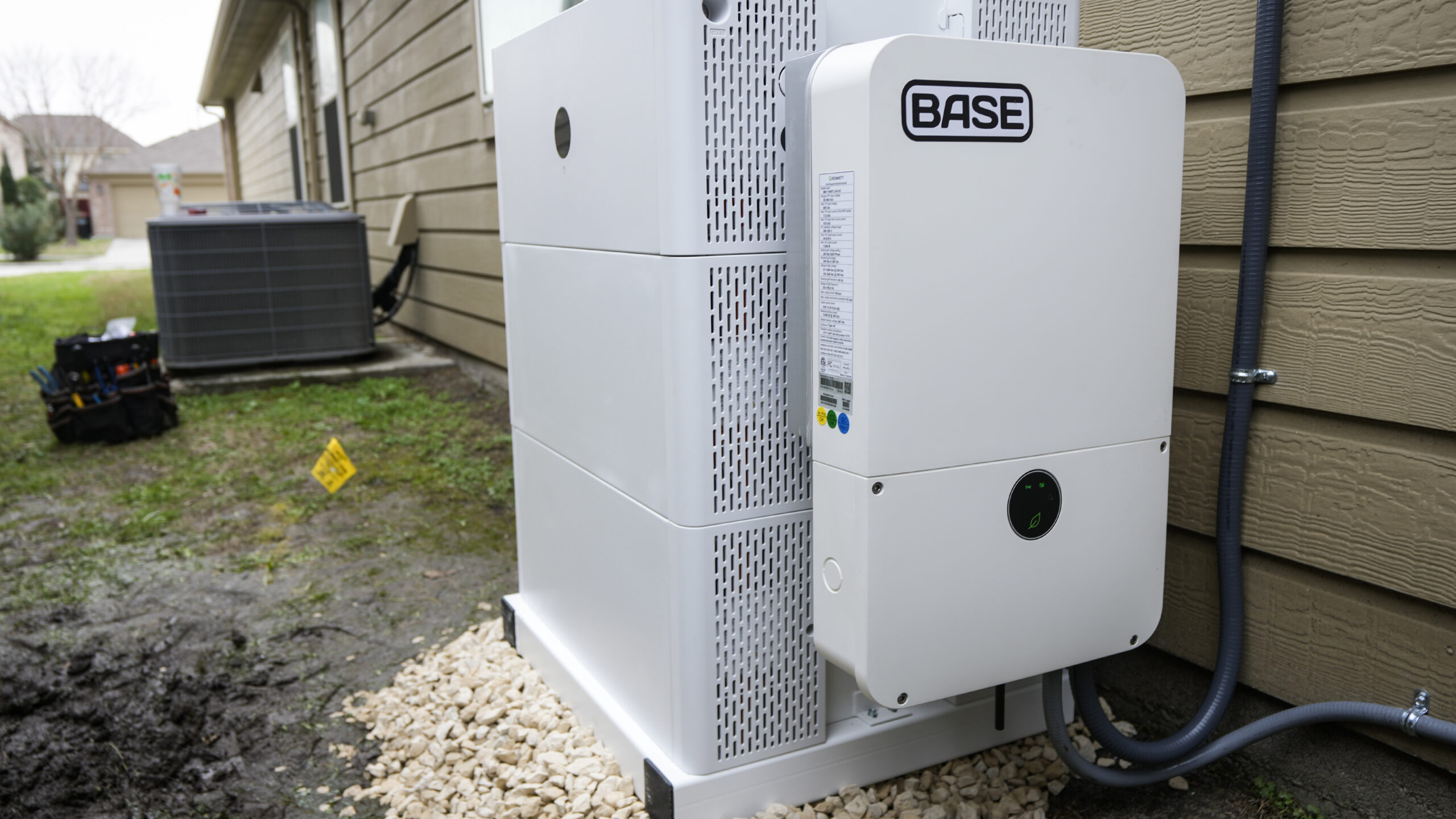
U.S. homeowners installed a record amount of home battery capacity in early 2026 as electricity bills rose and state programs made storage more attractive. The growth could give utilities a larger pool of distributed power to draw from during periods of high demand, according to federal data and industry reports.
New residential battery installations reached 673 megawatts in the first quarter of 2026, according to the U.S. Energy Information Administration. Bloomberg News reported that the increase was concentrated in states with high power prices and policies designed to encourage homeowners to add batteries.
Battery systems are often paired with rooftop solar because they let households use stored solar power after dark. Bloomberg reported that California and Hawaii made up most of the new residential storage additions, while Texas and Arizona also posted sharply higher installation totals.
State incentives differ by market. Bloomberg reported that California gives solar customers better compensation for electricity sent to the grid after sunset if they also have batteries. Hawaii pays homeowners $400 for each kilowatt of battery storage they install, according to Bloomberg.
The storage surge came as the residential solar market slowed. Ars Technica reported that the slowdown followed the Trump administration and Republican-backed One Big Beautiful Bill ending a 30% federal tax credit for homeowners installing solar panels.
Solar generation in the U.S. has still continued to grow. Ars Technica reported that solar power surpassed coal-fired generation in April.
Higher utility bills are another factor behind the demand for storage. The Energy Information Administration said the national average residential electricity price in April 2026 was more than 7% higher than in April 2025.
Home batteries can reduce costs when paired with systems that charge during cheaper periods and discharge when prices rise. That use is especially relevant in markets where utilities charge more during peak demand hours.
Utilities and power companies also see a grid resource in those batteries. Virtual power plant programs link many household batteries and coordinate when they store or release electricity, while paying homeowners for taking part.
Some companies have built their customer offers around that model. Canary Media reported that Austin-based Base Power sells heavily discounted home batteries and discounted electricity rates in exchange for the ability to manage its fleet as a virtual power plant.
The amount of U.S. home battery capacity enrolled in virtual power plants rose 153% in 2025, according to Yale E360. The publication also cited a July 2025 demonstration showing that 100,000 home batteries could deliver more power than a large gas peaker plant.
Data center operators are another potential customer for distributed home storage as artificial intelligence facilities add to U.S. electricity demand. On June 24, Sunrun, Renew Home and Tesla announced a deal to combine “hundreds of thousands” of home battery systems operated by Sunrun and Tesla into what the companies called the country’s largest distributed power plant.
The companies said the combined system could provide more than 16 gigawatts of power to hyperscale data centers and utilities. Separately, Ars Technica reported that San Francisco startup SPAN has proposed putting data center servers in suburban homes, with residential batteries and possibly solar panels used for backup power.
This story draws on original reporting from Ars Technica.