
Israeli opposition fault Netanyahu’s war management, not war aims
At the Herzliya Conference, leading Netanyahu rivals criticized his conduct of wars while backing much of Israel’s regional military policy.
By Lucas Ferreira · Science & Environment Writer
3 min read
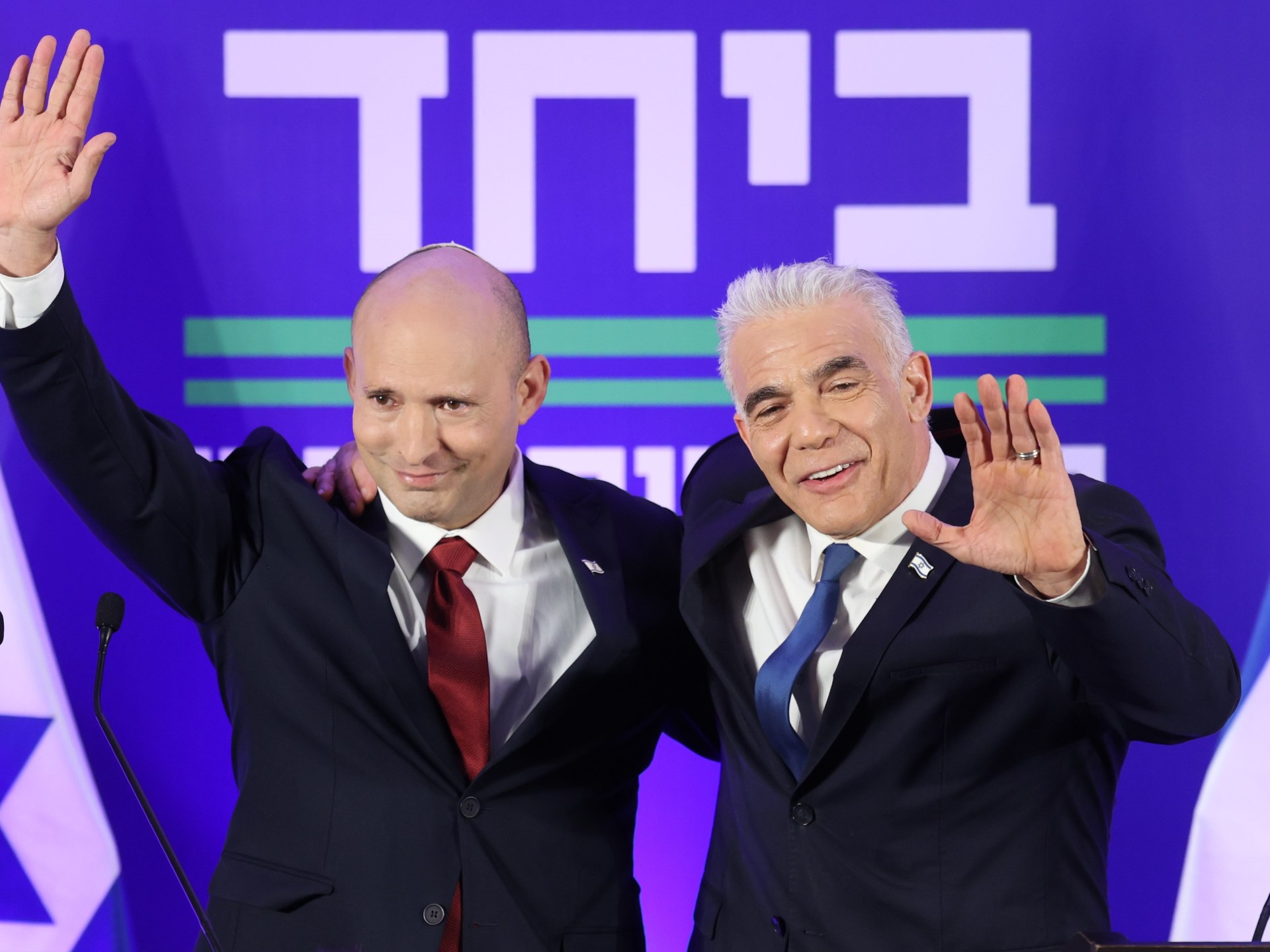
Israel’s main opposition figures used the Herzliya Conference to present themselves as an alternative to Prime Minister Benjamin Netanyahu, but analysts cited by Al Jazeera said their foreign policy differs more in tone than in substance. The distinction matters ahead of elections expected later this year, with Netanyahu’s rivals seeking to capitalize on public frustration without rejecting Israel’s wars in Gaza, Lebanon and Iran.
Former military chief Gadi Eisenkot and former prime ministers Yair Lapid and Naftali Bennett spoke Wednesday at Reichman University, according to Al Jazeera. The report said none of the three offered broad criticism of the wars themselves, focusing instead on Netanyahu’s handling of them and on what they described as his dependence on US President Donald Trump.
Bennett, who has joined Lapid in an electoral bid against Netanyahu, argued that Israel should wage its campaigns more effectively. “After a thousand days of war, the truth must be told: Hamas is rearming in the south, Hezbollah is growing stronger, attacking our soldiers and threatening our citizens, and the head of the octopus, the regime in Tehran, remains standing,” Bennett told the conference.
Al Jazeera reported that Eisenkot, who polling has placed among possible successors to Netanyahu, accused the prime minister of overstating Iran’s nuclear threat. The report said Eisenkot still supported the basic direction of Israel’s military campaigns in Gaza, Lebanon and Iran.
Criticism focused on conduct
Lapid and other opposition figures have argued that Israel is more isolated abroad and is viewed by foreign governments as more extreme and unstable, according to Al Jazeera. The report said criticism of Israel by world leaders has grown, while public opinion in the United States has shifted away from its traditional support for Israel.
Netanyahu, for his part, has continued to use a hard-line security message. Speaking Thursday on Israel’s Channel 14, he said: “It will never end. Listen to me: It will never end. You want to live? You want to live in the Middle East, and, in general, in the world? Be strong. And we are very strong.”
Aida Touma-Sliman, a parliamentarian from the left-wing Hadash Party, told Al Jazeera that the mainstream opposition shares Netanyahu’s core positions on Gaza, Lebanon and Iran. She said their disagreements are mainly about domestic matters and about how Netanyahu has conducted the wars.
Al Jazeera reported that Israeli attacks on Iran and Lebanon have drawn broad domestic support. On Gaza, the report said Israeli polling has largely centered on the enclave as a security threat, while also citing more than 73,000 Palestinian deaths, famine and a UN inquiry that accused Israel of deliberately targeting children as part of genocide.
October 7 remains central
Yehouda Shenhav-Shahrabani, an Israeli sociologist, told Al Jazeera that Bennett, Lapid and Eisenkot reflect the direction of Israeli society after the Hamas-led October 7, 2023, attack. Al Jazeera reported that the attack killed 1,139 people and led to the abduction of about 250 others.
Shenhav-Shahrabani said the opposition backed the war with Iran and the war in Lebanon, while faulting Netanyahu for failing to account for Trump’s unpredictability and for not pursuing a political arrangement with Lebanon. He also criticized opposition parties for excluding lawmakers who represent Palestinian citizens of Israel.
Nimrod Goren, president and founder of Mitvim, told Al Jazeera that Netanyahu’s rivals still offer an alternative to his personalized style of politics. He said many Israelis have moved right since October 7, but that being right-wing and supporting Netanyahu are no longer the same thing.
Goren said the October 7 attack changed Israelis’ sense of security and reduced belief in a Palestinian partner for peace. If the opposition wins, he told Al Jazeera, it will have to balance military force with diplomacy, dialogue and agreements.
This story draws on original reporting from Al Jazeera.