
Gene megacluster points to a new route for antibiotic discovery
Researchers found a Streptomyces gene system that attacks biotin production in bacteria through multiple coordinated molecules.
By Hana Yoshida · Markets Reporter
3 min read
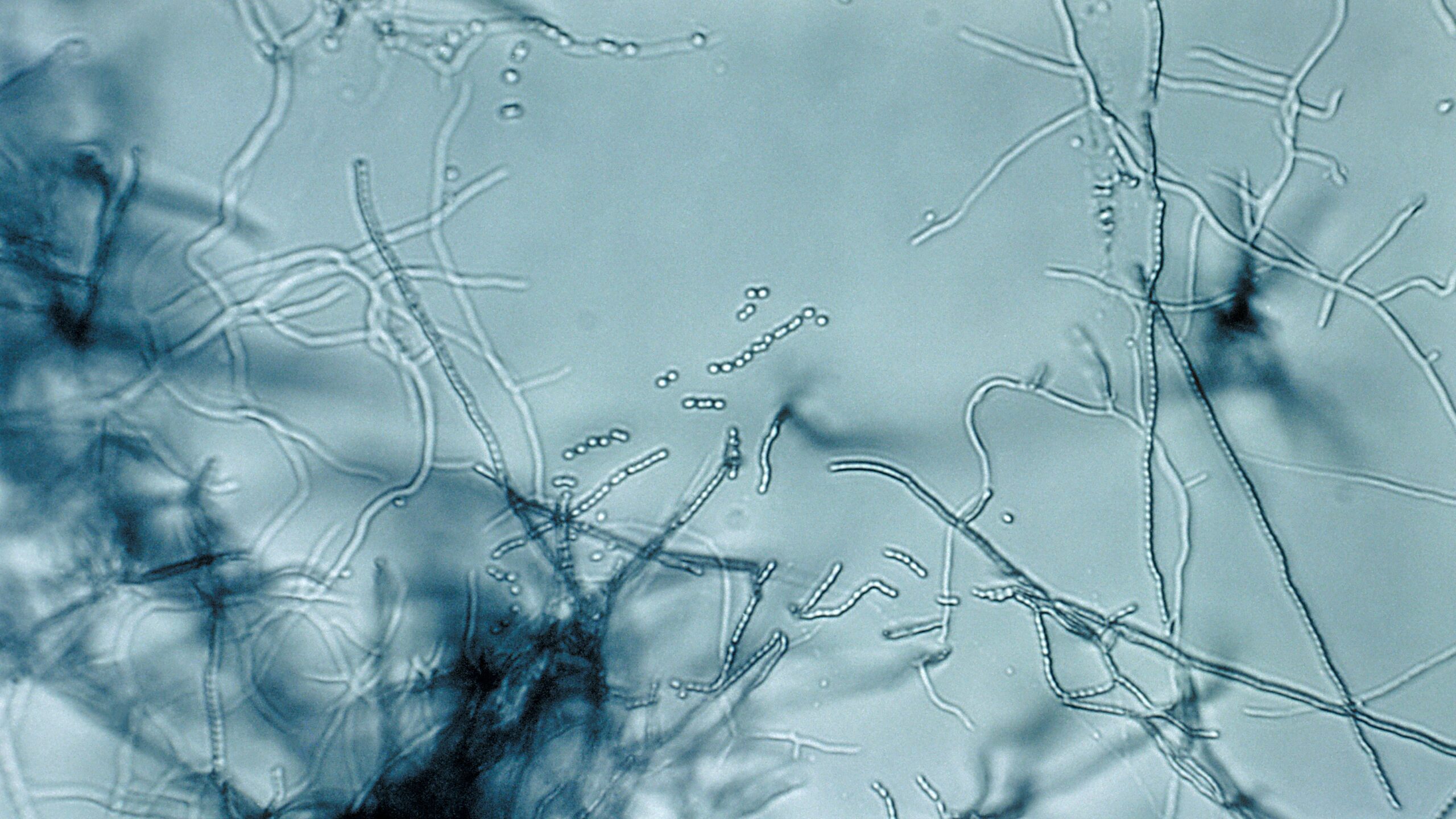
Scientists have identified a large bacterial gene system that produces several compounds targeting the same vital pathway in other microbes, according to a study published in Nature. The finding could give antibiotic researchers a new way to search genomes for natural drug combinations at a time when resistance has weakened many existing treatments.
The work was led by biomedical researcher Eric Brown at McMaster University in Ontario. His team found what the researchers call a “megacluster” in Streptomyces, a group of soil bacteria long known as a rich source of antibiotic compounds.
More than 80% of antibiotics used in clinics are based on natural products made by microbes, according to the report. Those molecules evolved as bacteria competed with one another for space and nutrients, but researchers have struggled in recent years to find enough new ones to keep pace with drug-resistant infections.
A coordinated attack on biotin
The megacluster described by Brown and colleagues contains four gene clusters that produce four separate molecules. Rather than acting as stand-alone weapons, the molecules appear to interfere with different parts of the pathway bacteria use to make biotin, also called vitamin B7.
Biotin is needed by many human pathogens for growth and virulence, according to the Nature study. It helps key metabolic enzymes function, and although some bacteria can obtain biotin from their environment, the nutrient is often limited.
The researchers reported that three of the gene clusters produce antibiotic molecules called stravidins, acidomycins and dapamycins. Each targets a different enzyme involved in biotin biosynthesis. A fourth cluster produces 2-methyl-7-keto-8-aminopelargonic acid, or α-Me-KAPA, which appears to imitate a biotin precursor and steer the pathway toward a nonfunctional lookalike.
The megacluster is also bordered by genes for streptavidin, a protein that binds biotin, according to commentary in Nature by Steven Rutherford, a microbial sciences expert at Genentech. Together, the system amounts to a multi-part assault on biotin availability and production.
Why the discovery stood out
Streptomyces species have been studied for decades and have yielded major antibiotics, including streptomycin, which was discovered in the 1940s. Brown’s team nevertheless found that this larger genetic system had gone unnoticed, possibly because laboratory bacteria are often grown in nutrient-rich conditions that can obscure pathways tied to nutrient scarcity.
Rutherford wrote in Nature that the discovery advances efforts to rebuild the antibiotic pipeline and shows how genome mining can uncover both new antibacterial natural products and ways to use them. He noted that researchers usually look for biosynthetic gene clusters that make single compounds, while this work points to larger systems that encode coordinated combinations.
In laboratory tests and mouse experiments, the Nature study reported that products from the megacluster could kill several kinds of bacteria. The compounds were more powerful when used together, according to the researchers.
Rutherford cautioned that the work is still far from a clinical antibiotic regimen. Any drug approach based on the discovery would require further basic research, changes to make the molecules suitable for use in people, and safety and efficacy trials.
The study’s broader message is that bacteria may already carry evolved combination therapies in their genomes. Brown and colleagues said similar megaclusters could offer new leads for fighting antimicrobial resistance as genome-mining tools improve.
This story draws on original reporting from Ars Technica.