
Florida law bars local governments from net-zero climate policies
HB 1217 takes effect July 1 and restricts cities and counties from adopting net-zero goals, carbon fees or emissions-trading programs.
By Maya Lindqvist · Senior Technology Correspondent
3 min read
Florida has enacted a law blocking local governments from pursuing net-zero emissions policies, narrowing what cities and counties can do on climate and energy. The measure matters because several large Florida communities have used those goals to guide decisions on utilities, buildings and vehicle fleets.
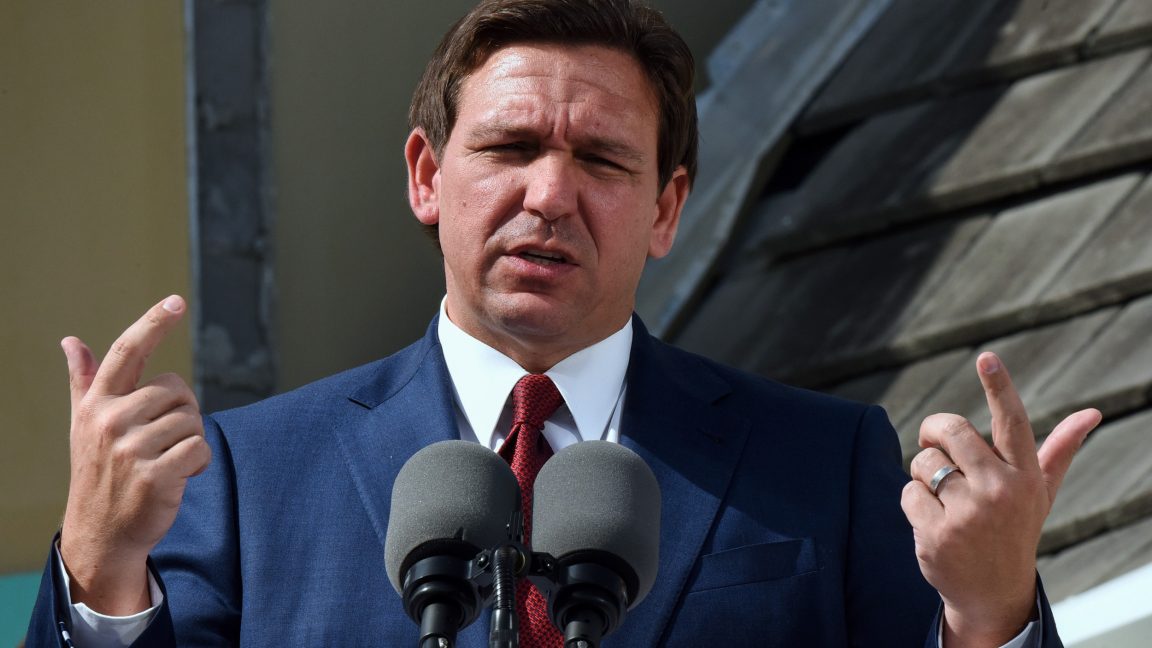
HB 1217, signed by Republican Gov. Ron DeSantis on April 22 and set to take effect July 1, says local governments may not adopt net-zero policies, carbon taxes or emissions-trading programs. The law declares those approaches harmful to Florida’s energy security and economic interests and inconsistent with state energy and environmental policy.
The measure also requires cities and counties to file an annual affidavit with the state Department of Revenue confirming compliance. According to Inside Climate News, at least 10 Florida cities and counties have pursued net-zero policies, including Fort Lauderdale, Miami, Orlando and Leon County, which includes Tallahassee.
Rep. Berny Jacques, the Clearwater Republican who sponsored the bill, said in a statement from his office that the legislation was meant to protect jobs and affordability. Jacques said carbon taxes and fees should not be allowed in Florida and described the targeted policies as tied to the Green New Deal.
Environmental advocates said the law is part of a broader effort by state leaders to limit climate policy. Bradley Marshall, a senior attorney at Earthjustice, told Inside Climate News the law appears designed to discourage local officials, though he said its exact reach may be contested. Marshall said emissions-reduction work and other climate-related policies may not violate the statute if they do not amount to a net-zero policy.
The law goes beyond formal climate targets. HB 1217 prevents local governments from buying vehicles, appliances or other goods based on the fuel they use or how they were produced. It also bars local governments from joining carbon-trading programs, spending public money to support organizations with net-zero policies, or imposing taxes and fees linked to carbon emissions.
DeSantis signed another energy law in 2024 that removed several references to climate change from state law, according to Inside Climate News. That earlier measure also reshaped Florida’s energy policy around reducing reliance on foreign energy sources and hardening infrastructure against natural and human-caused threats, while eliminating goals for expanded renewable energy use.
Scientists cited by the Intergovernmental Panel on Climate Change have found that emissions from fossil fuels have driven global warming since the industrial era, with effects that include more severe weather risks. A study published in Nature also concluded that researchers can now connect some individual emitters to specific climate-related harms for litigation purposes.
Orlando’s municipal utility, the Orlando Utilities Commission, announced in 2020 that it would seek net-zero emissions by 2050. OUC told Inside Climate News it is aware of the new law and remains focused on reliable and affordable power while reducing carbon dioxide emissions, including goals of cutting emissions 50 percent by 2030 and 75 percent by 2040.
Other Florida communities with 2050 net-zero goals include Boca Raton, Fort Lauderdale, Broward County and Miami-Dade County, according to Inside Climate News. Miami, Miramar, Pinellas County and Sarasota have similar targets.
Leon County has already changed course in response to HB 1217. County leaders rescinded a 2023 climate emergency resolution, pulled back plans to phase out fossil fuel-powered vehicles and removed a recycled-paper requirement from a policy. The county’s Paul Russell Road facility, described by the county as the first government retrofit building in the country to earn net-zero certification, will lose that certification, though its solar and efficiency systems will keep operating.
Susan Glickman, vice president for policy and partnerships at The CLEO Institute, told Inside Climate News she fears the law will discourage other local clean-energy policies. She said higher energy costs would hit low-income residents especially hard at a time when housing, food and insurance costs are also elevated.
This story draws on original reporting from Ars Technica.