
Supreme Court rejects Trump order limiting birthright citizenship
The 6-3 ruling preserves citizenship for people born in the U.S. and blocks a central immigration move from Trump’s second term.
By James Whitfield · Staff Writer
2 min read
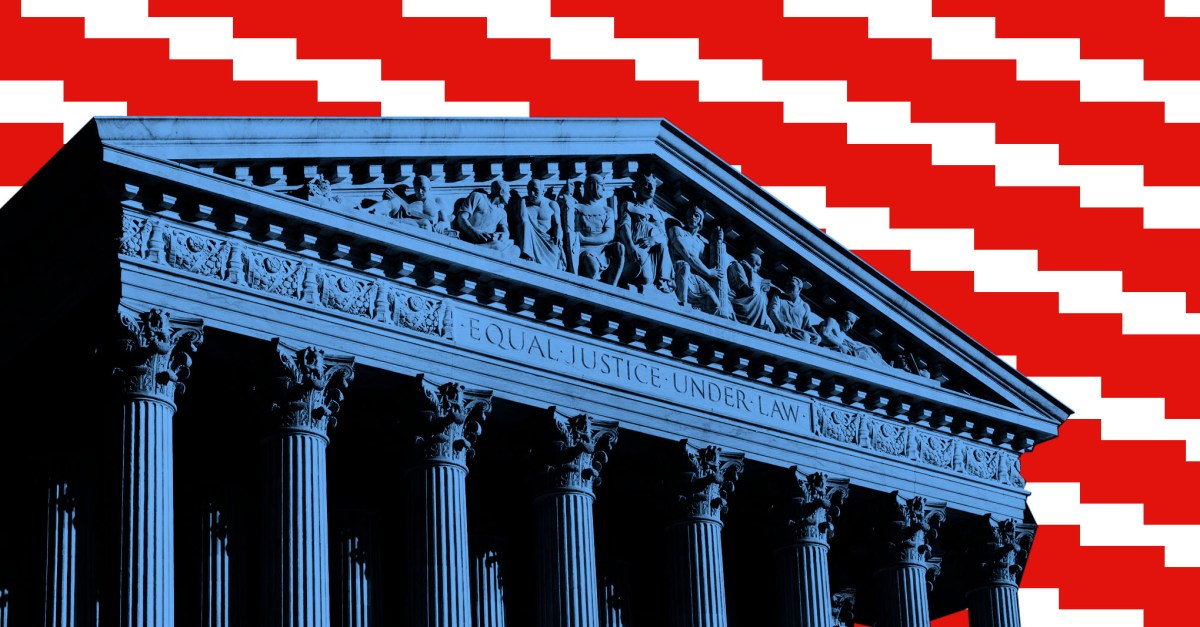
The Supreme Court ruled 6-3 against President Donald Trump’s attempt to end birthright citizenship by executive order, preserving a constitutional rule that grants citizenship to people born in the United States. The decision matters because Trump’s order would have changed the legal status of children born in the country to noncitizen parents, according to The Verge.
The case centered on the 14th Amendment, which was adopted after the Civil War. The amendment, ratified in 1868, says that people born in the United States “and subject to the jurisdiction thereof” are citizens, according to The Verge.
Trump signed the executive order, called “Protecting the Meaning and Value of American Citizenship,” within hours of being sworn back into office in early 2025, The Verge reported. Legal challenges followed soon after, sending the dispute toward the Supreme Court.
The administration defended the order by arguing that the children of noncitizens do not fall under the amendment’s citizenship language. Solicitor General D. Sauer told the Supreme Court that noncitizens and their children are not “subject to the jurisdiction” of the United States because their allegiance is to another country, according to The Verge.
The order would not have stripped citizenship from people already born in the United States, The Verge reported. Instead, it would have applied to children born 30 days after the order was issued.
The potential reach was broad. The Migration Policy Institute estimated that about 250,000 children are born in the United States each year to noncitizen parents, according to The Verge.
Justices split over the order
Some conservative justices questioned the administration’s reading of the 14th Amendment during arguments, according to The Verge. After Sauer said the amendment should be reconsidered because the country has changed since Reconstruction, Justice Neil Gorsuch responded, “it’s the same Constitution.”
Gorsuch later joined Justice Clarence Thomas’s dissent and wrote separately, The Verge reported. Justice Samuel Alito also dissented.
The ruling leaves intact a citizenship rule rooted in the Reconstruction era. According to The Verge, the amendment was designed to guarantee citizenship and equal protection to the children of formerly enslaved people, and its birthright citizenship language has remained central to U.S. constitutional law since then.
This story draws on original reporting from The Verge.