
Study identifies METTL3 role in breast cancer spread
Umeå University researchers report that METTL3 helps breast cancer cells export proteins tied to invasion and metastasis.
By Tom Brennan · Health & Medicine Correspondent
3 min read
Researchers at Umeå University have identified a role for the protein METTL3 in helping breast cancer cells spread, according to a study published in Science Advances. The finding could affect how future treatments target METTL3, a protein already under study in cancer drug development.
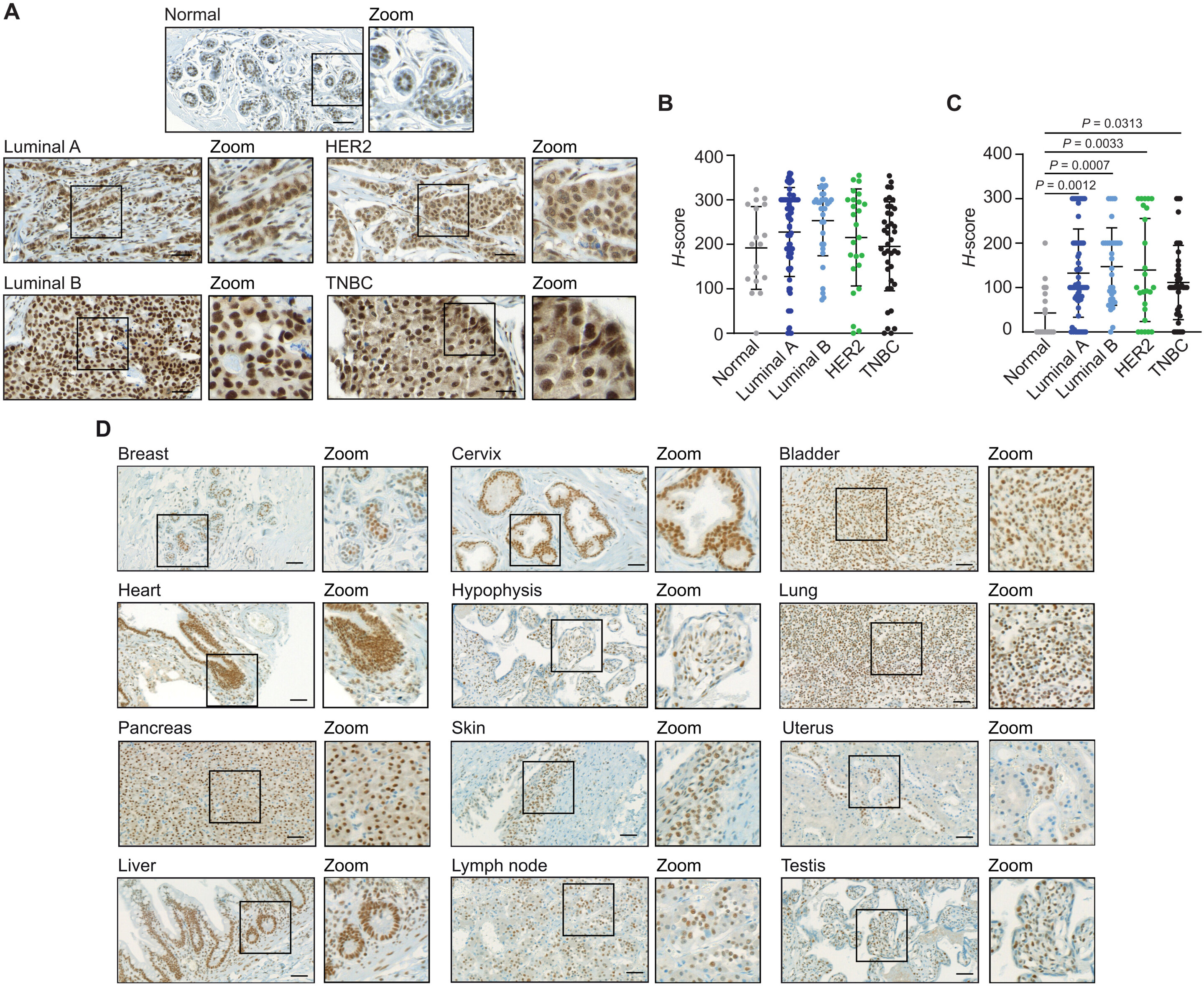
The team reported that METTL3 does more than regulate RNA chemistry inside cells. In breast cancer cells, the protein can move from the nucleus into the cytoplasm, where it becomes involved in the machinery cells use to send molecules out into their surroundings, Umeå University said.
METTL3 is known for adding chemical marks to RNA, a process that helps influence gene activity. Abnormal METTL3 activity has been associated with several cancers, and drugs aimed at its enzymatic function are being tested in clinical trials, according to the university.
The new work points to another function. The researchers found that when METTL3 is present in the cytoplasm of breast cancer cells, it supports a transport process that increases the release of proteins linked to tissue invasion and cancer spread.
Protein relocation tied to cell invasion
According to the study, METTL3 is misplaced in breast cancer cells compared with its usual position in the nucleus. Once in the cytoplasm, it helps an export system that cancer cells use to shape the tissue around them.
When researchers removed METTL3, the cells released fewer proteins associated with invasion. Umeå University said those cells also became less invasive and lost part of their ability to break down surrounding tissue.
The team also found that blocking only METTL3’s enzyme activity did not produce the same effects. That result suggests METTL3 can promote cancer spread through a mechanism separate from its role in RNA modification, according to the researchers.
Margalida Esteva Socias, a research assistant in Umeå University’s Department of Molecular Biology and co-first author of the study, said the work shows METTL3 has another function that may be as relevant to cancer progression as its established RNA-related role.
Possible implications for treatment
The researchers also reported that lowering METTL3 levels reduced tumor growth and postponed the development of lung metastases. The university did not describe the finding as a treatment result, but said it offers new insight into how breast cancer cells alter their surroundings to invade tissue and spread.
Francesca Aguilo, an associate professor in the Department of Molecular Biology at Umeå University and the study’s principal investigator, said the findings indicate that some cancers may require approaches that remove METTL3 itself or disrupt the protein’s cellular interactions, rather than strategies aimed only at blocking its enzyme activity.
The study, titled “METTL3 regulates exocytosis independently of m6A,” was led by Margalida Esteva-Socias and colleagues and published in Science Advances. Umeå University said the next step is to determine how METTL3 moves out of the nucleus and whether the same process occurs in other cancers.
This story draws on original reporting from Medical Xpress.