
Fitbit Air review sees useful AI coaching with software caveats
The Verge rated Google’s $99 Fitbit Air an 8, praising its comfort and battery life while saying its AI health coach still needs careful use.
By Hana Yoshida · Markets Reporter
3 min read
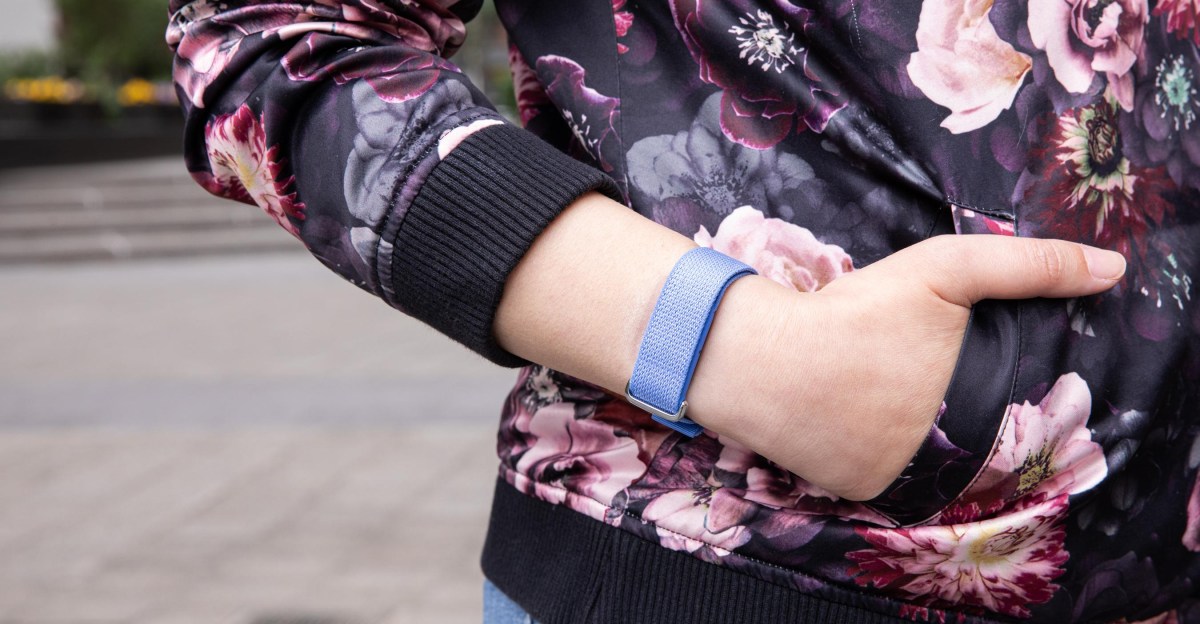
Google’s $99 Fitbit Air drew a positive review from The Verge for combining lightweight fitness tracking with an AI health coach that can offer useful guidance when used carefully. The review matters because it shows Google pushing Fitbit further into AI-assisted health advice while its Google Health software remains unfinished.
The Verge’s Victoria Song said she spent a month testing the Fitbit Air, a screenless health and fitness tracker sold through Google, Amazon and Best Buy for about $100. The publication gave the device an 8 out of 10.
Song reported that the hardware was the least complicated part of the experience. She described the device as very light and comfortable, credited it with strong battery life, and said her main hardware complaint was that the color sold as “lavender” looked closer to periwinkle.
AI coach reads recovery signals
The review focused more on Google’s Health Coach, which uses Fitbit data to give training and wellness suggestions. Song said the coach flagged weak sleep, a low readiness score and heart rate variability below her baseline during testing.
According to The Verge, the coach also factored in environmental conditions, warning that Song was spending too much time in heat and humidity as temperatures rose above 90 degrees Fahrenheit. Based on those signals, it advised her to skip planned strength workouts, drink water, avoid the heat and try to get some steps instead.
Song said the coach also asked follow-up questions, including whether her calves felt strained and how she felt about the assessment. The review framed that exchange as a mixed experience: the recommendations could be relevant, but the system required user judgment rather than blind trust.
What The Verge liked and disliked
The Verge’s review listed the Fitbit Air’s biggest strengths as battery life, comfort, low weight and price. Song also noted that users who do not want AI coaching still benefit because regular tracking data is no longer behind a paywall, according to the review.
The main drawbacks centered on software. The Verge said the Google Health app still has problems to fix, and Song wrote that AI health coaches need a lot of user input to produce their best results.
- The Fitbit Air costs about $100, according to The Verge’s review listings.
- The tracker works with Android and iOS, according to retail listing text cited on The Verge’s review page.
- The Verge scored the device 8 out of 10.
- The review said the AI coach can be helpful when used with care.
Song concluded that Google Health remains a work in progress, while calling the Fitbit Air one of the stronger attempts at an AI-ready health tracker. The review’s broader takeaway was cautious approval: the device succeeds on comfort and value, while its AI features still depend on careful handling by the person wearing it.
This story draws on original reporting from The Verge.