
Nanobubbles deployed against algae in Lincoln Memorial pool
Officials turned to ozone-filled ultrafine bubbles after algae turned the renovated Reflecting Pool green ahead of July 4 events.
By Tom Brennan · Health & Medicine Correspondent
3 min read
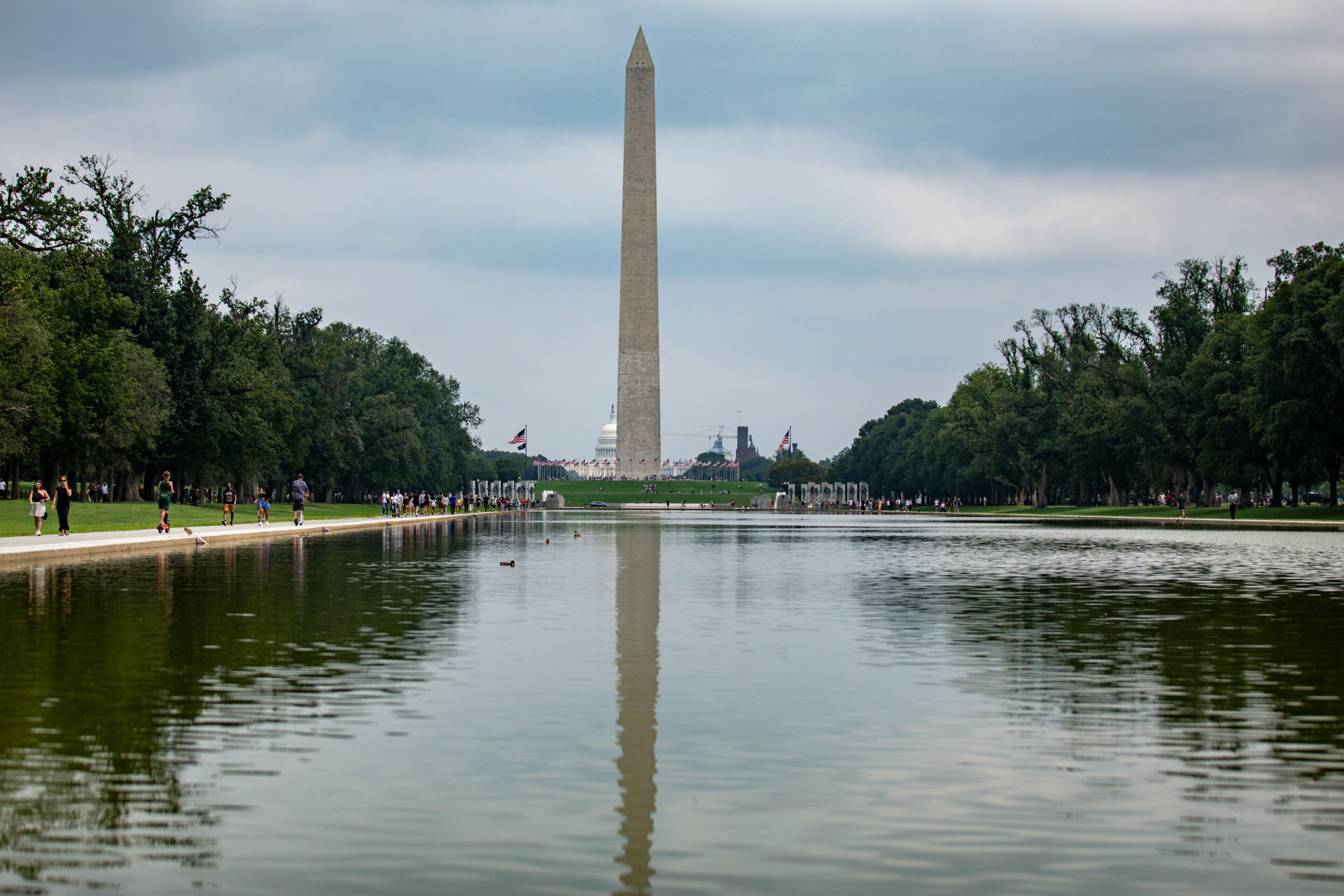
Washington officials have used ozone nanobubble treatment on the Lincoln Memorial Reflecting Pool after an algal bloom turned the newly renovated water feature green. The treatment is drawing attention because it can clear algae quickly, while also raising questions about how long the fix will last.
The bloom appeared soon after renovation work was completed, according to The Conversation, which published an explanation by researchers Vince Craig and Noura Alzaidan. ABC News reported that officials used ozone nanobubble technology as one of the responses to the problem.
The timing has added pressure. The Conversation reported that Washington’s monuments, statues and fountains are being prepared ahead of July 4 events marking the United States’ 250th birthday.
What nanobubbles are
Nanobubbles, also called ultrafine bubbles, are gas bubbles far smaller than ordinary bubbles. Craig and Alzaidan wrote that they are often about 100 nanometers across, roughly one-thousandth the thickness of a human hair.
Special equipment can inject gases such as air, oxygen or ozone into water to create them. The Conversation said treated water can contain about 10 billion nanobubbles in a teaspoon, even though the water still looks and feels unchanged.
Their small size gives them unusual behavior. According to research cited by The Conversation, nanobubbles can remain in water for hours, days or even weeks, despite the high pressure inside them that would normally be expected to make them dissolve quickly.
Craig and Alzaidan wrote that the reasons for that stability are still being studied. Their durability is also part of their appeal, because it lets gases remain dispersed in water rather than escaping rapidly into the air.
Why they are used in water treatment
Nanobubbles can carry different gases, and the choice of gas affects what they do. The Conversation said oxygen nanobubbles are commonly used to add oxygen to water, which helps aerobic bacteria grow.
Those bacteria can consume organic nutrients that algae rely on, helping restrain blooms in still or slow-moving water exposed to sunlight. Craig and Alzaidan said those are the kinds of conditions in which green algae can thrive.
Ozone nanobubbles work differently. Ozone is a reactive gas made of three oxygen atoms, and The Conversation said it can break down organic material in water, killing algae and reducing the nutrients that feed it.
That strength comes with a trade-off. Craig and Alzaidan wrote that ozone nanobubbles can also kill beneficial aerobic bacteria, removing organisms that might otherwise help keep algae under control over time.
What comes next for the pool
The Conversation said ozone nanobubbles can be useful for heavily contaminated water, including water affected by animal waste. In the Reflecting Pool, the treatment can address the visible bloom quickly, but it may leave the pool vulnerable to another bloom unless nutrients are controlled.
The Reflecting Pool is also set to be drained again, according to ABC Australia and PBS NewsHour reports cited by The Conversation. Those reports said the work is meant to address both the algae and a rapidly peeling new coating.
Craig and Alzaidan wrote that it remains unclear what condition the pool will be in by July 4, or whether authorities will use oxygen nanobubbles to support a healthier water environment after the stronger ozone treatment.
This story draws on original reporting from Phys.org.