
FireSat wildfire-spotting satellites reach orbit
Three operational FireSat satellites launched from California and are expected to start sending wildfire data to agencies this year.
By Maya Lindqvist · Senior Technology Correspondent
3 min read
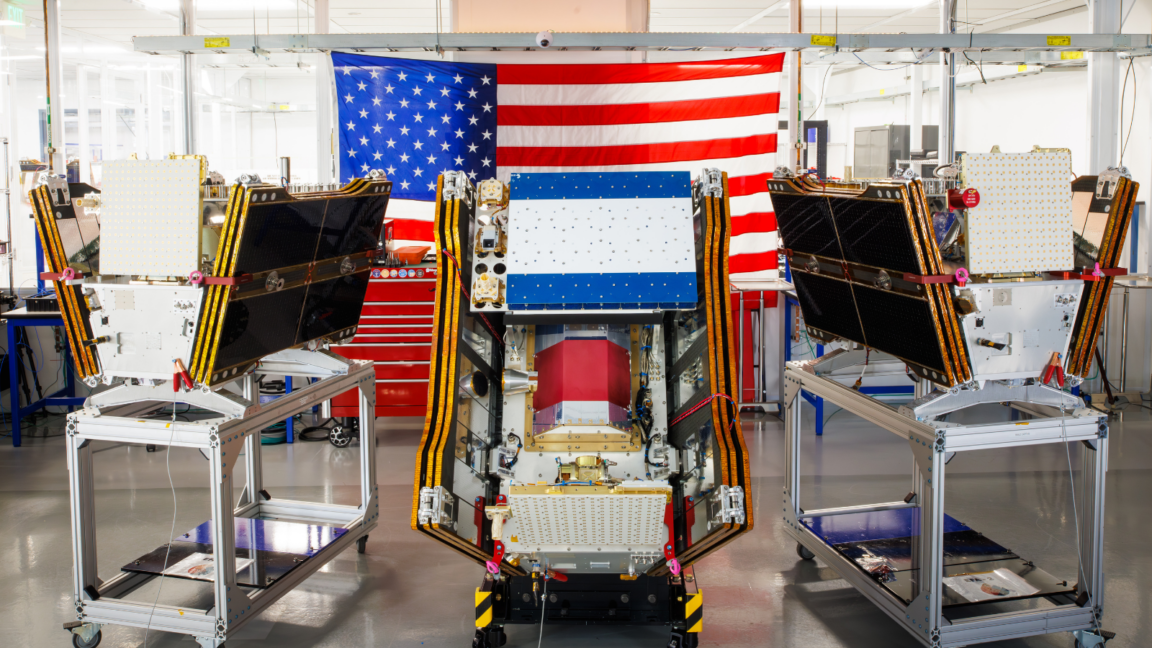
The first three operational satellites in the FireSat wildfire-detection program have reached orbit, giving fire agencies a new tool aimed at finding small blazes before they spread. Earth Fire Alliance, the nonprofit managing the constellation, says the spacecraft are expected to start supplying data this year after testing.
The microsatellites launched July 7, 2026, on a SpaceX Falcon 9 from Vandenberg Space Force Base in California. Earth Fire Alliance described the mission as the start of FireSat’s “initial operational capability,” with a three-month checkout planned before the satellites begin operational service.
FireSat is backed by Google and built by California satellite maker Muon Space. Google says it has provided more than $15 million for the program’s early deployment, while the Bezos Earth Fund has announced a $26 million commitment.
Earth Fire Alliance says FireSat is the first satellite constellation designed specifically for wildfire detection. The group says each satellite carries multispectral imaging sensors that can look through smoke and clouds and identify fires as small as 5 by 5 meters, or about 16 by 16 feet.
A FireSat demonstration satellite launched in March 2025 collected more than 1 million images, according to Muon Space and Earth Fire Alliance. The organizations said that test spacecraft showed it could detect lower-intensity fires that existing satellites did not see.
Fire agencies in California, Colorado, Australia and Portugal are among the early users expected to receive FireSat data this year, according to Earth Fire Alliance. After the initial three satellites finish testing, the program says it will cover every fire-prone region at least twice daily, with service in the United States, Australia and Europe expected before year’s end.
The program’s longer-term goal is faster global coverage. Earth Fire Alliance says additional launches are intended to bring image updates anywhere on Earth to an hourly pace by 2029, and to about every 20 minutes after a full constellation of more than 50 satellites is in orbit in the early 2030s.
Google Research says it plans to apply its AI models to FireSat data by comparing new imagery with historical images to identify small fires and support wildfire prediction work. Google called the launch a step toward using AI for climate resilience.
The need for earlier detection is visible across Canada and the United States this summer. The Canadian Wildland Fire Information System reported nearly 900 active wildfires in Canada as of July 17, with more than 3,600 fires so far this year burning more than 6.6 million acres.
The Guardian reported that smoke from Canadian fires has brought hazardous air pollution to more than 100 million people in Canadian and U.S. cities. Native News Online reported that fast-moving fires have forced evacuations in First Nations communities.
Climate change is making the fire problem harder, according to climate and forest researchers cited by The Atlantic and the Canadian Climate Institute. The institute says 2023 and 2025 were among Canada’s most destructive wildfire seasons, and that the last three seasons ranked among the country’s 10 worst on record.
FireSat will not replace firefighting resources on the ground or in the air. Canadian provinces typically carry much of the responsibility for buying or contracting aerial firefighting aircraft, according to The Conversation, and Canada’s federal government said this year it leased 10 aircraft and two support assets for surge capacity.
The AI systems that Google says will help process FireSat data also carry energy demands. Google has acknowledged the difficulty of adding enough clean power for its expanding data-center needs, and reported that companywide electricity use rose 37 percent in 2025.
This story draws on original reporting from Ars Technica.