
Federal grazing rule rewrite would narrow public role on Western lands
The Bureau of Land Management proposal would revise grazing rules for 155 million acres, with ranchers praising flexibility and critics warning of weaker oversight.
By Hana Yoshida · Markets Reporter
4 min read
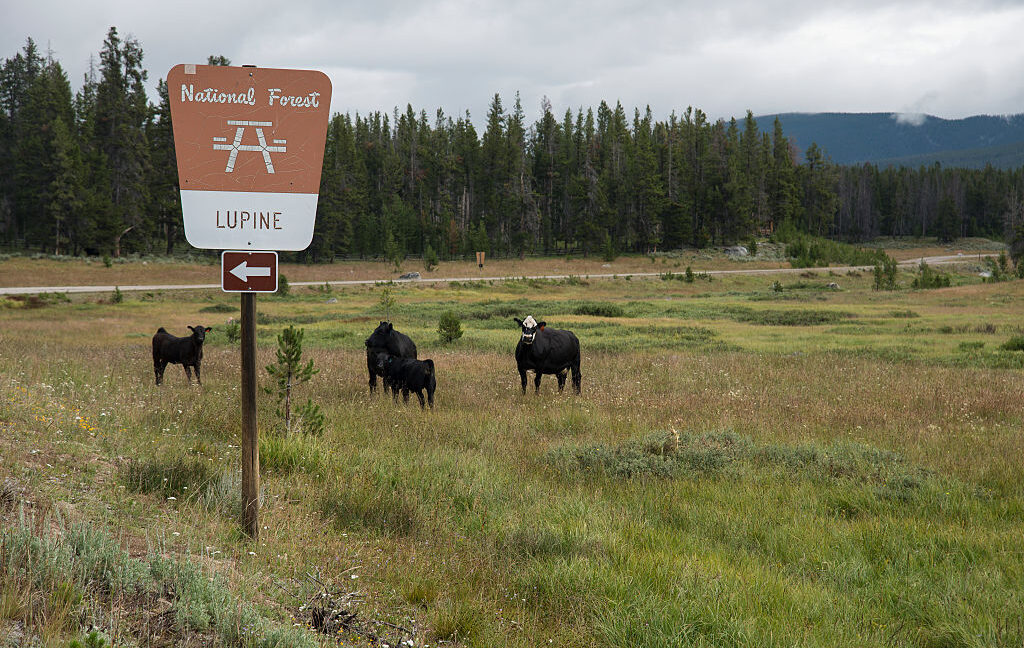
The Bureau of Land Management is proposing the first major rewrite of federal grazing rules since 1995, a change that could put more cattle, sheep and other livestock on 155 million acres of public land in the West. The plan matters because it would also reduce the public’s role in decisions about who can graze animals on federal rangelands and under what conditions.
The Interior Department bureau released the proposed regulations in May and said in a June announcement that the revisions reflect the Trump administration’s goal of cutting “unnecessary regulatory burdens,” supporting working lands and strengthening local economies. The agency did not answer questions from ProPublica and High Country News about the proposal, which is scheduled to return to the agency for further review after public comment closes in mid-July.
ProPublica and High Country News reported last year that the federal grazing system, which dates back nearly a century, heavily subsidizes ranchers and has not adequately addressed environmental harm. Their reporting found that in 2024 the federal government charged ranchers $284 million below market rates for grazing on public lands.
Public role would shrink
Current and former BLM employees told ProPublica and High Country News that the draft rules would narrow the points at which members of the public can receive notice, comment or object to grazing decisions. One unnamed BLM employee who works on rangeland management said the agency appeared to be trying to limit involvement by anyone other than ranchers.
The proposal would change the definition of “interested public,” requiring people or groups to show a “cognizable” interest in the grazing decision at issue. A former senior BLM official told ProPublica and High Country News that the term would likely raise the threshold for public participation, while environmental groups believe it could limit influence to those with business interests.
The rules would also remove a requirement that the BLM include the public in its “consultation, cooperation and coordination” process before taking actions such as authorizing grazing. Nada Culver, who served as BLM deputy director during the Biden administration, told ProPublica and High Country News that the proposal devotes extensive text to limiting public participation at nearly every step.
Ranchers see flexibility, critics see risk
Ranching groups have welcomed the rewrite. Tim Canterbury, president of the Public Lands Council, called the update “a massive step forward” in a group news release, saying current rules grew out of early-1990s opposition to livestock on public lands and constrained ranchers despite advances in science and management.
BLM employees interviewed by ProPublica and High Country News said the proposal includes some practical changes. They pointed to provisions that would require the agency to review ecological effects from all public-land uses, not just livestock grazing, and allow lower-level violations to be handled less formally. They also said the rules could resolve conflicts with court decisions and give managers more flexibility to respond to local range conditions.
Conservation groups and some public-lands experts warned that other provisions would keep livestock on land even after the BLM finds problems. Mark Squillace, a natural resources law professor at the University of Colorado Law School, told ProPublica and High Country News that unfavorable grazing decisions would be automatically paused when ranchers appeal, allowing disputed practices to continue.
Josh Osher, public policy director of the Western Watersheds Project, said the changes could lead to more cattle and sheep on public lands and greater harm to wildlife. The proposal would also make it easier to justify grazing as wildfire prevention by treating livestock as a tool for reducing vegetation that can fuel fires.
The rewrite has drawn concern from Native American tribal representatives because of language requiring livestock operations on public lands to be “production-oriented.” OJ Semans Sr., a Rosebud Sioux Tribe member and executive director of the Coalition of Large Tribes, told ProPublica and High Country News that tribes fear the wording could threaten permits for bison herds used to maintain cultural practices or restore ecosystems.
ProPublica and High Country News also reported that livestock industry groups met with Interior and Agriculture department officials before the proposal was released, while tribal and conservation representatives said they were not invited to help shape the draft. Karen Budd-Falen, a senior Interior official and longtime grazing advocate who received an ethics waiver to work on grazing policy, said in a December discussion with Sen. Cynthia Lummis that the administration was returning to Reagan-era regulations and wanted vacant allotments filled by ranchers.
This story draws on original reporting from Ars Technica.