
FDA clearance gives maggot wound therapy a second fly species
Cuprina said U.S. regulators cleared its Lucilia cuprina larvae, adding to an uncommon wound treatment with limited clinical evidence.
By Hana Yoshida · Markets Reporter
3 min read
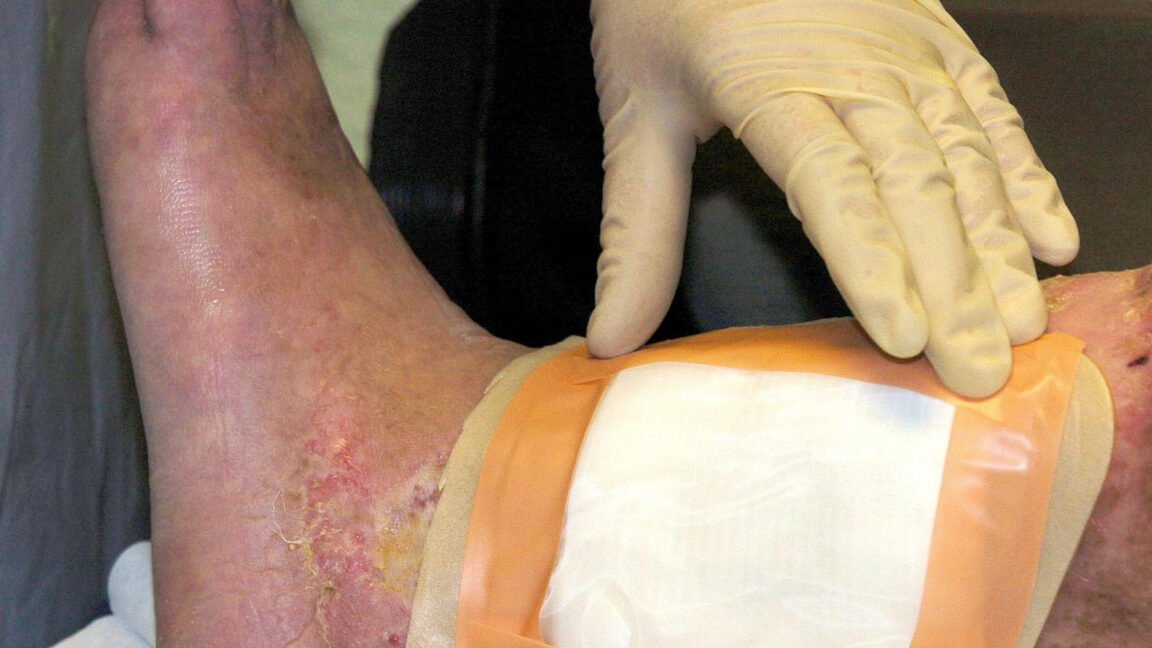
The Food and Drug Administration has cleared a second fly species for use in maggot wound therapy, according to an announcement from Cuprina Holdings. The decision gives clinicians another regulated option in a niche form of wound care that uses sterile larvae to remove dead tissue.
Cuprina, a Singapore-based company, said its product, called MediFly Maggots, uses Lucilia cuprina, also known as the Australian sheep blowfly. The company said the clearance makes it the only firm with FDA clearance to sell larvae from both species used in maggot debridement therapy.
The other cleared species is Lucilia sericata, the common green bottle fly. According to Ars Technica, the FDA first cleared that species in 2004 for Ronald Sherman, who is now Cuprina’s medical and scientific director.
Company sees different regional markets
Cuprina CEO David Quek said in a statement that the company now holds FDA clearance for both species used in the treatment, calling that a competitive advantage in a strict regulatory market. Sherman said the additional clearance strengthens the field and gives clinicians and patients more flexibility.
Cuprina did not claim that L. cuprina offers a major medical advantage over L. sericata, according to Ars Technica. The company instead described the two species as having different familiarity in different regions, with L. sericata better known in Western wound care and L. cuprina more recognized in Australia, Africa, Asia and parts of the Americas.
Maggot therapy has a long history, but Ars Technica reported that it remains outside routine use in modern medicine. Patient and provider discomfort is one barrier, and the timing of the new clearance comes as the United States is responding to New World screwworm, a parasitic fly whose larvae feed on living tissue and pose a threat to livestock.
The Lucilia species used in treatment are not considered parasitic, Ars Technica reported. In controlled medical use, the larvae are placed on wounds to consume dead or decaying tissue rather than living flesh.
Evidence remains limited
The medical case for maggot debridement therapy is still unsettled. Ars Technica cited a Cochrane review finding that strong evidence is lacking, while smaller and lower-quality studies have suggested the treatment can be safe and useful for removing dead tissue.
Because of that limited evidence base, the treatment often remains a fallback option, according to Ars Technica. It may be considered for patients who decline surgery or are poor candidates for standard methods of wound debridement.
The proposed mechanism is straightforward. Sterile larvae placed in chronic wounds, such as diabetic ulcers of the feet or legs, secrete enzymes that break down necrotic tissue, consume the liquefied material and may release antibacterial compounds, according to studies cited by Ars Technica. Researchers have also suggested larval activity may help stimulate tissue regrowth.
Reports of accidental maggot infestations have sometimes described apparent benefits. In a 2018 report cited by Ars Technica, Chicago researchers described two patients with unhealed wounds in which unintended larvae appeared to remove much of the dead tissue; both cases also led doctors to detect previously undiagnosed cancers.
Accidental infestations carry risks because larvae can be difficult to remove. Ars Technica cited California doctors who reported using uncooked bacon strips near a wound to draw maggots out, though the doctors said they were unsure whether the method worked by blocking air, improving larval movement through fat or attracting the larvae to the meat.
This story draws on original reporting from Ars Technica.