
FCC accused of withholding records on Carr, DOGE and Musk
A journalist and advocacy group say the FCC failed to produce FOIA records tied to DOGE’s influence and Brendan Carr’s possible Signal use.
By Maya Lindqvist · Senior Technology Correspondent
3 min read
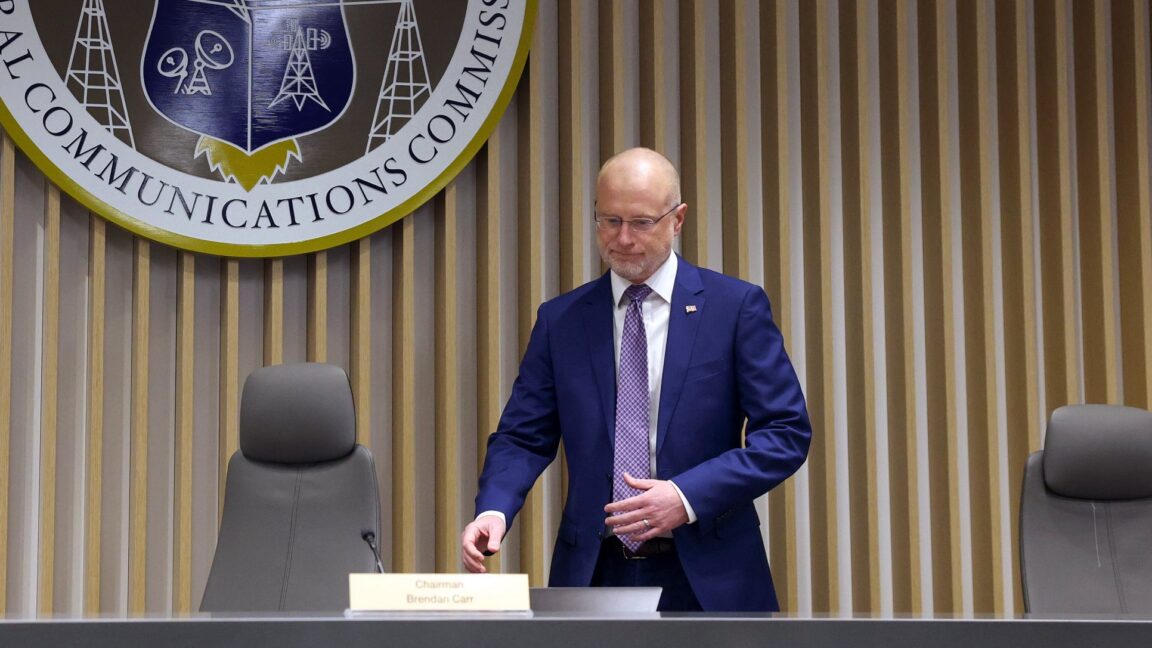
A journalist and an advocacy group have asked a federal judge to force the Federal Communications Commission to turn over records about DOGE, Elon Musk and FCC Chairman Brendan Carr. Their court filing matters because it alleges the agency is concealing records that could show how DOGE affected an agency that regulates Musk’s SpaceX and Starlink businesses.
Nina Burleigh and Frequency Forward made the claims Wednesday in U.S. District Court for the District of Columbia, where they are fighting the FCC over a Freedom of Information Act request. In the filing, they said the FCC acted in bad faith by withholding responsive records, changing the scope of its search without notifying them or the court, and hiding Carr’s use of Signal on a phone they say he uses for government work.
Burleigh and Frequency Forward sued the FCC last year, alleging the agency had unlawfully withheld records under FOIA. In August 2025, a federal judge ordered the FCC to produce documents and criticized the agency’s response to the lawsuit as vague and lacking useful detail, according to the court record cited in the filing.
FOIA fight centers on DOGE and Musk
The records request was filed in February 2025 as part of Frequency Forward’s investigation into DOGE’s activity at the FCC. The plaintiffs said they are seeking documents that could show whether DOGE’s role created conflicts involving Musk, SpaceX and Starlink, which have matters requiring FCC licenses or other agency approvals.
In Wednesday’s filing, the plaintiffs alleged that evidence indicates Musk gained influence in the White House and at DOGE, then used government access and authority to benefit himself and his companies. Those are allegations by Burleigh and Frequency Forward; the filing does not establish them as findings by the court.
The plaintiffs asked the judge to reject the FCC’s request for summary judgment, order the agency to produce all responsive records within one week and allow discovery. They argued that discovery would help identify records the FCC has not produced.
Signal account dispute
A major part of the dispute concerns whether Carr used Signal for communications that should be searched under FOIA. The plaintiffs said a prior FOIA production disclosed Carr’s phone number in a November 2024 email from a Fox News producer confirming an interview. They said that entering the number into Signal showed an active account under the name “Brendan Carr.”
The FCC told the court in a June 3 filing that Carr did not have phone numbers for DOGE personnel and that agency policy bars downloading extra messaging apps, such as Signal or WhatsApp, on FCC phones. Burleigh and Frequency Forward said that answer did not resolve whether Carr used a personal phone, or whether he communicated with Musk or senior DOGE officials rather than lower-level DOGE staff.
The plaintiffs said they do not know whether the number belongs to Carr’s personal phone or a government-issued device. They said the phone was used for government business and had a Signal account in Carr’s name. Based on their information and belief, they alleged Carr regularly conducts government business by text and Signal with journalists, industry professionals and people tied to regulated companies, including Musk and SpaceX.
The filing also said another DOGE-related case showed DOGE personnel used personal phones and Signal for business. Burleigh and Frequency Forward cited that point to argue the FCC should not limit its records search to agency email systems.
The plaintiffs separately accused the FCC of restricting its search to emails from FCC, DOGE and General Services Administration domains despite their objections. They also said travel records produced by the FCC did not include records about Carr’s visits to Starlink facilities.
This story draws on original reporting from Ars Technica.