
FAA proposes lifting supersonic ban for aircraft with quieter booms
The FAA plan would allow civil supersonic flights over land if aircraft meet an interim ground-level sonic boom limit.
By James Whitfield · Staff Writer
3 min read
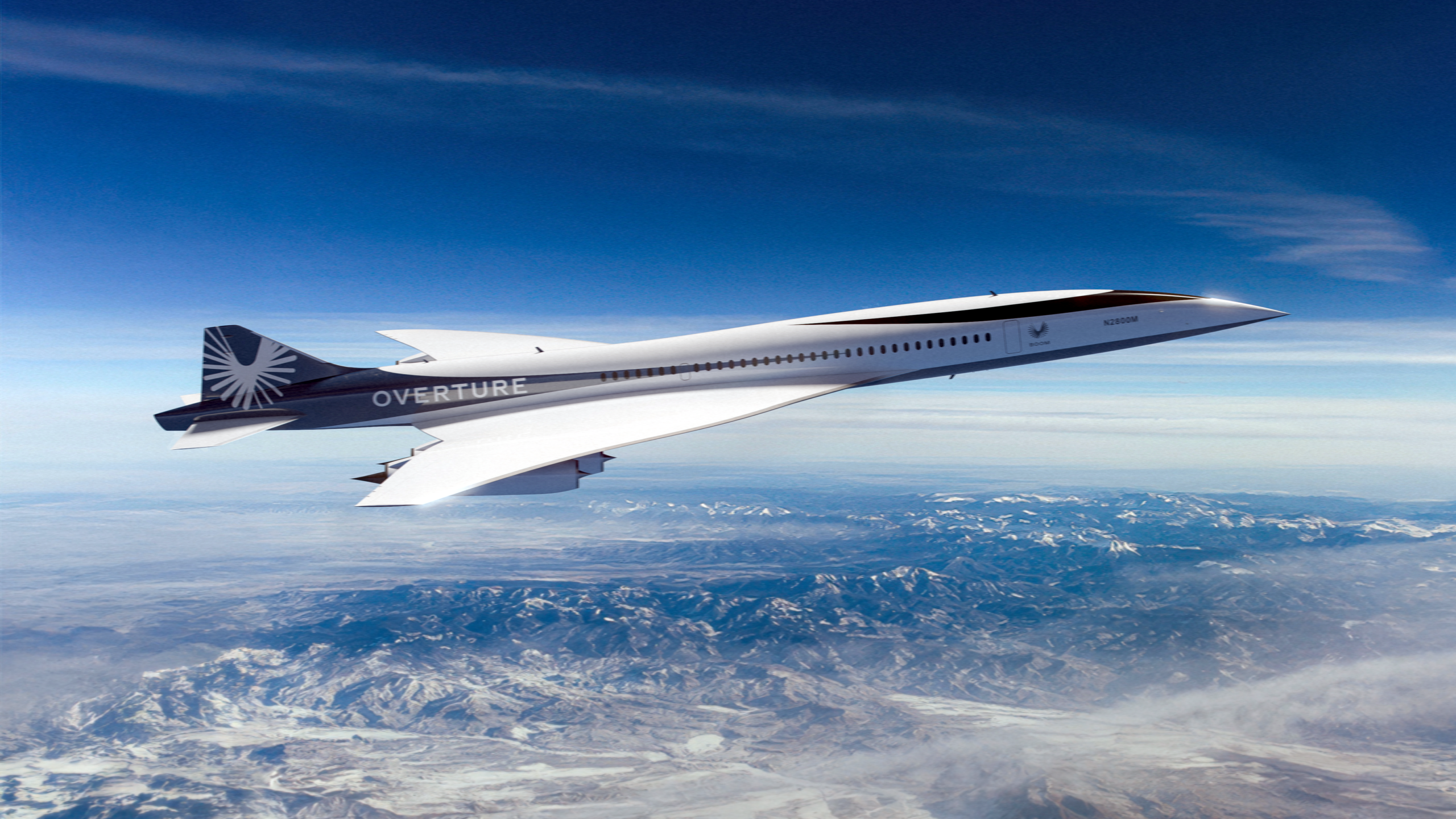
The Federal Aviation Administration has proposed ending a 53-year ban on civil supersonic flights over the United States, a change that could reopen domestic routes to faster-than-sound airliners. The proposal matters for aircraft developers because it would replace a blanket prohibition with a noise test aimed at limiting what people hear on the ground.
The FAA’s June 30, 2026, proposal would create an interim certification standard for sonic booms. Under the plan, a civil aircraft could fly supersonic over land if the sonic boom overpressure at the surface stays below 0.11 pounds per square foot.
The agency barred civil aircraft from overland supersonic flight in 1973 after military tests over U.S. cities in the 1960s, including Oklahoma City, Chicago and St. Louis. The new rulemaking follows a June 6, 2025, executive order from President Donald Trump directing federal agencies to advance supersonic flight in the United States.
The FAA said the proposed limit draws in part on flights by Colorado-based Boom Supersonic’s XB-1 demonstrator. Boom has reported using a technique known as Mach cutoff, in which an aircraft flies just past the speed of sound at altitude under atmospheric conditions that bend shockwaves upward rather than letting them reach the ground.
By comparison, the Concorde generated 1.94 pounds per square foot of overpressure while flying at Mach 2 at 52,000 feet, according to figures cited in the FAA rulemaking materials. Concorde operated commercial transatlantic service from 1976 to 2003.
NASA says in a fact sheet that some public reaction could be expected between 1.5 and 2 pounds of overpressure, while one pound would not damage buildings or other structures. The agency also says people have experienced 20 to 144 pounds of overpressure without injury when supersonic aircraft flew below 100 feet.
The FAA proposal has drawn criticism from Dan Rutherford, senior director at the nonprofit International Council on Clean Transportation. Rutherford told Aviation Week that United Nations experts rejected the overpressure metric in 2014 because it does not measure perceived loudness or annoyance, and said he was surprised the FAA would propose what he called a weak rule.
Congress is considering a separate measure, the Supersonic Aviation Modernization Act. The bill would direct the FAA to allow overland supersonic flights when aircraft are operated so that no sonic boom reaches the ground in the United States; it passed the House on March 24, 2026, and awaits Senate action, according to Congress.gov.
NASA is also testing another path to lower-noise supersonic flight with Lockheed Martin’s X-59 Quesst aircraft. NASA says the needle-nosed experimental plane is designed to turn the usual boom into a softer “thump,” with a target near 75 perceived decibels, comparable to a car door closing about 20 feet away.
NASA has said future X-59 flights over U.S. communities are intended to gather public feedback on sound levels. That data could help aviation regulators decide how to set future rules for civil supersonic aircraft.
The FAA said it still expects to refine the overland supersonic noise proposal before trying to complete a final rule by mid-2027. The agency also plans another proposal this year covering takeoff and landing noise standards for supersonic aircraft.
Regulatory approval would not by itself solve the business case for supersonic passenger jets. The Smithsonian’s National Air and Space Museum says Concorde cut New York-to-London flights from about seven hours to under three, but the aircraft’s fuel use and development costs made long-term profitability difficult.
Boom Supersonic is developing a passenger aircraft called Overture and says it aims to deliver the first planes to customers by 2029. The company has announced commercial agreements with American Airlines, Japan Airlines and United Airlines that include options to buy the aircraft, while United CEO Scott Kirby has told Forbes he gives Boom a “50/50” chance of getting Overture into service.
This story draws on original reporting from Ars Technica.