
ECU tuning gets harder as automakers tighten software locks
APR engineers told Ars Technica modern engine software and security have turned once-simple chip tuning into a long hunt for safe access and calibration.
By James Whitfield · Staff Writer
3 min read
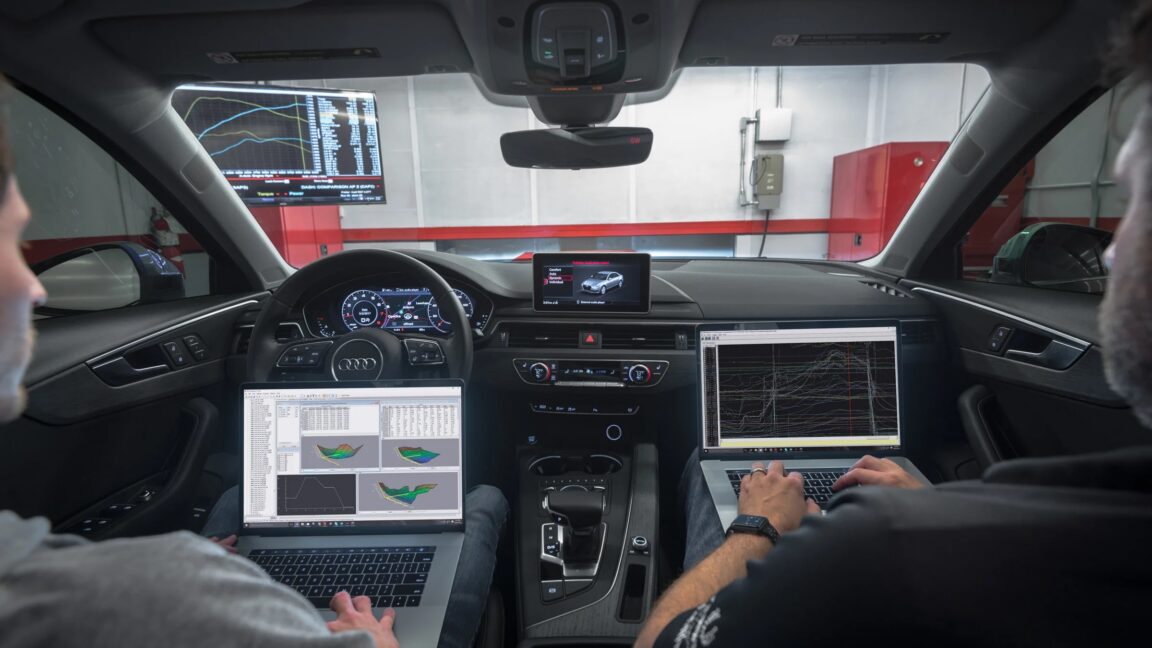
Aftermarket engine tuning can still add meaningful power through software, but the work behind it has become far more difficult. APR engineers told Ars Technica that tighter automaker security and more complex engine-control software have changed ECU tuning from a quick modification into a long reverse-engineering project.
APR, an Alabama-based company focused on Volkswagen, Audi and related performance products, said the shift has been years in the making. Older cars often let tuners alter fuel, ignition and boost settings with relatively direct access to the engine computer; current vehicles require far more work before a safe calibration can reach customers.
From chips to software locks
In the 1990s, tuners commonly opened an ECU, removed a memory chip, read it, and wrote modified code to a replacement chip. Those changes could raise turbo boost, add fuel to match the extra air, and adjust ignition timing.
APR later developed its Enhanced Modular Chipping System, known as EMCS, for early-2000s cars. According to APR calibration engineer Chas Gorton, the system used extra processing and memory to store multiple engine maps, including versions for different fuel octane ratings.
APR also found a way to let drivers switch programs through the cruise-control stalk, Gorton told Ars Technica. Earlier systems required a physical switch on the ECU, which meant opening the car and reaching the computer. By watching cruise-control inputs, APR could trigger map changes and other functions through a sequence entered with the engine off.
The arrival of the OBD2 port in 1996 gave tuners another route into ECUs because factory software updates could be delivered through that connector, Gorton said. APR engineers told Ars Technica that security measures still limited early use, so bench work and chip changes remained common for years. Around 2005, port-based tuning became more practical, before Volkswagen and Audi tightened protections significantly around 2008.
Modern tuning requires more calibration
APR says today’s challenge goes beyond access. Modern engine software includes far more parameters, and changing one value can affect many others. Gorton said a B5-generation Audi S4 might need 10 to 15 adjustments, while a 2005 Volkswagen GTI required about 90.
The number has kept climbing, according to APR. Gorton told Ars Technica that a 2022 GTI needs about 225 changes, while the current Porsche 911 Carrera is above 400. Jamie Harvey, APR’s software engineering manager and powertrain calibration engineer, said the company’s latest product under development is above 500.
APR also said global factory calibrations add complications because a single file may account for different fuel quality and operating conditions across markets. Even cars that share an engine, such as an Audi A3 and Volkswagen GTI of related generations, may use different calibration approaches because each factory team tunes the vehicle for a different feel.
Security research can be slow and expensive. Harvey said most vulnerabilities found by APR’s reverse-engineering team end without a usable path, after substantial work. He also said failed experiments can brick ECUs, turning costly hardware into research parts that may be useful later.
Track use shaped street products
APR told Ars Technica that racing pushed some of its software work further. During its Grand-Am KONI Challenge Series program, the company had a calibration engineer at events who could alter files for conditions, Gorton said.
In a later season, APR used software-controlled boost changes as a limited push-to-pass feature, according to Ian Baas, the company’s marketing coordinator and former race driver. Harvey said the system depended on precise boost control so the car could stay within the relevant limits while giving the driver extra power briefly.
APR expects the job to keep changing as hybrid powertrains and newer vehicle platforms add more software. The company told Ars Technica that automakers including BMW and Ford have increased security in ways that forced tuners to spend more time finding access, and that methods vary widely by manufacturer.
This story draws on original reporting from Ars Technica.