
Study finds early complex cells drew genes from several microbial groups
A Nature study says eukaryotes emerged through multiple gene transfers, not only a single archaeal-bacterial merger.
By Hana Yoshida · Markets Reporter
3 min read
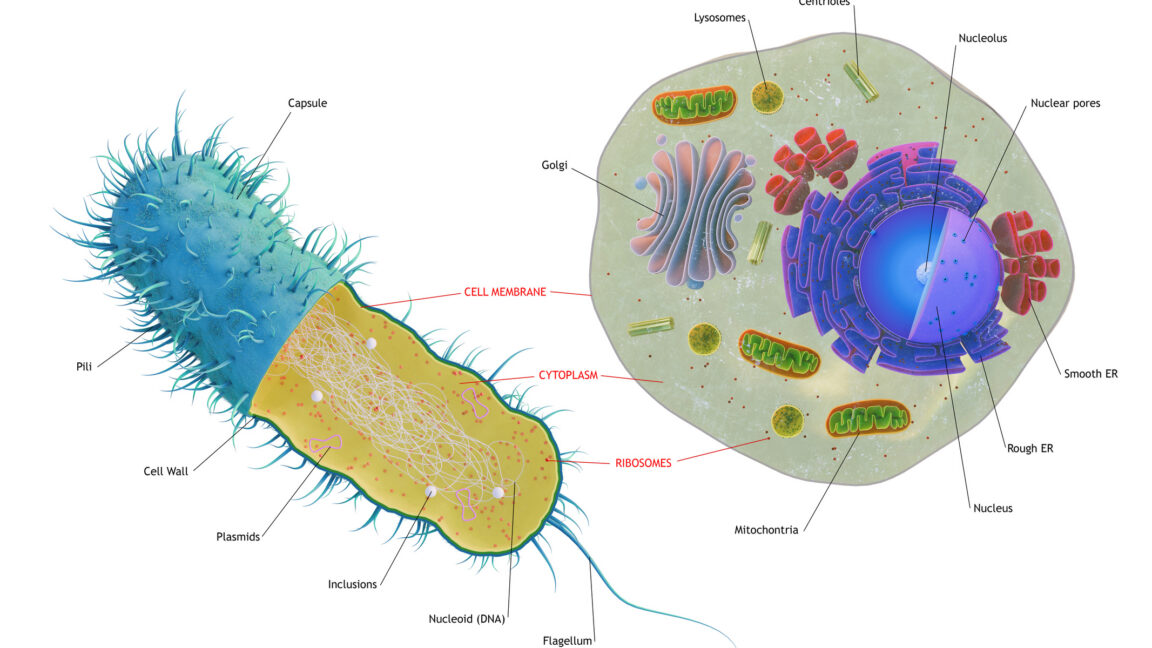
The first complex cells appear to have inherited genes from a broader set of microbes than the standard origin story suggests, according to a study published in Nature. The finding matters because eukaryotes — the cell type that makes up animals, plants, fungi and many single-celled organisms — have long been explained mainly as the product of a merger between an archaeal host and bacteria that became mitochondria.
Researchers based in Barcelona found evidence that several bacterial groups contributed genes to early eukaryotes, alongside the expected input from Asgard archaea and alphaproteobacteria. The study does not overturn the role of mitochondria, but it argues that the transition from simple cells to complex ones was more gradual and mixed than a single fusion event.
Biologists have known for years that eukaryotic genomes contain genes with both archaeal and bacterial origins. Mitochondria, which supply chemical energy in eukaryotic cells, are widely understood to descend from bacteria related to alphaproteobacteria. Many genes from that bacterial lineage later moved into the cell nucleus, according to the established model.
The archaeal side of the story became clearer after researchers identified Asgard archaea roughly a decade ago from environmental genome data. Those microbes are close relatives of eukaryotes, and their discovery strengthened the view that complex cells arose from within or near the archaeal branch of life.
The Nature study examined genes shared broadly across eukaryotes while trying to reduce biases in genome sampling. The researchers selected species to give a more balanced representation across the eukaryotic family tree, filtered out genes that produce low-complexity proteins, and limited duplicated gene families to one representative gene.
They repeated the analysis three times with different gene sets. According to the researchers, more than half of the genes differed between each set, providing a test of whether the results depended on a particular selection.
From those simplified genome sets, the team inferred traits of the last common ancestor of all eukaryotes. The researchers concluded that it likely lived in an oxygen-containing environment and gained energy by consuming other organisms or feeding on their remains.
The study also found that the ancestral cell already had a complex internal structure. According to the researchers, it likely contained internal protein tracks, motor proteins for moving cargo, lysosomes and peroxisomes for breaking down material inside the cell, and basic systems for metabolism, DNA replication and RNA production.
One notable gap involved genes that regulate cell division. The researchers said their absence may indicate that early eukaryotic division was controlled mainly by metabolic limits rather than by the more elaborate regulatory systems seen later.
About a third of the analyzed gene groups appeared to be specific to eukaryotes, with no clear match in bacteria or archaea, according to the study. Other genes traced to Asgard archaea and alphaproteobacteria, as expected, but the researchers also reported roughly comparable contributions from Planctomycetota and Myxococcota.
The team also found smaller gene contributions from other bacterial groups. Viruses from the group that includes giant viruses contributed more genes than any single bacterial group, according to the study, though the authors said viral signals can be difficult to interpret because viruses can carry genes acquired from other organisms.
The timing analysis suggested that Asgard archaeal genes came first, followed by bacterial gene transfers before mitochondria appeared and another major contribution afterward. The researchers said such a pattern would fit life in a microbial mat, where different species live close together for long periods and can exchange genes.
The authors cautioned that future genome data could change parts of the analysis. They wrote that “database completeness” is likely to explain differences between studies more than methodological choices, meaning that broader sampling of microbial genomes may refine the picture.
Still, the study’s central conclusion is that the rise of eukaryotes was a complex process involving repeated genetic exchange. Nature published the work in 2026 with DOI 10.1038/s41586-026-10639-9.
This story draws on original reporting from Ars Technica.