
Data center fights delayed $130 billion in projects in early 2026
Data Center Watch says local opposition delayed or blocked at least 75 U.S. data center projects in the first quarter, a record for its tracking.
By Maya Lindqvist · Senior Technology Correspondent
3 min read
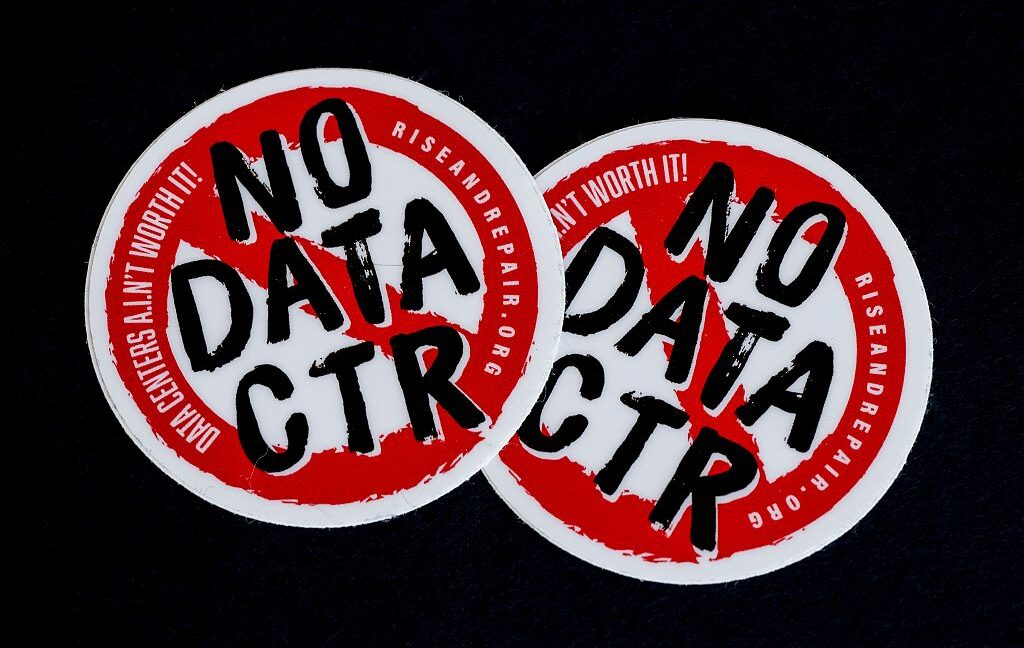
Local opposition delayed or stopped at least 75 U.S. data center projects worth about $130 billion in the first three months of 2026, according to Data Center Watch figures reported by NBC News. The tally shows how fights over AI infrastructure are becoming a political and regulatory obstacle for developers and public officials.
Data Center Watch, a project of AI intelligence firm 10a Labs, said the first quarter produced the highest number of blocked or delayed projects in any three-month period since it began tracking the issue in 2023, NBC News reported. The group said the surge reflected a broader shift, with communities adopting repeatable tactics and state legislative sessions adding uncertainty for developers.
The group also said active opposition organizations more than doubled to 833 across 49 states, according to NBC News. Data Center Watch said resistance sometimes began before developers formally filed plans, with rumors of a project enough to prompt organizing.
Local fights become a national issue
The value of delayed or blocked projects in early 2026 nearly matched the roughly $156 billion Data Center Watch recorded for all of 2025. The group said last year that opposition had moved beyond local zoning fights and was starting to affect elections, regulation and site selection nationwide.
Sociologist Tressie McMillan Cottom wrote in The New York Times that her time with organizers in North Carolina changed her view of data center resistance as a political force. She said residents from different political backgrounds were attending sessions on water rights, land use and thermodynamics, and that some first-time activists were learning how to pressure officials alongside neighbors.
McMillan Cottom argued that Democrats could make data centers a stronger campaign issue, though she said party leaders have not yet found an effective message. She also wrote that campaign money from AI companies may make some Democrats reluctant to fully embrace the opposition.
Developers and tech firms push back
OpenAI recently said in a threat report that China-linked actors used ChatGPT to create comics, memes and social media comments aimed at influencing the U.S. data center debate. OpenAI said it banned the accounts involved.
Supporters of data centers say some public concerns about electricity and water are overstated. The Atlantic argued that water and grid problems are most serious in drought-stricken areas or places with strained power systems, and cited potential long-term gains from jobs and AI-related business growth.
The Atlantic pointed to Loudoun County, Virginia, where it said 53 million square feet of data centers have been built over 20 years. The magazine reported that data centers occupy about 3 percent of county land but are projected to generate nearly half of property-tax revenue, or $1.3 billion, in 2026.
The Wall Street Journal reported that a Meta data center project in Louisiana more than doubled Richland Parish’s sales and use tax collections, helping fund $50,000 bonuses for some teachers under a local 1 percent school board sales tax ordinance.
Environmental review remains central
Opponents continue to focus on environmental review, utility costs, noise, public health and local resource use. The debate has grown as some officials seek faster approvals for data centers tied to U.S. AI development.
In Illinois, Gov. J.B. Pritzker has pushed lawmakers to create a framework for responsible data center development with environmental review at its center. In Utah, a developer pledged to personally handle public communications after backlash cut the approved land area for a project by 50 percent.
In Congress, Sen. Elizabeth Warren has proposed taxing AI firms to increase transparency, while Sen. Bernie Sanders and Rep. Alexandria Ocasio-Cortez called in March for a national data center moratorium. Ocasio-Cortez also used jars she said contained dirty water from near a Meta project in Georgia to question the Environmental Protection Agency; Meta has denied that the Georgia data center is polluting water.
This story draws on original reporting from Ars Technica.