
Climate liability fights put National Academies in political crosshairs
Republican officials and fossil fuel interests are pressing the National Academies over climate science used in courts, Politico and Ars Technica reported.
By Maya Lindqvist · Senior Technology Correspondent
3 min read
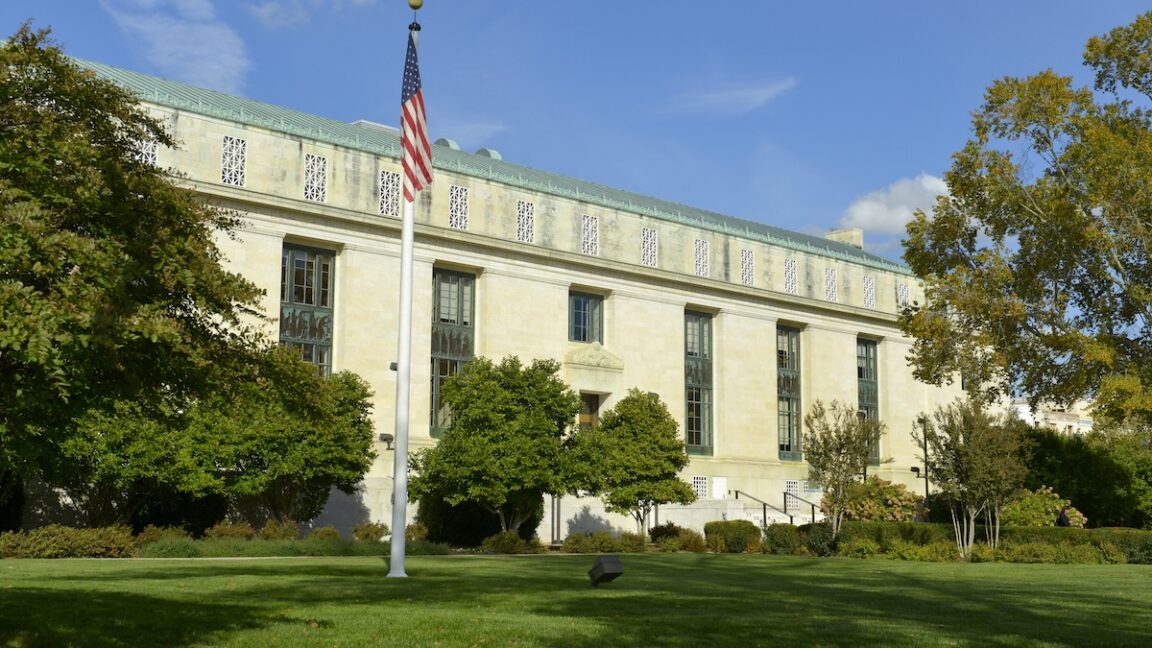
The National Academies of Sciences, Engineering, and Medicine is facing growing political pressure over climate research that could affect lawsuits against fossil fuel companies. Politico reported that the dispute centers on scientific work about whether human-driven climate change can be tied to specific extreme weather events.
The National Academies, founded during the Civil War to advise the federal government, is known for assembling outside experts to produce reports on science and technology questions, according to Ars Technica. Those reports often inform government agencies, courts and policymakers.
Ars Technica reported that the organization has tried to keep a low public profile during the Trump administration’s broader conflict with science agencies and researchers. Marcia McNutt, the Academies’ president, largely avoided direct discussion of those attacks in her annual “state of the science” addresses, according to Ars Technica.
Dispute over courts and climate evidence
One flashpoint is the fourth edition of the Reference Manual on Scientific Evidence, which the National Academies prepared for the Federal Judicial Center, Ars Technica reported. The manual is intended to help judges assess scientific issues that arise in court.
The fourth edition was the first to include a chapter on climate change, according to Ars Technica. Republican state attorneys general objected to the chapter because it drew on people involved in climate damages litigation and treated human-driven climate change as established science, Ars Technica reported.
Those attorneys general asked the Federal Judicial Center to remove the chapter, and the center did so, according to Ars Technica. The National Academies kept the full report on its own website and declined to remove the climate material after the attorneys general demanded the same action, Ars Technica reported.
Republican members of Congress then increased pressure on the organization. In a letter cited by Ars Technica, 11 House Republicans urged the Office of Management and Budget to examine whether the National Academies should be suspended or barred from federal funding under OMB’s authority.
The lawmakers argued that the climate chapter lacked “fully independent, meaningful peer review from scientists with differing views on climate science,” according to the letter quoted by Ars Technica. Ars Technica also reported that members of Congress threatened to investigate the National Academies after it organized an updated climate report while the Department of Energy had convened a group of climate contrarians.
Why attribution science matters
Politico reported that fossil fuel companies are concerned about a National Academies committee, formed during the Biden administration, that is evaluating the scientific basis for attribution studies. Those studies assess how much human-caused warming changes the odds or severity of particular weather events.
Ars Technica reported that researchers once could not reliably connect individual weather disasters to climate change, but have since developed methods to compare the likelihood of events with and without greenhouse gas emissions. Some research has found that certain extreme events would not have occurred without human-driven warming, according to Ars Technica.
Politico reported that oil companies are worried the National Academies’ work could strengthen lawsuits seeking to hold them responsible for climate-related damages. Ars Technica reported that other researchers have attempted to connect financial losses from disasters to fossil fuels produced by specific companies.
Many climate lawsuits against fossil fuel companies have failed because judges found they raised issues better handled through federal policy, Ars Technica reported. Claims focused on economic damages, however, may be harder to dismiss if plaintiffs can link business practices to losses from specific storms, according to Ars Technica.
Politico reported that fossil fuel companies have hired outside parties to seek access to emails from committee members who work at public universities. Ars Technica reported that the fight over the pending attribution report could put both the National Academies’ credibility and federal funding under sustained pressure.
This story draws on original reporting from Ars Technica.