
Chemical accident reports rise as EPA weighs safety rule rollback
PEER says dangerous chemical releases climbed from 2021 to 2025 while the EPA considers easing rules adopted under Biden.
By James Whitfield · Staff Writer
3 min read
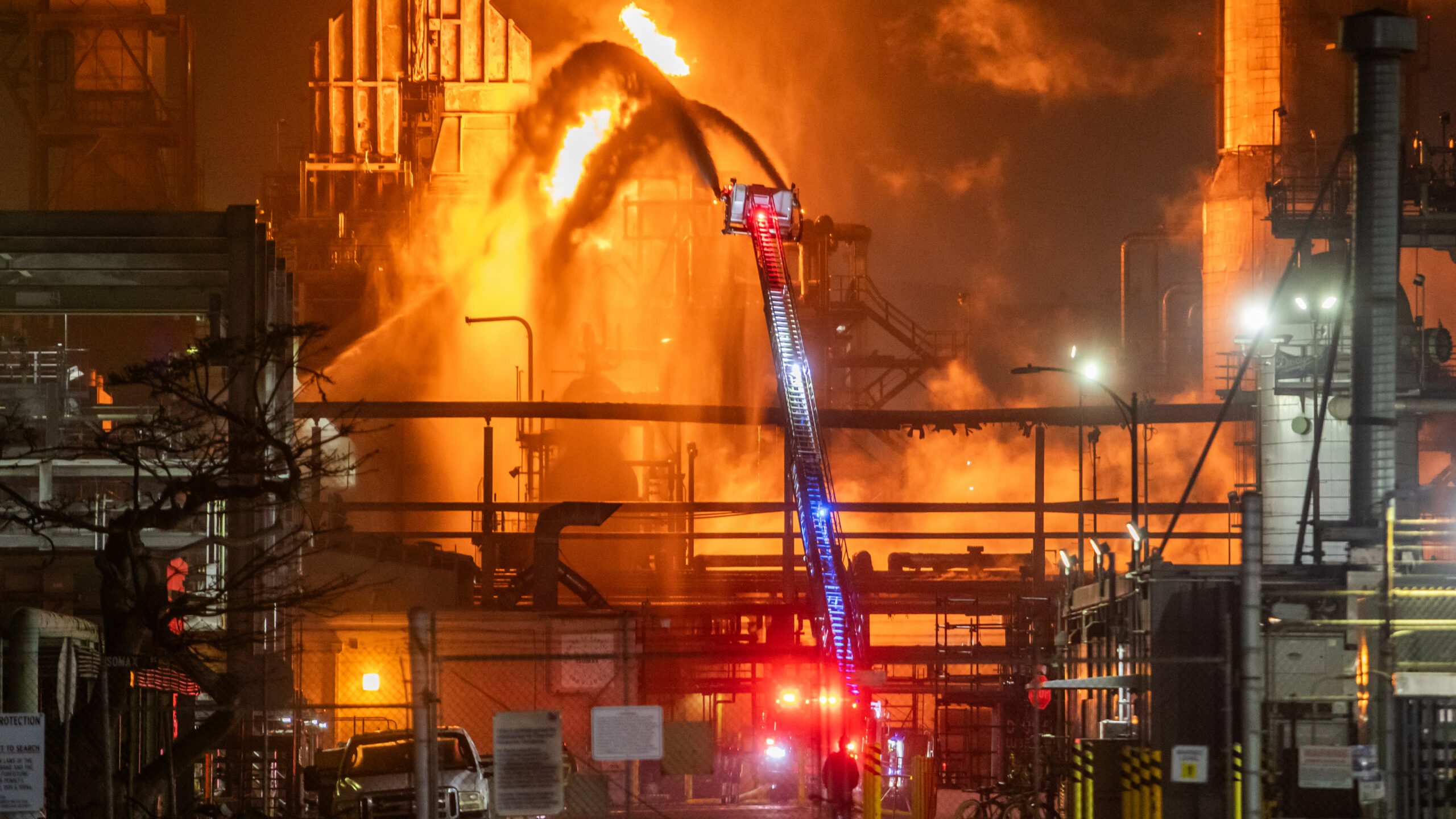
Reported releases of dangerous chemicals increased 57% from 2021 to 2025, according to Public Employees for Environmental Responsibility, as the Trump administration moves to loosen federal accident-prevention rules. The stakes are broad: PEER says nearly 150 million people live within 3 miles of facilities covered by chemical safety rules.
PEER, a nonprofit that works with former government officials, said Monday that accidents involving hazardous chemical releases rose from 83 in 2021 to 131 in 2025. It said injuries and deaths tied to those incidents increased from 60 to 89 over the same period.
Records released by the Chemical Safety Board show more than 650 chemical incidents from April 2020 through May 2026, according to PEER. The board’s records list 103 incidents with fatalities, 355 with injuries and 314 with substantial property damage.
The figures come as the Environmental Protection Agency considers rolling back parts of the Risk Management Program, the Clean Air Act program covering facilities that handle certain hazardous substances. The EPA says about 12,000 facilities are regulated under the program.
The Biden administration finalized tougher RMP rules in 2024. Those requirements included safer-alternative analyses, independent reviews of accident root causes, worker involvement in prevention planning and steps to address climate-related hazards.
The Trump administration proposed changes earlier this year, saying it aimed to reduce regulatory burden. An EPA spokesperson said the agency is reviewing public comments and expects to finish the final rule in late 2026.
The EPA spokesperson said the agency’s review of RMP-reportable incidents from 2014 through 2023 showed accidental releases fell significantly during that period. The spokesperson said that trend indicated facilities had effective prevention programs before the 2024 rule.
Jeff Ruch, senior counsel at PEER, disputed that conclusion. He said the Biden EPA reviewed the same data and reached a different view, and said the current EPA lacks data to prove that any decline resulted from industry prevention plans.
One concern raised by safety advocates is hydrofluoric acid, also called hydrogen fluoride or HF. The chemical is used in refining and in making products including refrigerants, gasoline, pesticides and fluoropolymers, and federal health guidance says exposure to 170 parts per million for 10 minutes can cause death or serious injury.
Physicist Ronald Koopman studied HF releases in the 1980s for Amoco, later acquired by BP. In those tests, a 1,000-gallon release did not stay in a small pool as expected; Koopman found it created a low-lying cloud that could travel miles downwind.
Hydrofluoric acid risks drew renewed attention after a 2019 explosion at the Philadelphia Energy Solutions refinery released more than 5,000 pounds of the chemical. The Chemical Safety Board said nearby residents in South Philadelphia, a largely Black and brown community, were spared because winds were favorable.
PEER petitioned the EPA in 2019 to ban hydrogen fluoride at refineries after the Philadelphia blast, but the agency declined to consider the request. Public Health Watch has reported that close to 50 U.S. refineries use HF and have reported more than 200 accidents involving serious injuries and deaths to the EPA over 25 years.
PEER said older infrastructure adds to the risk, noting that many refineries were built before 1985. Ruch said the danger grows as facilities age while the federal response contracts.
The Chemical Safety Board incident data became public after PEER and other groups sued to force disclosure under the Clean Air Act. A federal judge ruled in 2019 that communities have a right to know about nearby hazardous chemical releases.
Last year, the Trump EPA removed a public tool that helped residents find information about nearby RMP risks, according to PEER. President Donald Trump has also sought to eliminate the Chemical Safety Board by withholding funding, though Congress has continued to fund the agency.
This story draws on original reporting from Ars Technica.