
Study finds young adults know few farmland species around them
A ZALF survey in eastern Germany found younger adults named fewer local field and meadow plants and birds than older participants.
By Lucas Ferreira · Science & Environment Writer
3 min read
Younger adults in an agricultural region of eastern Germany knew relatively few of the plants and birds that characterize nearby fields and meadows, according to a new study from the Leibniz Centre for Agricultural Landscape Research. The findings matter because the researchers said species knowledge helps people notice ecological change and understand biodiversity loss.
The study, published in the Journal of Ethnobiology and Ethnomedicine, surveyed 463 adults from different age groups in two towns and surrounding areas in northwestern Saxony. Rather than testing participants with photographs, the research team asked them to list wild plants and bird species they recognized from their own surroundings.
That method was designed to capture which species people could recall without prompting, the authors said. Tobias Naaf and colleagues described the work as a way to measure species that remain part of everyday knowledge, rather than a conventional identification test.
Respondents named 165 plants and 116 bird species or bird groups in total, according to the study. But the researchers found that many answers centered on widely known species, while plants and birds typical of agricultural habitats were mentioned much less often.
On average, participants named only two characteristic plant species and three characteristic bird species from agricultural settings, the study found. The authors said that 62 plant species and 25 bird species typical of the agricultural landscape occur in the study region, meaning most were either not named or were mentioned by very few people.
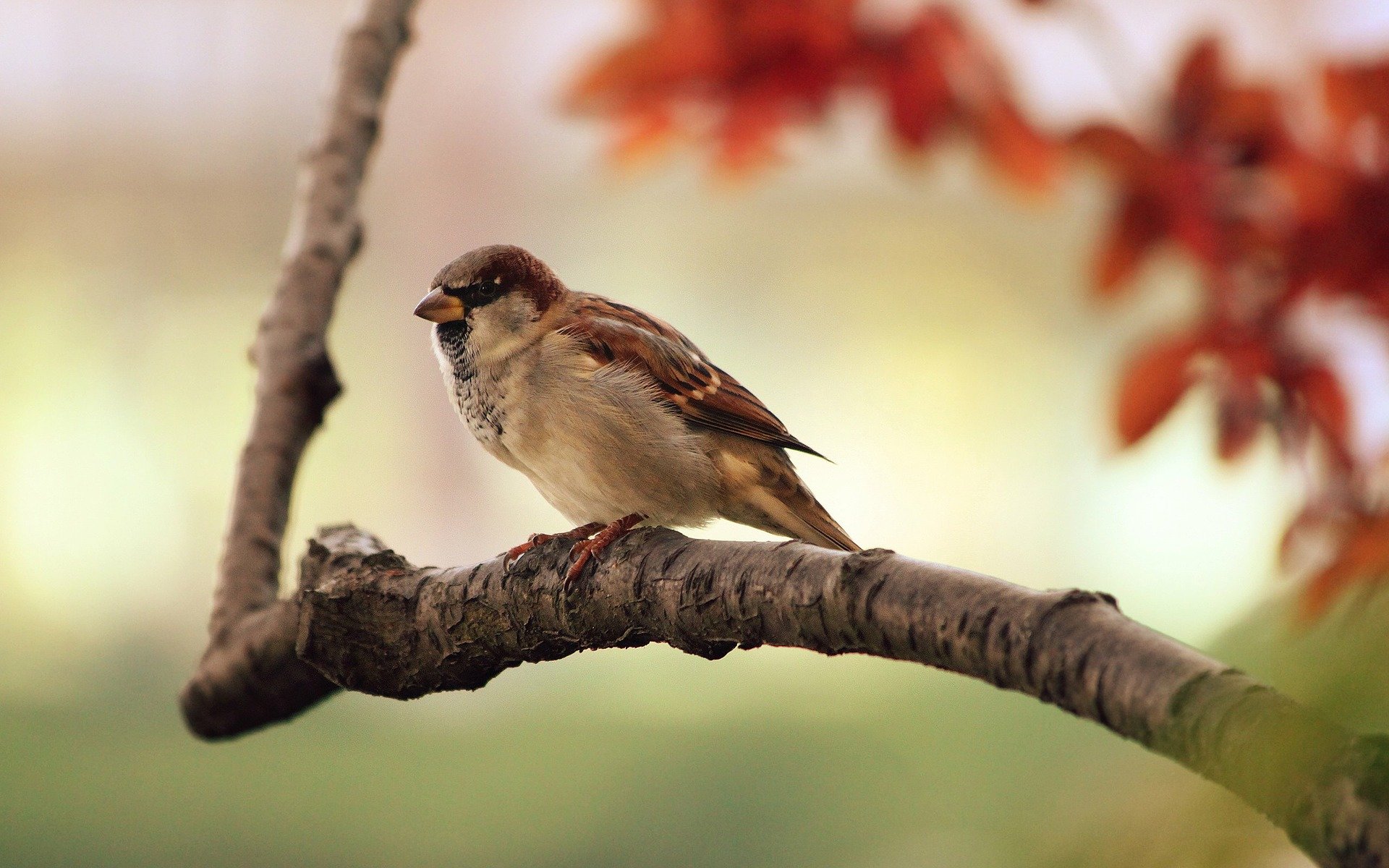
The most frequently recalled plants included dandelion, common poppy, cornflower, common daisy and stinging nettle, according to ZALF. For birds, participants most often mentioned sparrows, crows, tits, blackbirds and white storks.
Older adults named more local farmland species
The researchers reported a clear link between age and species knowledge. Older participants named more plant and bird species, with the sharpest differences appearing between the youngest adults and middle-aged respondents.
People over 45 more often listed agricultural species such as cornflower, chamomile, yarrow, starling and skylark, according to the study. Younger adults more often gave answers such as dandelion, common daisy and stinging nettle, as well as broader categories including birds of prey, pigeons and crows.
Maria Kernecker, a ZALF researcher and study co-author, said the results point to a weakening connection between cultural knowledge and the landscapes people live in. The researchers linked that concern to earlier studies showing that species knowledge can be associated with interest in nature and willingness to support conservation.
Authors call for more outdoor learning
The authors said the study suggests many species still present in the countryside have faded from public awareness. They said plants and birds associated with species-rich fields and meadows are especially relevant because experts use them to understand habitat condition and biodiversity change.
The researchers also cautioned that the findings are not representative of all Germany. The study covered a limited area in northwestern Saxony, and its method measured spontaneous recall rather than the full range of species a person might know.
Naaf and colleagues said more research using complementary methods would help clarify the pattern. They also pointed to outdoor education, nature observation and direct contact with plants and animals as possible ways to strengthen public knowledge of local biodiversity.
Naaf said knowing nearby species can make it easier for people to recognize changes in nature and understand why those changes matter for functioning ecosystems. The study authors described species knowledge as a practical foundation for conserving biological diversity.
This story draws on original reporting from Phys.org.