
Cave bones point to fire use by early humans 1.79 million years ago
Researchers say burned bones in South Africa’s Wonderwerk Cave suggest hominins carried and tended natural fire far earlier than previously shown.
By Lucas Ferreira · Science & Environment Writer
3 min read
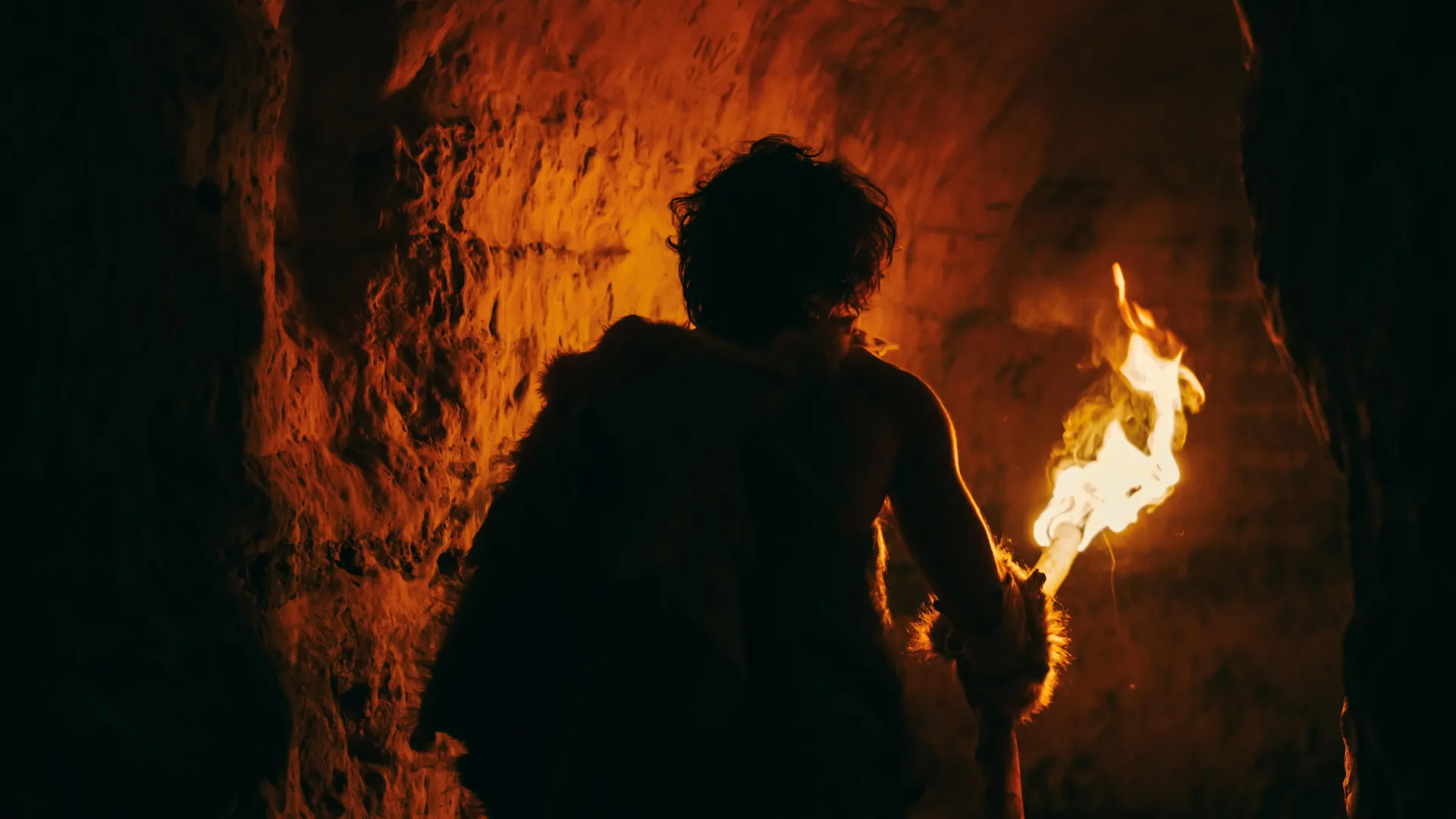
Early human relatives may have carried fire into South Africa’s Wonderwerk Cave as long as 1.79 million years ago, according to a study published in PLOS One. The finding matters because it would place repeated hominin fire use hundreds of thousands of years earlier than earlier evidence from the same site.
The research was led through the Wonderwerk Cave project co-directed by Dr. Liora Kolska Horwitz of the Hebrew University of Jerusalem and Prof. Michael Chazan of the University of Toronto, with an international team from Spain, Argentina, Canada, the United States, South Africa, Portugal and Israel, according to the Hebrew University of Jerusalem.
The team reported signs of burning in fossilized animal bones from archaeological layers dated between 1.07 million and 1.79 million years ago. The bones were found deep inside the cave, about 30 meters from the entrance, where the researchers said ordinary wildfires would not have reached.
Wonderwerk Cave, in the Kalahari Desert, has long been central to debates over the origins of fire use. Members of the same research project reported in 2012 in PNAS that deposits at the cave showed evidence of intentional fire use about 1 million years ago, which was then regarded as among the oldest such records known.
Burned bone evidence inside the cave
The new study expands that timeline by applying a technique designed to identify heat damage in fossil bones. According to the researchers, bones exposed to strong heat give off a particular luminescent signal when tested with specific light wavelengths.
The team combined that non-destructive light-based method with chemical tests to assess small fossil bones. The Hebrew University said the approach can be used on large fossil collections without damaging the material, making it useful for other archaeological sites.
To check the method, the researchers examined hundreds of tiny bones left by owls that had roosted in the cave. Those remains built up through natural activity rather than direct human behavior, giving the team a separate record of conditions on the cave floor, according to the study.
The burned material came from a layer associated with early Acheulean stone tools, which the researchers said may be linked to Homo erectus. The study also noted that the deposits did not contain guano layers, which the team said helps rule out spontaneous combustion as an explanation.
Fire use before fire-making
The researchers did not conclude that early hominins at Wonderwerk could start fires at will. Instead, they said the evidence points to the collection of naturally occurring fire, such as flames from lightning strikes or savanna wildfires, followed by transport into the cave.
According to the study, fire appears to have been brought inside more than once and kept going for some time before dying out. The team also suggested that owl pellets could have acted as fuel, which may explain why very small rodent bones inside them show heat damage.
Fire would have offered warmth, light, protection from predators and, later in human evolution, cooking, according to the Hebrew University. Pinning down when hominins began to use it has remained difficult because traces at very old sites are often faint and easily confused with natural burning.
The authors said the Wonderwerk findings show early human ancestors were interacting with fire in a deliberate way long before firm evidence that they could create it on demand. They also said the luminescence method may help researchers test other ancient sites for similarly subtle evidence.
This story draws on original reporting from ScienceDaily.