
Warming and drought put river fungi at risk, study finds
Researchers say heat, dry spells and lost riverside vegetation threaten aquatic fungi that help rivers process organic matter and nutrients.
By Tom Brennan · Health & Medicine Correspondent
3 min read
Climate-driven heat, longer dry periods and the loss of riverside vegetation are threatening aquatic fungi that help keep rivers functioning, according to a study published in Freshwater Biology. The findings matter because these microorganisms help break down organic matter, process contaminants and move nutrients and energy through freshwater ecosystems.
The study was led by the University of Barcelona and the Global Change Research Institute at Rey Juan Carlos University. Researchers examined how aquatic fungi and the ecological roles they perform respond to human activity and climate-related stress, using rivers across the Iberian Peninsula as a broad field setting.
Aida Viza, a researcher in the University of Barcelona’s Department of Evolutionary Biology, Ecology and Environmental Sciences and at RPTU University Kaiserslautern-Landau in Germany, said the loss of riparian forest harms fungi by exposing riverbeds to more sunlight and higher temperatures. Riparian vegetation can shade waterways and help moderate conditions for organisms living in the channel.
The researchers also looked at nutrients tied to farming and urban pressure. Viza said increases in chemical compounds such as nitrate and phosphate had little effect on the biodiversity or functions of aquatic fungi, contrary to the team’s expectations. She said one possible reason is that Iberian rivers already have a substantial nutrient supply and fungi do not need large amounts to carry out their ecological roles.
The study found that microbial activity in river sediments showed strong resistance to human impacts, according to the University of Barcelona. The authors attribute that resistance to the more stable moisture and temperature conditions in sediments, which can help rivers sustain life and ecological activity during harsh periods.
Viza cautioned that this buffering has limits. She said climate change is expected to make unfavorable conditions last longer, and that sediment cannot provide refuge indefinitely.
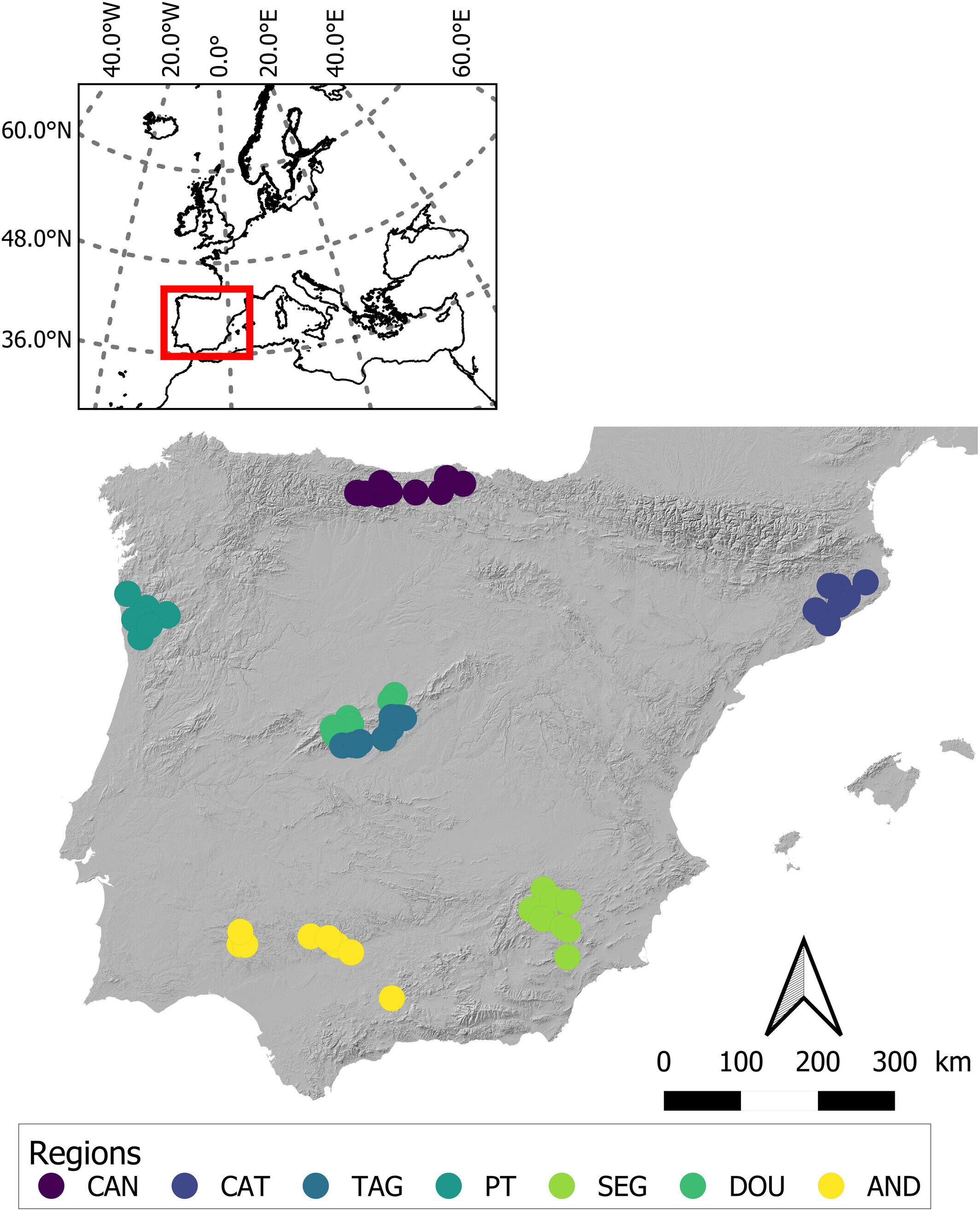
The work was carried out under the Iberian River Observatory, known as IberRios. It involved 19 researchers from universities and research institutes in Spain, Portugal, Germany and Switzerland, and drew on information from 62 rivers in seven Iberian regions with varied soils and climates.
Cayetano Gutiérrez, a researcher at the Global Change Research Institute at Rey Juan Carlos University, said the approach treats Iberian rivers as a natural experiment for assessing how climate change and human pressures affect biodiversity and the benefits river ecosystems provide to society.
Management implications
The authors said the findings have consequences for river monitoring and management during the climate crisis. River management has often emphasized cutting nitrate and phosphate concentrations, but the study suggests that those steps alone will not protect the biodiversity and functions associated with aquatic fungi.
Gutiérrez said measures are needed to reduce climate-related pressure on rivers. He cited restoring riparian woodland to increase shade and avoiding excessive water extraction, particularly in summer, as examples of actions that could help protect river ecosystems.
The paper, “Combined Effects of Land‐Use‐ and Climate‐Driven Stressors on Stream Fungi and Organic Matter Decomposition,” was published in Freshwater Biology in 2026.
This story draws on original reporting from Phys.org.