
Study warns Sydney apartments face weeks of overheating by 2050
Researchers say apartments built under current rules could leave Sydney residents exposed to prolonged indoor heat as the climate warms.
By Tom Brennan · Health & Medicine Correspondent
3 min read
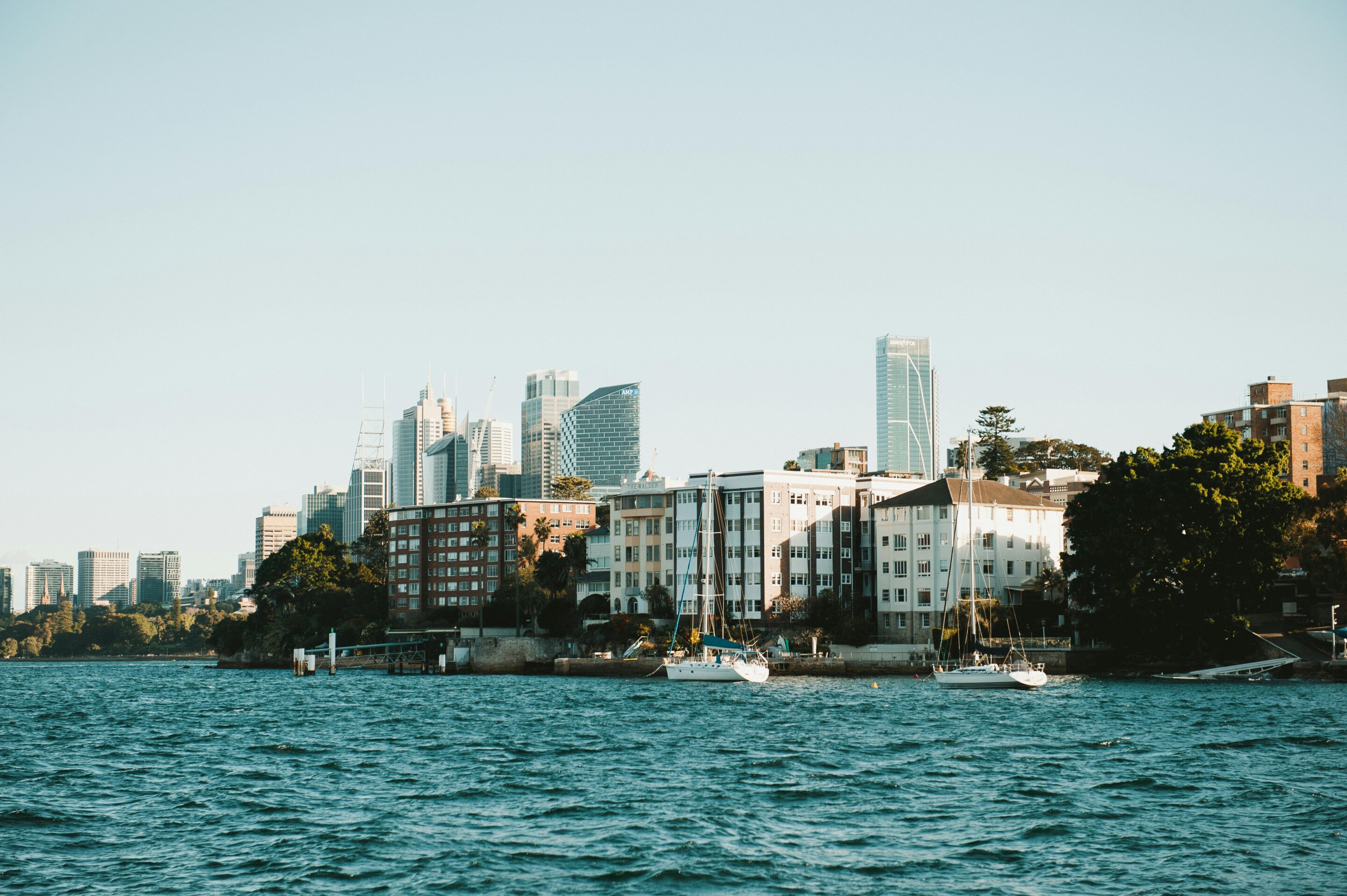
Sydney apartments built to current standards could become uncomfortably hot for weeks each year by the 2050s, according to research published in Energy and Buildings. The findings matter because many homes being approved during Sydney’s apartment-building push are expected to remain in use for decades.
The researchers, writing in The Conversation, tested apartments designed to today’s rules against climate projections for Redfern in inner Sydney and Penrith in the city’s west. They said Sydney already faces severe heat: the Bureau of Meteorology recorded 48.9°C at Penrith in January 2020, the highest temperature recorded in Greater Sydney.
Western Sydney faces a sharper risk
The study used New South Wales climate projections to model future conditions under a high greenhouse gas emissions pathway known as SSP3-7.0. Under that projection, the researchers said median outdoor temperatures in Sydney’s hotter inland areas could be up to 5°C higher by the 2050s, with heat events lasting longer and occurring more often.
Apartments built to present standards could exceed comfort thresholds for the equivalent of about four weeks a year in Redfern and more than seven weeks in Penrith, the study found. The researchers said indoor temperatures in a current-standard apartment could remain above 30°C for several consecutive days, creating a heat-stress risk for residents.
Building design affected the results. The researchers said west-facing apartments receive strong afternoon sun, top-floor apartments absorb heat through roofs, and many apartments either lack cross-ventilation or have windows too small to clear accumulated heat.
Air conditioning is not a full safeguard
The researchers said the health burden would fall unevenly, with older people, people with chronic illnesses and poorer households at higher risk. They said Penrith residents could face nearly twice as much indoor overheating as people in Redfern.
Air conditioning cannot be assumed, the researchers said. Some renters may be unable to install it, it is not required in new apartments, and some households cannot afford to run it when temperatures rise.
A national longitudinal study cited by the researchers estimated that about one in 14 Australian households, or around 7%, already spends more than 10% of income on energy bills. They also cited a survey of more than 1,000 Australians that found 49.7% of households avoid using air conditioning on hot days to reduce summer power costs.
The researchers said heavy air-conditioning use can also strain the electricity system. They cited Australian Energy Market Operator data showing New South Wales peak electricity demand can rise above 13,000 megawatts on hot summer days, compared with average operational demand of about 7,700 megawatts.
Design changes could cut overheating
The researchers argued that Australia’s construction code should test homes against future heat, not only historical weather data and expected heating and cooling energy use. They said standards should assess how long a dwelling can remain safe without air conditioning, a measure known as passive survivability.
The study found external window shading reduced overheated time by up to 32%. Safe night-time ventilation, using windows that can be left open after dark, cut overly warm hours by up to 34%, especially in Penrith, while lighter roof colours helped top-floor apartments.
The researchers said the strongest results came when those measures were combined with double-glazed windows and insulation. Together, the package reduced the risk of Sydney apartments becoming too hot in the 2050s by up to 94%.
The authors said the Sydney findings are likely relevant to many other parts of Australia and the region. They also called for broader heat measures in new developments, including urban greening, shade, water-sensitive design and light-coloured or reflective materials for roofs, roads and pavements.
This story draws on original reporting from Phys.org.