
Study links Barbie monologue's impact to ancient rhetoric
University of Portsmouth research says Gloria’s speech in Barbie used logic, emotion and trust to connect with audiences across cultures.
By Tom Brennan · Health & Medicine Correspondent
3 min read
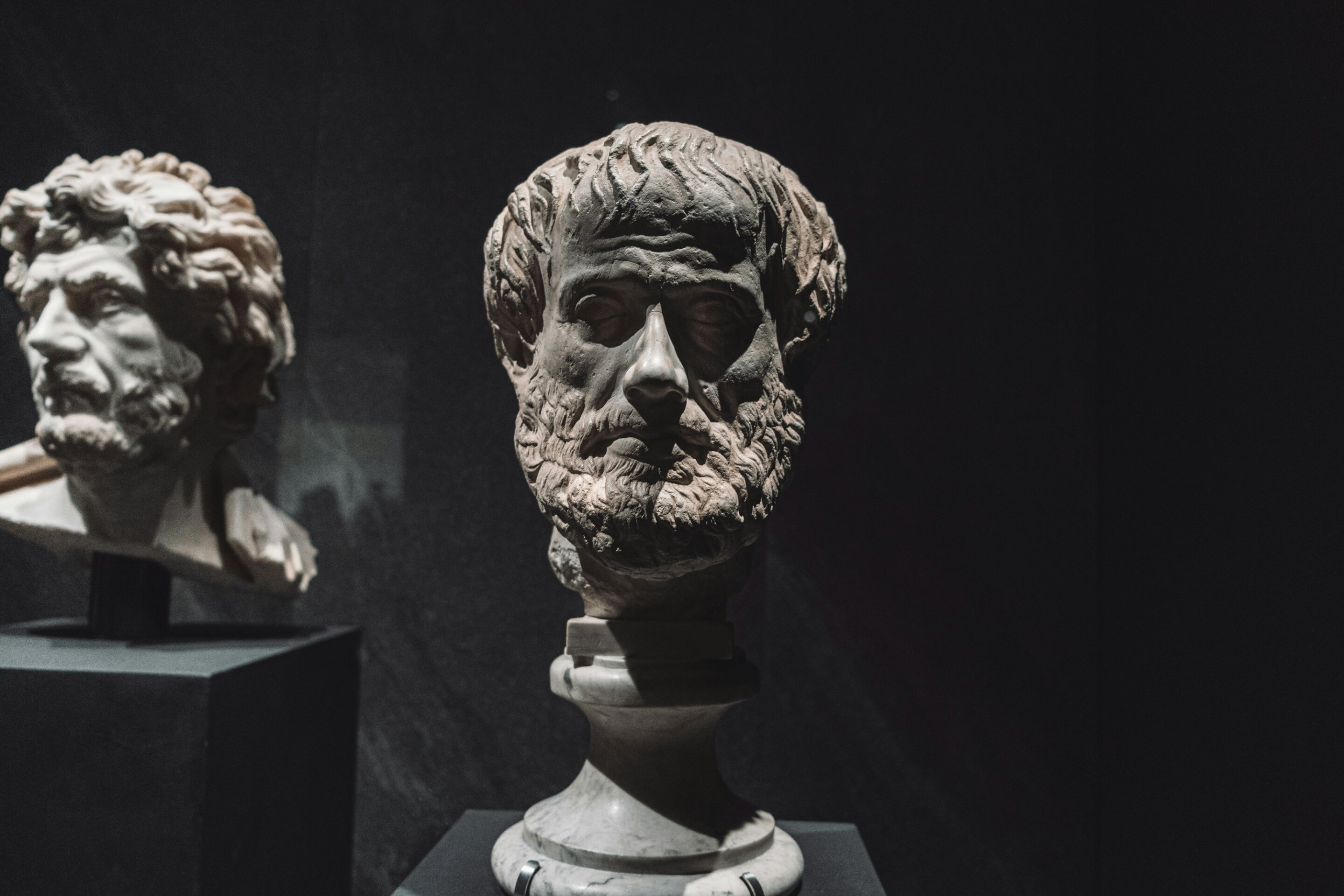
A University of Portsmouth study says Gloria’s much-discussed speech in the film Barbie drew its force from rhetorical methods described by Aristotle. The research argues that the monologue’s structure helped turn a two-minute scene into a broader cultural reference point in debates about gender.
The study, by Dr. Helen Ringrow of the university’s School of Education, Language and Linguistics, was published in Iperstoria in an issue on femininities and masculinities in contemporary discourse. According to the university, it is among the first studies to examine the speech through linguistics rather than mainly through film criticism or politics.
Ringrow said public reaction to the scene had focused heavily on whether viewers admired or disliked it, while less attention had been paid to the wording. “How the character phrases things, what makes that monolog so powerful and why it resonated with so many people—that’s what I wanted to explore,” she said.
The research centers on the speech delivered by America Ferrera’s character, Gloria, as she describes clashing expectations placed on women. Ringrow’s analysis says the monologue uses the persuasive elements Aristotle associated with effective speech: logic, emotion and trust.
According to the study, the logical force comes from the repeated pattern in which women are told they must meet one standard while also avoiding its opposite. Ringrow identifies that recurring contradiction as a key reason the speech feels cumulative and difficult to dismiss.
The emotional effect, the study says, comes from the character’s direct language about exhaustion and frustration. Ringrow also points to the repeated use of “you,” which begins within the film’s conversation and widens into a form of address that many viewers could recognize as applying to themselves.
The study also highlights parallel structure, a rhetorical device built on repetition. Ringrow said similar patterns appear in speeches remembered for their emotional pull, including Martin Luther King Jr.’s “I Have a Dream.”
“Once you see the structure, you can't unsee it,” Ringrow said. “That repeated pattern of ‘women are supposed to do this, women are supposed to do that,’” she said, is common in speeches that stay with audiences because it helps press a message home.
The University of Portsmouth said the monologue drew divided responses after the film’s release. Some viewers saw it as a timely statement of feminist frustration, while others said it was too simple or did not capture every woman’s experience.
Ferrera, who played Gloria and helped develop the speech, addressed that criticism in comments cited by the university. “If you are well-versed in feminism, then it might seem like an oversimplification. But there are entire countries that banned this film. Assuming that everybody is on the same level of knowing and understanding the experience of womanhood is an oversimplification,” she said.
Ringrow said a short fictional monologue could not cover every nuance of feminism, but she argued that fiction still reflects and shapes real discussion about gender. “The reason it worked is because it made women feel less alone, and there's a specific, identifiable reason for that, built into every line,” she said.
The study, titled “The Impossibility of Being a Woman,” concludes that the speech’s impact lies in how it creates recognition and shared feeling. According to the University of Portsmouth, the analysis shows how popular films can both mirror public conversations about inequality and influence how audiences think about them.
This story draws on original reporting from Phys.org.