
School isolation punishments draw scrutiny after Geelong Grammar case
A Victorian boarding school dispute has renewed debate over whether isolation and suspension help teenagers change unsafe behavior.
By Lucas Ferreira · Science & Environment Writer
3 min read
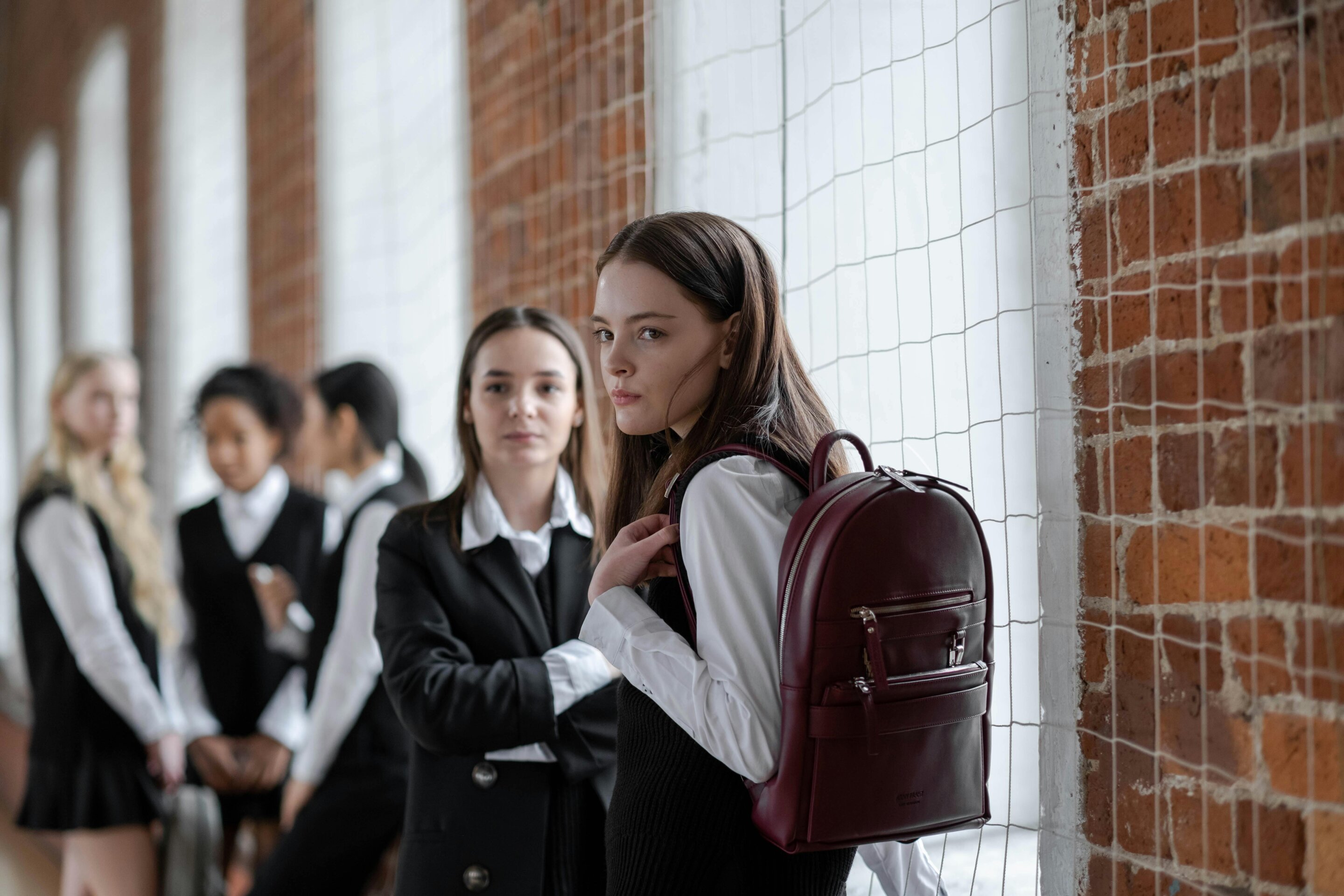
A discipline dispute at Geelong Grammar has put fresh attention on how schools respond when teenagers break serious rules. Researchers cited by Erin Leif in The Conversation say exclusion and prolonged isolation often do little to improve behavior and can make school disengagement more likely.
The Australian reported that parents criticized the Victorian private school after Year 9 students in a yearlong boarding program were disciplined for leaving at night and going to a nearby pub. Some students received five days of internal suspension, according to the report.
The Australian also reported that some students spent set periods alone during the day, including after morning tea, after lunch and after lessons, and then stayed alone in tents from 6:30 p.m. until the following morning. Geelong Grammar said in a statement that students must be trusted to remain in their units overnight and that breaches can affect community safety and well-being.
The school said its priority was to maintain an environment where students are safe, feel safe and act safely. The Australian later reported that the school sought “absolute discretion” from parents to impose discipline measures.
The case comes as The Age reported that suspensions in Victorian public schools rose to almost 30,000 last year, or about 150 students a day. Leif wrote in The Conversation that the figures and the Geelong Grammar dispute raise a broader question: whether common punishments teach students how to make better choices.
What research says about teenagers
Leif wrote that adolescent misbehavior is often blamed on defiance, poor judgment or parenting, but developmental research points to a more complex picture. The prefrontal cortex, which supports planning, self-control and assessment of consequences, continues maturing into the mid-20s, according to the research she cited.
At the same time, Leif wrote, teenage reward and emotion systems are highly active, making novelty, excitement and peer approval especially powerful. U.S. psychologist Laurence Steinberg has compared adolescent development to a high-powered car whose brakes are still being built, according to Leif.
Leif said boundary-testing is a normal part of early adolescence, as young people develop independence and identity. She argued that schools should focus on reducing serious harm and helping students learn from mistakes, rather than trying to remove all risk-taking.
Limits of suspension and isolation
Suspension may be needed in some cases to protect students or staff, Leif wrote, but evidence she cited suggests it should be used as a last resort. She said long periods of isolation are especially concerning because research offers little support for the idea that extended exclusion improves conduct.
According to Leif, prolonged exclusion can increase distress, weaken relationships with trusted adults and reduce chances for students to practice better responses. Research she cited also links suspension with repeat suspension, school disengagement and early exit from education.
Alternatives schools can use
Leif wrote that stronger long-term responses combine consequences with teaching and repair. In a case such as students leaving campus for a pub, she said schools could require students to understand risks, repair harm, rebuild trust and plan safer choices.
She also pointed to behavior education, including explicit instruction in emotional regulation, problem-solving, decision-making and relationship skills. In classrooms, Leif wrote, that can include modeling respectful disagreement, practicing responses to peer pressure and acknowledging students who seek help or resolve conflict safely.
Victorian schools using school-wide positive behavior support report stronger relationships, fewer suspensions and better learning environments, according to government material cited by Leif. She also wrote that families should have a meaningful role in discipline decisions, citing research that links family-school partnerships with better education, behavior and well-being outcomes.
The federal government says schools should involve parents as genuine partners, according to Leif. She added that, where appropriate, teenagers should help shape the plan because they are more likely to follow through with solutions they helped create.
This story draws on original reporting from Phys.org.