
Lab study finds sweeteners can alter gut bacteria growth
Cambridge researchers found many sweeteners affected gut bacteria in vitro, with some effects changing when mixed with drugs or additives.
By Priya Raghavan · Science Reporter
3 min read
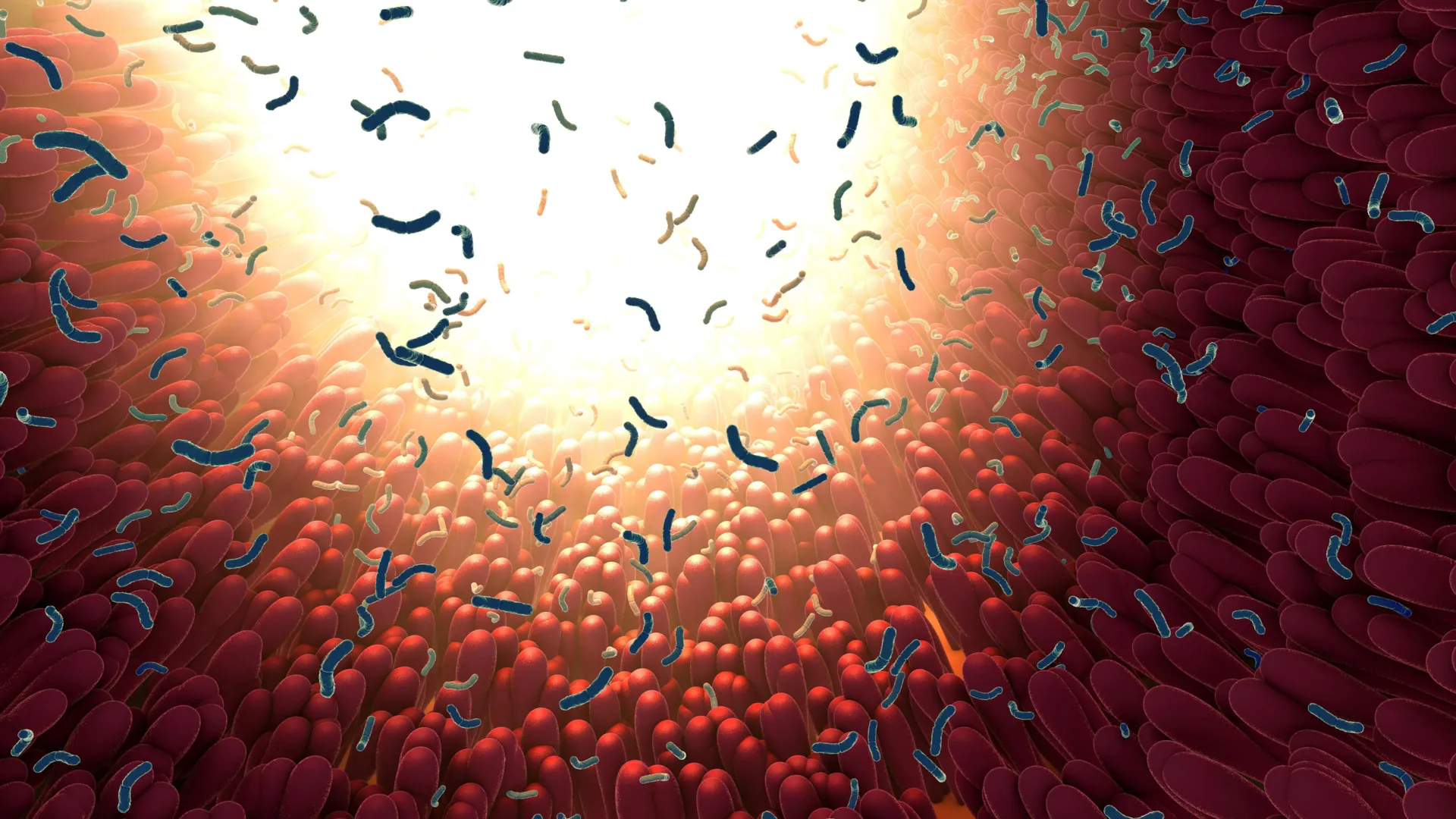
Common sweeteners changed the growth of gut bacteria in a large laboratory study led by University of Cambridge researchers. The findings matter because the team found that some effects shifted when sweeteners were combined with substances people may consume at the same time, including medicines, caffeine and flavorings.
The study, published in Molecular Systems Biology, tested 39 commercially used sweeteners against 25 bacterial species grown separately in the lab, according to the university. The researchers said the panel included bacteria regarded as beneficial, neutral or potentially harmful.
About three-quarters of the sweeteners affected the growth of at least one bacterial species, the Cambridge team reported. Several sweeteners slowed or stopped the growth of bacteria linked by researchers to a healthy digestive system.
Drug and food combinations changed results
The researchers also tested sweeteners alongside other compounds because people often consume them in drinks, snacks, desserts or medications, according to the university. The added substances included caffeine, vanillin, the artificial sweetener advantame and eight commonly used drugs.
The team identified more than 100 cases in which the presence of another compound changed a sweetener’s effect on bacteria, according to Cambridge. The university said 34 combinations made the effect stronger, while 68 made it weaker.
The strongest result involved isosteviol, a sweetener used by the food and beverage industry, combined with duloxetine, an antidepressant used to treat depression, anxiety and some chronic pain conditions, according to the university. The combination strongly reduced the growth of Roseburia intestinalis and Parabacteroides merdae, two gut bacterial species the researchers linked to digestive health, blood sugar regulation and immune function.
Cambridge said duloxetine is widely used, with more than 4.2 million patients in the United States receiving prescriptions for it in 2023.
Synthetic gut community showed lower diversity
To move beyond one-species tests, the researchers built a simplified microbial community containing all 25 bacterial species, according to the university. They then exposed that community to selected sweetener and drug combinations and tracked changes in abundance and variety.
The isosteviol-duloxetine pairing reduced microbial diversity in that synthetic community, the researchers reported. Cambridge said greater diversity is generally viewed as a sign of a more resilient gut microbiome, though the preferred mix of microbes can differ from person to person.
The same combination also shifted the balance of the community, with some species becoming more common and others declining, according to the study summary. Additional experiments suggested the changes increased toxicity toward some host cells and altered activity in cells involved in inflammation and immune responses, the university said.
The researchers cautioned that the work was done in controlled laboratory systems rather than in people. Cambridge said sweeteners may be absorbed, diluted, chemically changed or broken down inside the human digestive system before reaching specific gut microbes.
The university also said diet, genetics, medication use and a person’s existing microbiome could affect whether similar changes occur in real life. The researchers said human studies are needed to test whether the interactions occur at typical doses and whether they have measurable health effects.
The research was funded by the European Union’s Horizon 2020 program and the UK Medical Research Council, according to Cambridge.
This story draws on original reporting from ScienceDaily.