
Study says shootout order can swing penalty odds by 10 points
University of Queensland researchers say teams can gain a penalty-shootout edge by matching player order to pressure moments.
By Lucas Ferreira · Science & Environment Writer
3 min read
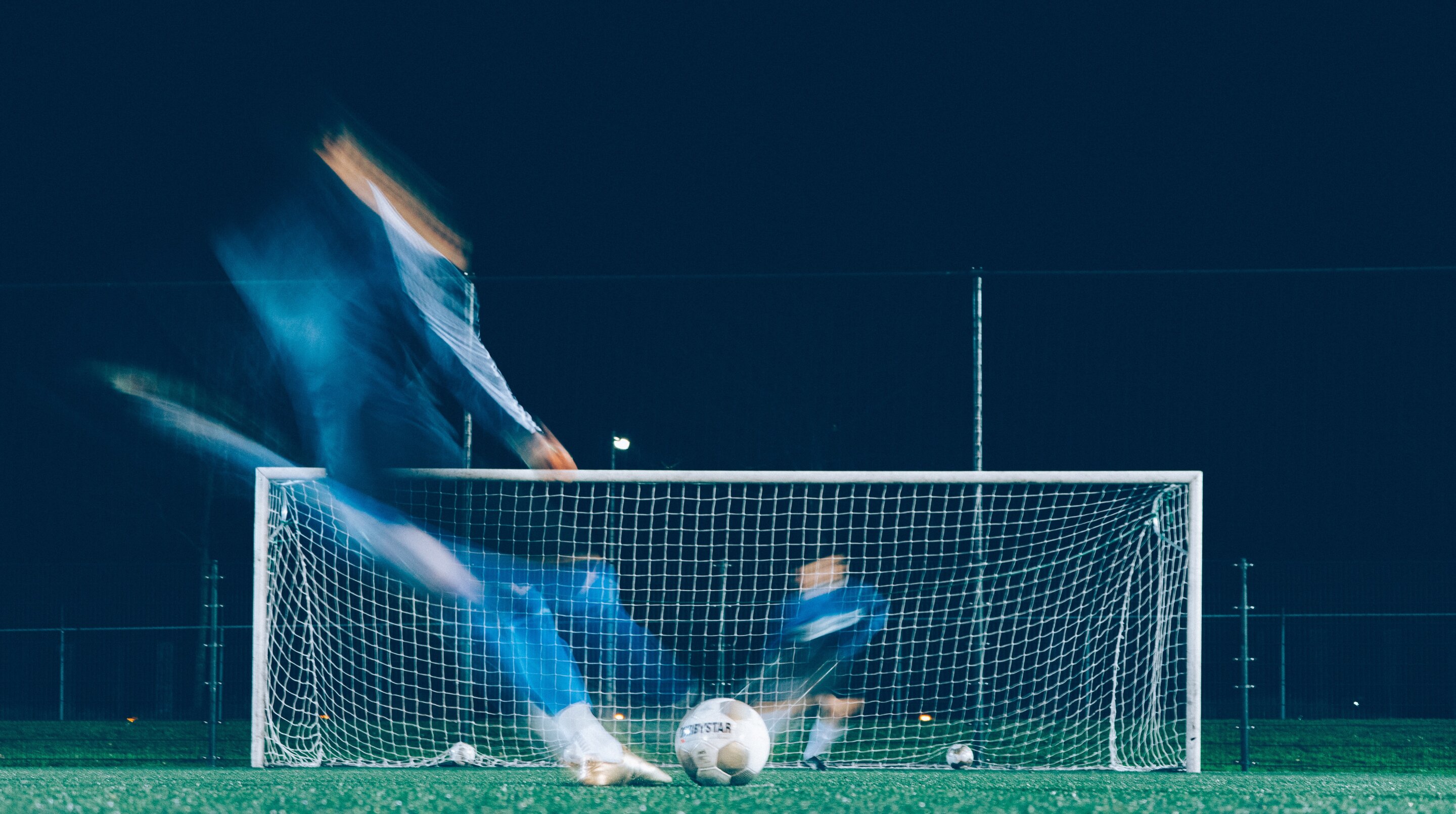
University of Queensland researchers say football teams can improve their chances in penalty shootouts by choosing not only the right takers, but the right order for them. With the World Cup entering its knockout stage this week, the study points to a practical edge for coaches preparing for matches that may be decided by one kick.
The research, published in Football Studies, examined hundreds of penalties from elite international football and used mathematical simulations to test millions of shootout situations, according to the university. The researchers said their findings challenge the common view that the team taking the first kick holds a broad built-in advantage.
Professor Robbie Wilson, from UQ's School of the Environment, said the order of kicks matters because it changes the pressure each player faces. According to Wilson, taking the first kick does not make players more accurate, but the alternating format can leave the second team facing more moments where a miss ends the match.
The study found that teams kicking second were more likely to take what the researchers called avoid-loss penalties, where failure means immediate elimination. The same teams were also more likely to get chances to win the shootout with a successful kick, the researchers said.
Performance changed sharply across those situations, according to the study. In elite international football, about 60% of penalties were scored when a miss would immediately knock a team out, compared with nearly 90% when a successful kick would win the shootout, the researchers said.
Wilson said the findings suggest the second team faces more high-stakes moments in both directions: shots to stay alive and shots to finish the contest. The researchers said that pressure pattern, rather than a simple first-kicker advantage, helps explain why shootout outcomes can shift.
The study also found that the sequence of takers can move a team's winning chance by more than 10 percentage points. According to the researchers, teams that used their strongest penalty takers earlier generally did better than teams that held them back for later rounds.
The researchers said the advice changes if a team takes the second kick and its best penalty takers are also the players most able to cope with pressure. In that case, Wilson said, the model suggests placing those players in the fourth and fifth spots, where the most decisive shots are more likely to occur.
For teams kicking first, Wilson said the results point to a more direct approach: arrange takers from strongest to weakest. For teams kicking second, he said, coaches should account for both technical skill and psychological resilience before setting the order.
Wilson said managers can affect shootout results through selection and ordering, but only if they understand players' abilities accurately. He said those abilities include technical factors, such as the trade-off between power and accuracy, as well as how players respond under stress.
According to Wilson, many teams still rely heavily on intuition because large datasets are needed to identify those traits systematically. The researchers said better data, modeling and planning could give national teams a competitive advantage in shootouts.
This story draws on original reporting from Phys.org.