
Study finds vehicle emissions gaps in Climate TRACE city data
Northern Arizona University researchers say Climate TRACE undercounts vehicle CO2 in 260 U.S. cities, raising concerns about data used in climate policy.
By Priya Raghavan · Science Reporter
3 min read
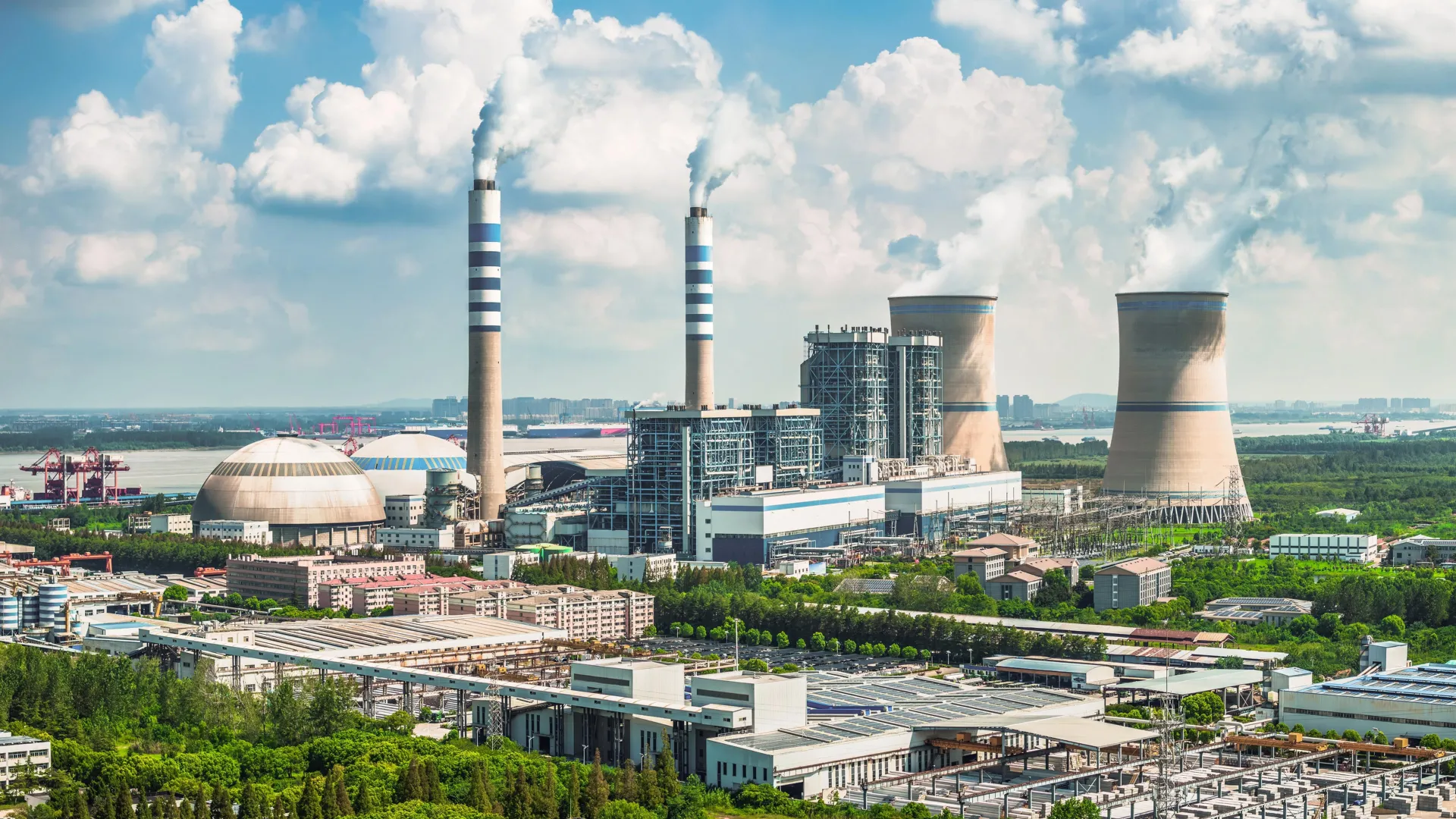
Northern Arizona University researchers say a global emissions database from Climate TRACE is undercounting carbon dioxide from cars and trucks in U.S. cities. The finding matters because greenhouse gas inventories are used to shape climate policy, track progress and decide where cuts are needed.
The study, published in Environmental Research Letters, examined vehicle emissions estimates in Climate TRACE, a database developed by a consortium co-founded by former Vice President Al Gore. Kevin Gurney, a professor in NAU’s School of Informatics, Computing, and Cyber Systems, led the research with Bilal Aslam and Pawlok Dass.
NAU said the researchers found Climate TRACE’s urban vehicle CO2 figures were 70% lower on average than estimates from another database across 260 U.S. cities. In some cities, including Indianapolis and Nashville, the Climate TRACE estimates were more than 90% lower, according to the research team.
How the databases were compared
Gurney’s team compared Climate TRACE data with the Vulcan onroad emissions database, which was developed in Gurney’s laboratory. NAU said Vulcan is calibrated with official traffic records and energy consumption data, giving the researchers an independent benchmark for vehicle emissions.
Aslam, a postdoctoral researcher at NAU and co-investigator on the paper, said Vulcan’s onroad estimates have an uncertainty of about 14%. The researchers said that uncertainty is much smaller than the gap they found between Vulcan and Climate TRACE for city vehicle emissions.
The paper focuses on carbon dioxide from cars and trucks. Gurney said the results, combined with an earlier study that found related problems in Climate TRACE estimates for power plants, suggest the database may understate a large share of fossil-fuel CO2 emissions in U.S. cities.
AI methods draw scrutiny
NAU said Climate TRACE uses newer artificial intelligence-based methods to estimate emissions. The researchers said AI has strong potential for monitoring environmental conditions and estimating pollution, but they argued that emissions databases still need transparency, expert review and strict scientific standards.
The authors also said the undercounting they identified may not be limited to the United States. They raised the possibility that similar issues could appear in Climate TRACE data elsewhere, though the study described in the journal focused on 260 U.S. cities.
The paper includes recommendations intended to improve Climate TRACE’s work, according to NAU. The researchers said better emissions data can help policymakers and budget planners make sounder decisions about greenhouse gas reductions.
Gurney has worked for more than two decades on standardized greenhouse gas measurement methods, according to NAU. His Vulcan and Hestia projects, supported by multiple federal agencies, estimate and display emissions across the United States, including from power plants, roads and neighborhoods.
NAU said Gurney’s emissions estimates have shown strong agreement with direct atmospheric monitoring measurements. The university also said he has contributed to a recent U.S. National Academy report on greenhouse gas emissions for decision-making, participated in United Nations climate processes for more than 25 years and serves as a lead author for the Intergovernmental Panel on Climate Change.
This story draws on original reporting from ScienceDaily.